Other Pets · Feeding & Hydration
Water Bowl vs Bottle for Rabbits: Which Setup Is Easier to Monitor?
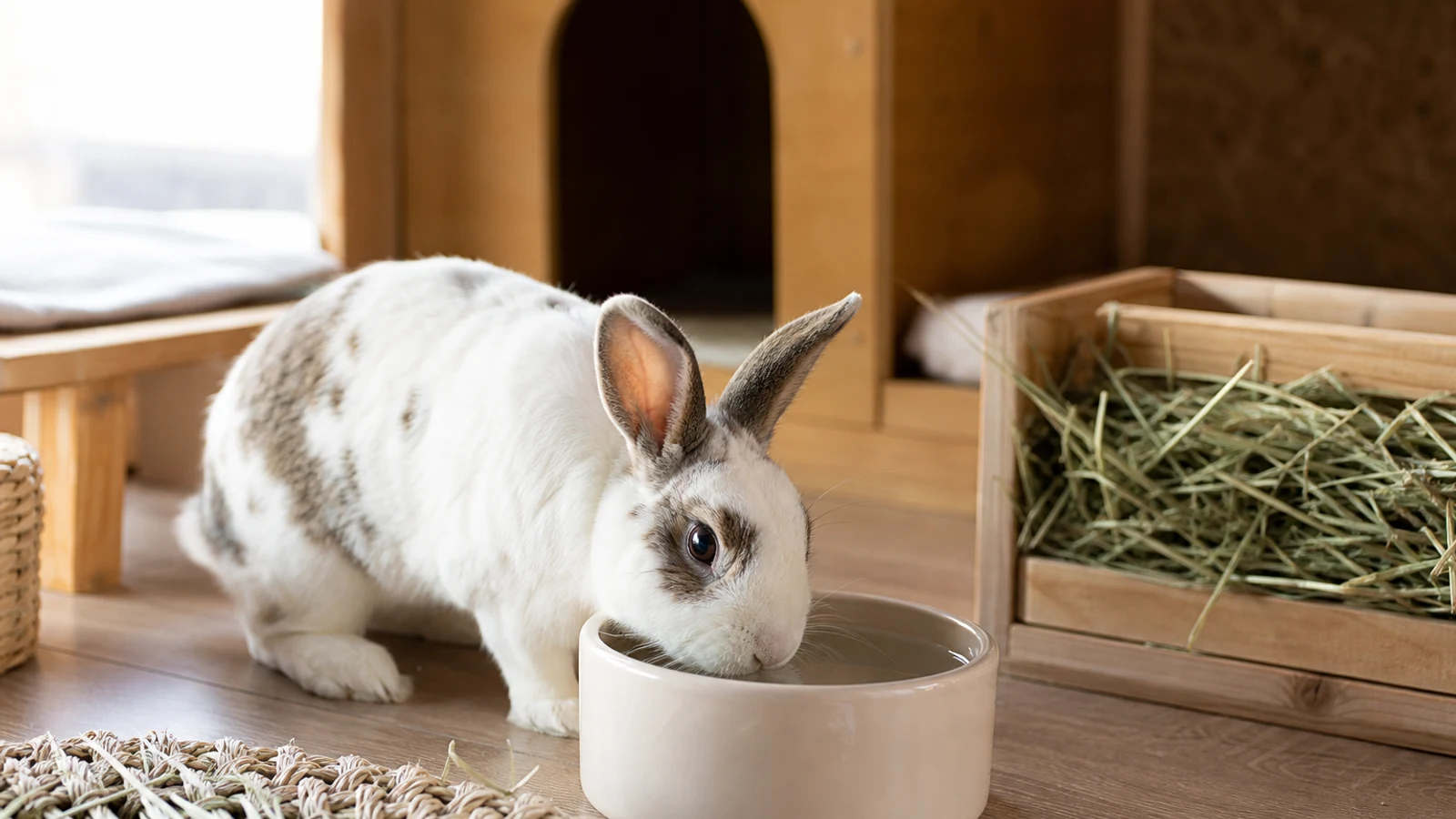
For many rabbits, a heavy water bowl is easier to drink from and may encourage greater water intake. A bottle can be cleaner in messy enclosures or useful for rabbits that develop wet chins. The easiest setup to monitor is usually the one your rabbit reliably uses, checked at least twice daily, with a backup during transitions.
Quick answer
A heavy, stable water bowl is often the better primary choice for rabbits because it supports natural lapping and may encourage greater water intake. A bottle can be easier to keep clean in some habitats and may suit rabbits that tip bowls, soil them, or develop a persistently wet chin. If you are unsure, offer both temporarily, confirm which one your rabbit uses, and never remove the familiar water source until drinking from the new setup is established.
Shop this guide
Current Amazon options
Six current listings related to this buying decision. Use the guide to compare fit and trade-offs, then verify the latest seller, price, size, and availability on Amazon.
As an Amazon Associate I earn from qualifying purchases. Product availability, seller, price, and listing details can change.
Key decision checks
Start with the rabbit and the monitoring job
The product must do two jobs: provide uninterrupted access to clean water and let you notice changes in drinking, contamination, or equipment failure. For most indoor rabbits, a heavy bowl is straightforward to inspect because you can see the water surface, debris, and remaining level at a glance. It also lets the rabbit drink by lapping from an open surface, which welfare and veterinary sources commonly describe as a natural or preferred method.
A bottle may suit a rabbit that tips dishes, digs bedding into them, or repeatedly soils its water. It can reduce some enclosure mess, but the visible water level does not prove that the nozzle is working. The practical winner is therefore not universal: choose the format your rabbit uses comfortably and check that water is actually flowing or available at least twice daily.
- Prioritize reliable access over convenience or appearance.
- Keep water away from litter areas, hay dust, bedding, and direct heat.
- Treat a change in drinking as useful health information, not just a product issue.
Bowl vs bottle: the practical difference
A bowl gives the rabbit a broad drinking surface and generally requires less effort to use. Research summarized by Merck Veterinary Manual and government welfare guidance indicates that rabbits may drink more when water is offered in a bowl rather than only through a cage bottle. That does not mean every rabbit will prefer one; some individuals are already accustomed to bottles or become messy when drinking from an open dish.
A bottle uses a small metal-tipped nozzle and keeps the water container off the floor. This can be helpful in a pen where a bowl is routinely overturned or filled with litter. The trade-off is hidden failure: a blocked nozzle, air lock, leak, frozen tube, or poor mounting position can leave a rabbit without water even when the bottle appears full.
- Choose a bowl when natural access, visible cleanliness, and easy level checks matter most.
- Choose a bottle when spill prevention and separation from bedding are the bigger household problem.
- Do not switch suddenly if the rabbit has only learned one drinking method.
When a water bowl is the easier setup
A bowl is usually easiest to monitor in a clean indoor enclosure with a rabbit that leaves the container upright. You can compare the water level from morning to evening, spot hay or droppings quickly, and refill it without troubleshooting a valve. Select a heavy, flat-bottomed dish that is difficult to push or flip, and place it on a hard, stable surface rather than loose bedding.
The main maintenance burden is exposure. Rabbits can drag hay into the water, kick in litter, or create a wet area around the dish. Replace visibly dirty water promptly and wash the bowl regularly. If the rabbit’s chin or dewlap stays wet after drinking, ask a rabbit-experienced veterinarian to assess the cause rather than assuming the bowl alone is responsible.
- Look for a low center of gravity and enough weight to resist nudging.
- Check for wet bedding, food debris, droppings, and fur several times daily.
- Use a second water source during travel, enclosure changes, or bowl-training.
When a bottle is the easier setup
A bottle can be the more practical choice for rabbits that consistently overturn bowls, foul them with bedding, or live in an enclosure where floor-level water becomes contaminated quickly. It also may help a rabbit with recurring moisture around the chin, although persistent wetness can have medical or dental causes and deserves veterinary attention. The bottle should be mounted at a comfortable height with the metal tip accessible without excessive neck extension.
Bottle monitoring requires more than reading the reservoir. Touch or test the nozzle according to the manufacturer’s instructions, look for leaks, and confirm that water flows freely. Clean the bottle and drinking tip regularly, because slime, debris, and buildup can affect hygiene or flow. In cold environments, check for freezing; in any environment, keep a backup water source available if failure would leave the rabbit unserved.
- Verify the nozzle works, not merely that the bottle contains water.
- Check mounting height, leaks, air blocks, chewing damage, and frozen water.
- Use a bottle only if the rabbit already drinks from it or has been transitioned successfully.
Compare options for your pet
Water Bowl vs Bottle for Rabbits: Which Setup Is Easier to Monitor?
Compare current Amazon listings using the fit and safety checks in this guide. Confirm size, specifications, seller and availability before ordering.
See on Amazon →As an Amazon Associate I earn from qualifying purchases. Links open Amazon search results; individual listings have not been independently verified.
The easiest way to compare and monitor both
Offering both a bowl and a bottle can be useful during a transition or when you are still learning the rabbit’s preference. Keep both filled with fresh water, position them where the rabbit can reach them easily, and observe which source is used. Do not remove the familiar source until the rabbit is clearly drinking from the replacement; an unfamiliar presentation can lead some rabbits to refuse water.
For ongoing monitoring, establish a simple routine rather than relying on memory. Refill or replace water at consistent times, record unusual changes, and inspect the container before assuming the rabbit drank less. A bowl level can be misleading if water was spilled, while a bottle level can be misleading if the nozzle is blocked. Measuring exact intake is usually unnecessary for routine care unless a veterinarian recommends it.
- Morning and evening: confirm water is present, clean, reachable, and usable.
- After cleaning: check that the rabbit resumes normal drinking from the chosen setup.
- During a transition: keep both options available until preference and intake are clear.
- For multiple rabbits: provide enough access to prevent one rabbit from blocking another.
Fit the setup to the enclosure and rabbit
The best container is partly determined by the household. A free-roaming indoor rabbit may do well with a heavy ceramic or similarly stable bowl placed on a washable floor. A rabbit that digs aggressively, lives around loose litter, or repeatedly knocks over dishes may need a secured bowl, a bottle, or both. For outdoor or temperature-exposed housing, freezing and contamination become more important than whether the container looks tidy.
Diet and weather also affect drinking patterns. Rabbits eating more fresh greens or grass may drink less than rabbits eating mostly hay, while heat, illness, activity, and other changes can alter intake. Avoid judging hydration from one refill or comparing one rabbit with another. The useful baseline is your own rabbit’s normal behavior, water use, appetite, urine, and droppings.
- Indoor, tidy pen: start with a heavy bowl if the rabbit accepts it.
- Messy or spill-prone pen: use a secured bowl, bottle, or backup combination.
- Outdoor or cold setting: inspect for freezing and protect access to an unfrozen source.
- New rabbit: ask what drinking method it already knows before changing equipment.
A practical recommendation for most homes
For a healthy rabbit that reliably uses an open dish, start with a heavy, stable bowl and inspect it at least twice daily. This is often the simplest setup to observe and may support greater water intake. Keep a bottle available if the rabbit has a history of using one, if the bowl is frequently overturned, or if a second source would reduce the risk of interruption during cleaning or travel.
For a rabbit that only uses a bottle, do not force a rapid change. Offer a stable bowl alongside the bottle, watch for actual use, and keep the bottle functioning until the transition is complete. Contact a veterinarian promptly if drinking suddenly increases or decreases, the rabbit stops eating, produces fewer droppings, seems lethargic, or cannot keep water down; these signs are not problems a different container should be expected to solve.
- Primary choice for many rabbits: heavy bowl, if it stays clean and upright.
- Useful backup: a correctly functioning bottle or second bowl during transitions.
- Best overall rule: the rabbit must reliably drink enough from a clean, accessible source.
Common questions
FAQ
Can rabbits have both a bowl and a bottle?
Yes. Offering both can help during a transition, accommodate individual preference, and provide backup if one source is spilled or stops working. Keep both clean and monitor which one the rabbit actually uses rather than assuming access equals drinking.
Do rabbits drink more from bowls than bottles?
Some research and welfare guidance indicate that rabbits may drink more from an open bowl than from a cage bottle, but individual preference matters. A rabbit that refuses a bowl or has only learned to use a bottle still needs the familiar option while you introduce alternatives gradually.
What type of bowl is safest for a rabbit?
Choose a heavy, stable, non-tip bowl with a broad base and a surface that is easy to wash. Place it away from litter and loose bedding. The specific material matters less than stability, cleanliness, and whether the rabbit can drink without getting its chin persistently wet.
How often should rabbit water be checked?
Check it at least twice daily and more often if the bowl becomes dirty, the enclosure is hot, or the rabbit tends to spill water. Bottles need an additional flow check because a full reservoir can still have a blocked nozzle or air lock.
Should I switch my rabbit from a bottle to a bowl?
Not automatically. A bowl may encourage more natural drinking, but the change should be gradual. Offer the bowl alongside the familiar bottle, observe actual drinking, and keep the bottle available until the rabbit consistently uses the bowl.
Is a wet chin after drinking normal?
A briefly damp chin may occur, but persistent wetness, staining, drooling, skin irritation, or difficulty eating can indicate a dental or other health problem. Have a rabbit-experienced veterinarian assess ongoing symptoms instead of solving the issue only by changing containers.
Sources & further reading
Where the factual guidance comes from
Ready to choose?
Water Bowl vs Bottle for Rabbits: Which Setup Is Easier to Monitor?
Compare current Amazon listings using the fit and safety checks in this guide. Confirm size, specifications, seller and availability before ordering.
See on Amazon →As an Amazon Associate I earn from qualifying purchases. Links open Amazon search results; individual listings have not been independently verified.
Keep researching