Shop by pet
Thoughtful product choices for small animals and more.
Species-aware buying research for rabbits, birds, reptiles, aquatics, and other companion animals—expanded only where we can publish useful, responsible guidance.
Common shopping needs
Start with the job the product needs to do.
A better product decision starts with the animal, the household, and the specific problem you are trying to solve.
Our approach
Useful before persuasive.
We separate documented specifications from editorial judgment, avoid invented hands-on claims, and make trade-offs visible instead of forcing every comparison into a universal winner.
Shop other pets
Current Amazon options for other pets households
A small set of live product listings connected to the shopping needs covered on this page. Use the guides below to understand the trade-offs before choosing a specific product.
As an Amazon Associate I earn from qualifying purchases. Product availability, seller, price, and listing details can change.
Latest for other pets
Buying guides and comparisons
Other Pets
Rabbits & Small Mammals
Cleanup
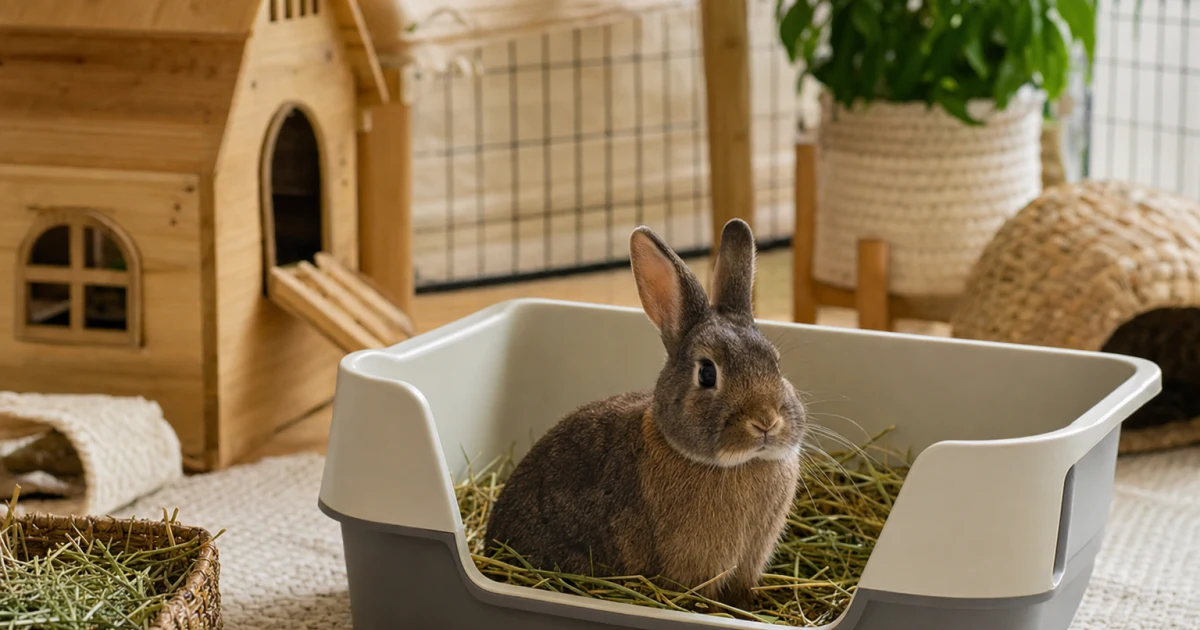
Rabbit Litter Boxes: What to Check Before You Buy?
The best rabbit litter box is usually a roomy, open, stable tray that your rabbit can enter easily, sit in comfortably, and use without being exposed to unsafe litter. Check the box size, entry height, material, placement, and cleaning routine before buying.
Feeding
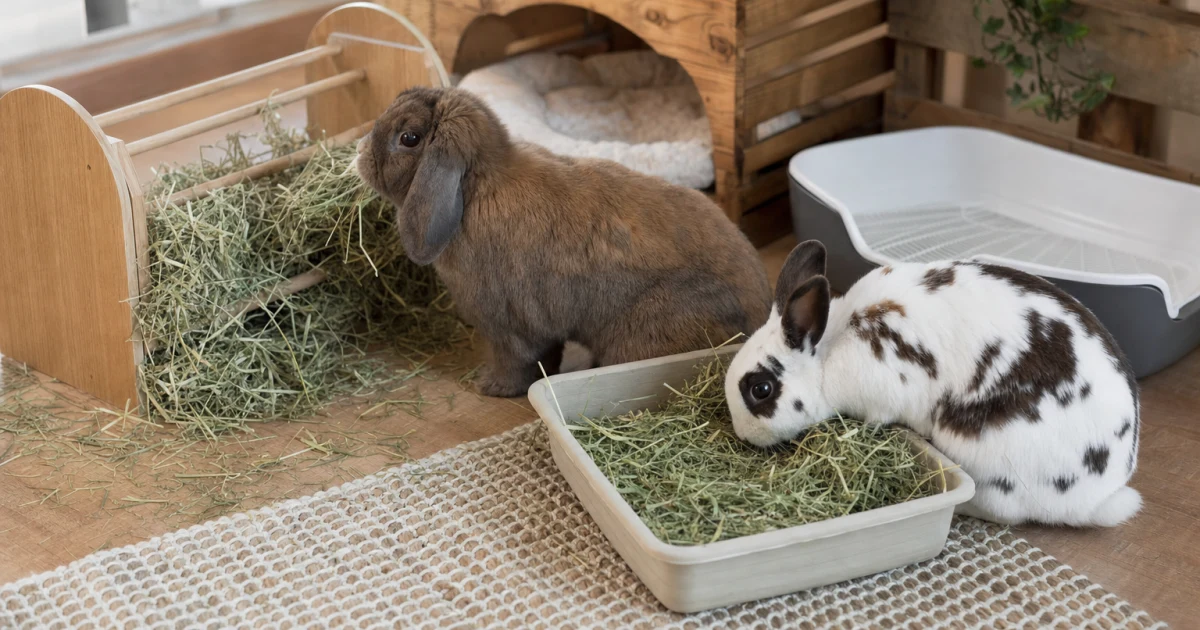
Hay Feeder vs Loose Hay for Rabbits: Which Setup Is Easier to Manage?
A hay feeder can reduce mess, but loose hay is often easier for rabbits to reach and forage through. For many homes, the most manageable setup combines a stable feeder with a small, fresh loose-hay station.
Travel
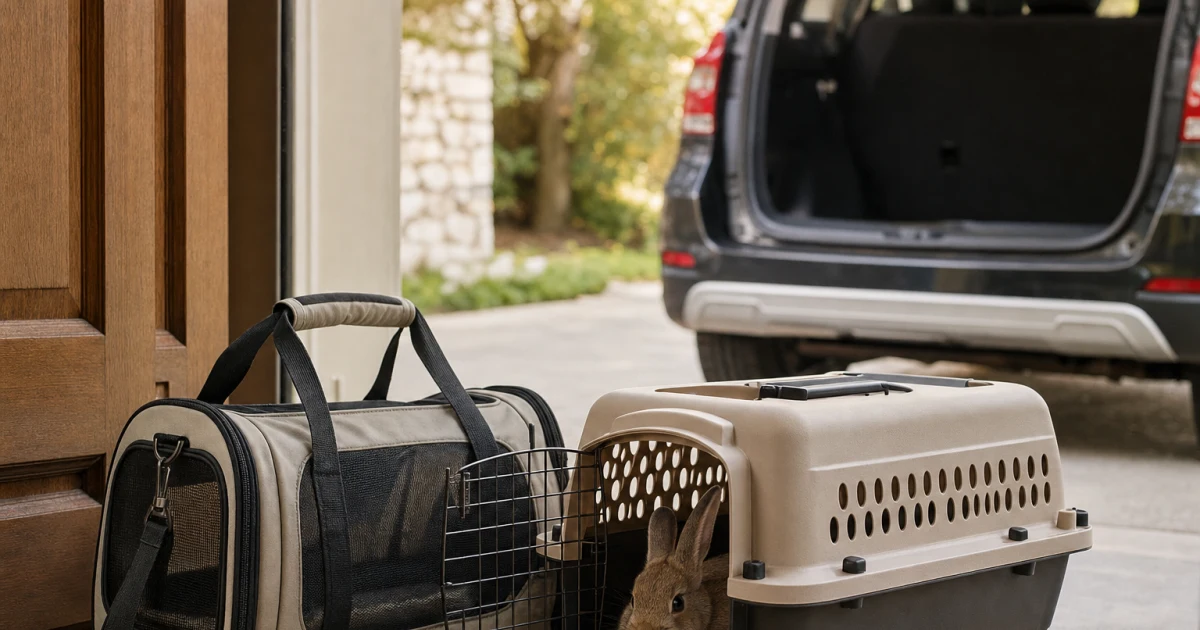
Hard vs Soft Carrier for Small Pets: Which Fits the Trip?
Hard carriers usually provide stronger containment, easier cleaning, and better resistance to chewing. Soft carriers can be lighter and easier to carry, but they require careful checks for ventilation, escape points, moisture, and airline fit.
Play & Enrichment
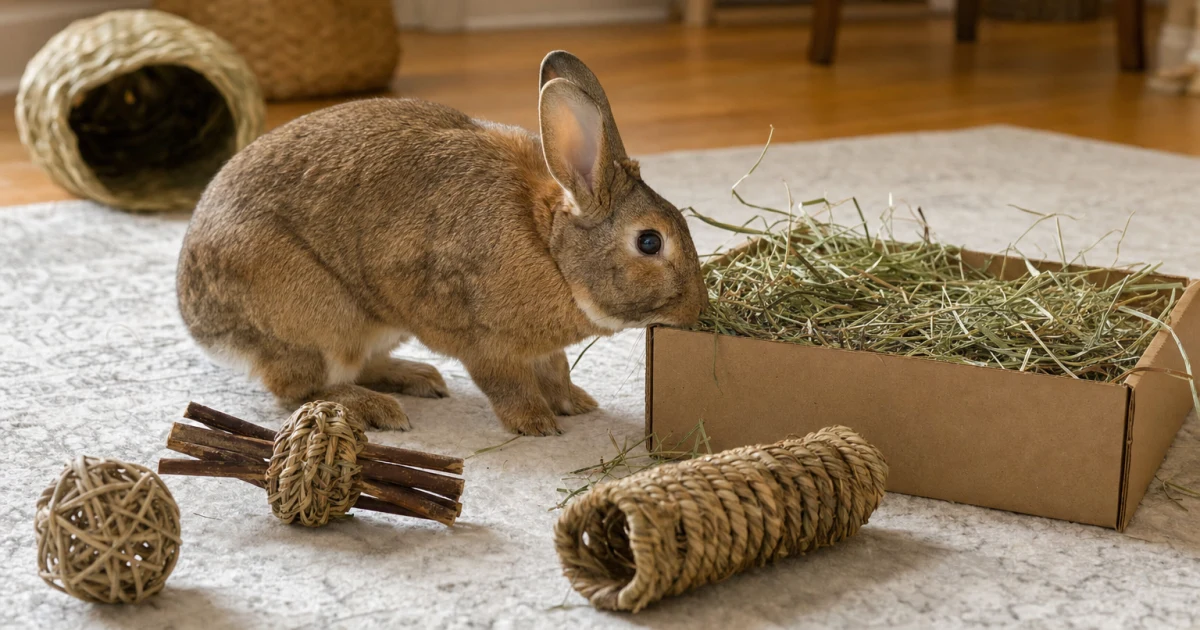
Chew Toys vs Foraging Toys for Rabbits: Which Job Does Each One Do?
Rabbit chew toys redirect a natural need to gnaw, while foraging toys make rabbits search, manipulate, or work for food. Learn when each type is useful, what materials to look for, and why neither replaces hay or veterinary dental care.

Home & Safety
Small-Pet Playpen vs Room Gate: Which Setup Fits Safe Exercise Time?
A playpen offers more predictable containment, while a room gate can provide more usable exercise space. The better choice depends on your pet’s escape skills, chewing habits, species, and how thoroughly the room is prepared.
Beds & Comfort
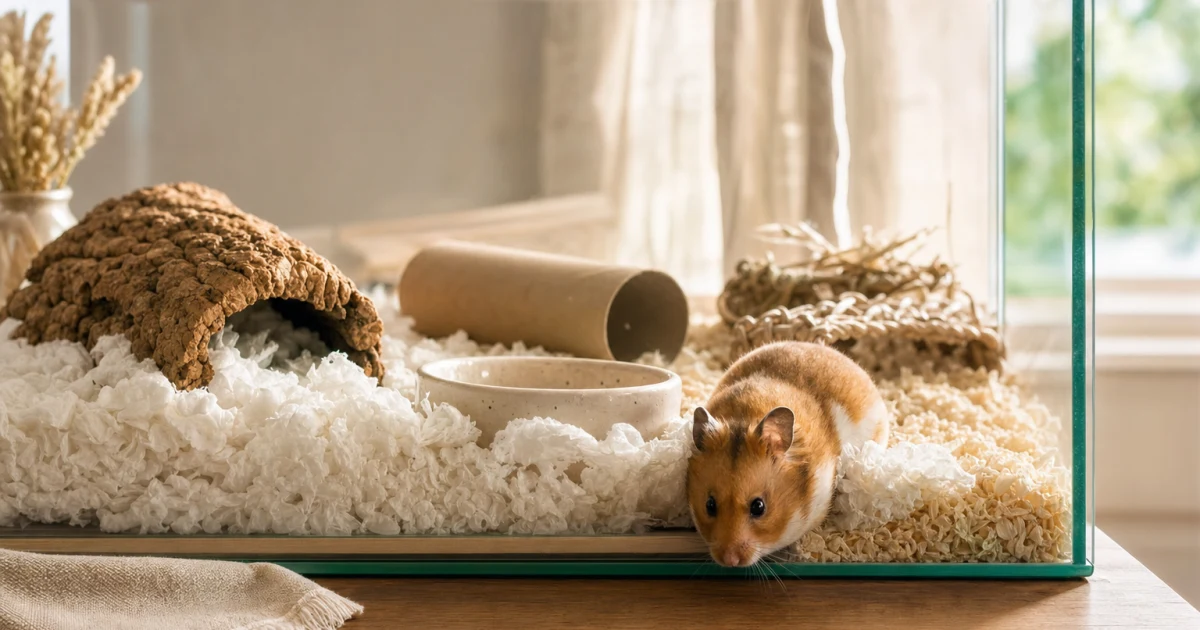
Paper vs Aspen Bedding for Small Pets: Which Trade-Offs Matter?
Paper is often the more forgiving default, while low-dust aspen can offer useful structure and a natural wood texture. The better choice depends on species, respiratory sensitivity, burrowing needs, enclosure ventilation, and how reliably the bedding stays dry and clean.
Feeding & Hydration
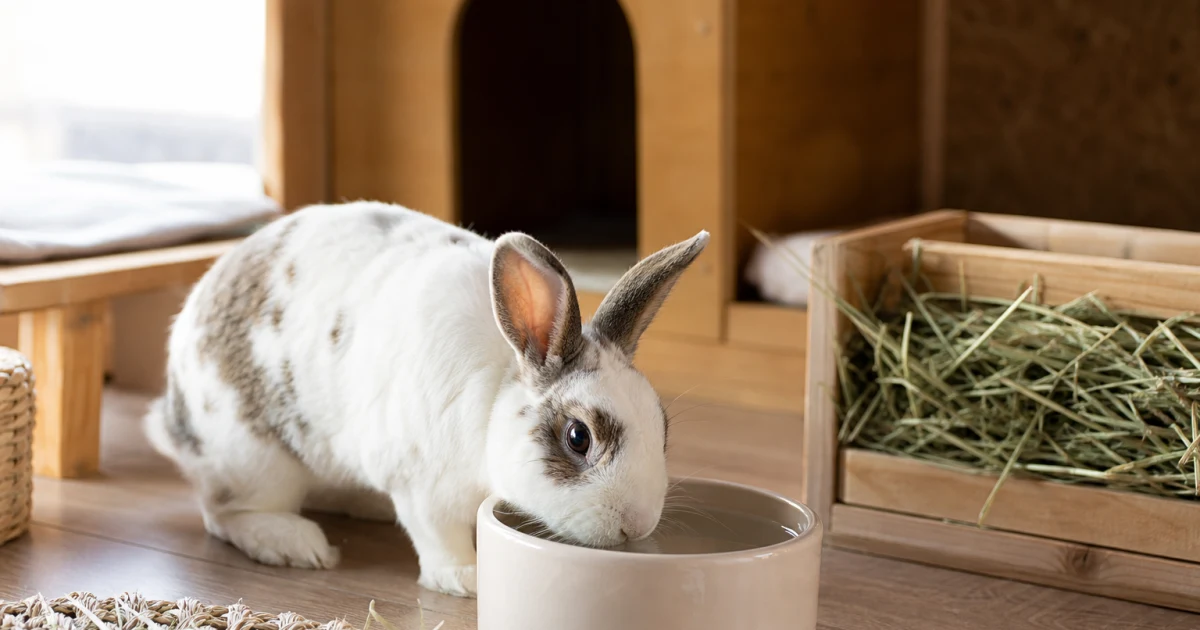
Water Bowl vs Bottle for Rabbits: Which Setup Is Easier to Monitor?
For many rabbits, a heavy water bowl is easier to drink from and may encourage greater water intake. A bottle can be cleaner in messy enclosures or useful for rabbits that develop wet chins. The easiest setup to monitor is usually the one your rabbit reliably uses, checked at least twice daily, with a backup during transitions.

Home & Safety
Metal vs Fabric Rabbit Playpen: Which Fits Indoor Use Better?
For most indoor rabbits, a sturdy metal exercise pen is the safer primary enclosure because it resists chewing, provides ventilation, and supports useful access doors and modular layouts. A fabric playpen can be convenient for supervised travel or short sessions, but it demands closer inspection for chewing, climbing, trapped limbs, and escape risk.
Cleanup
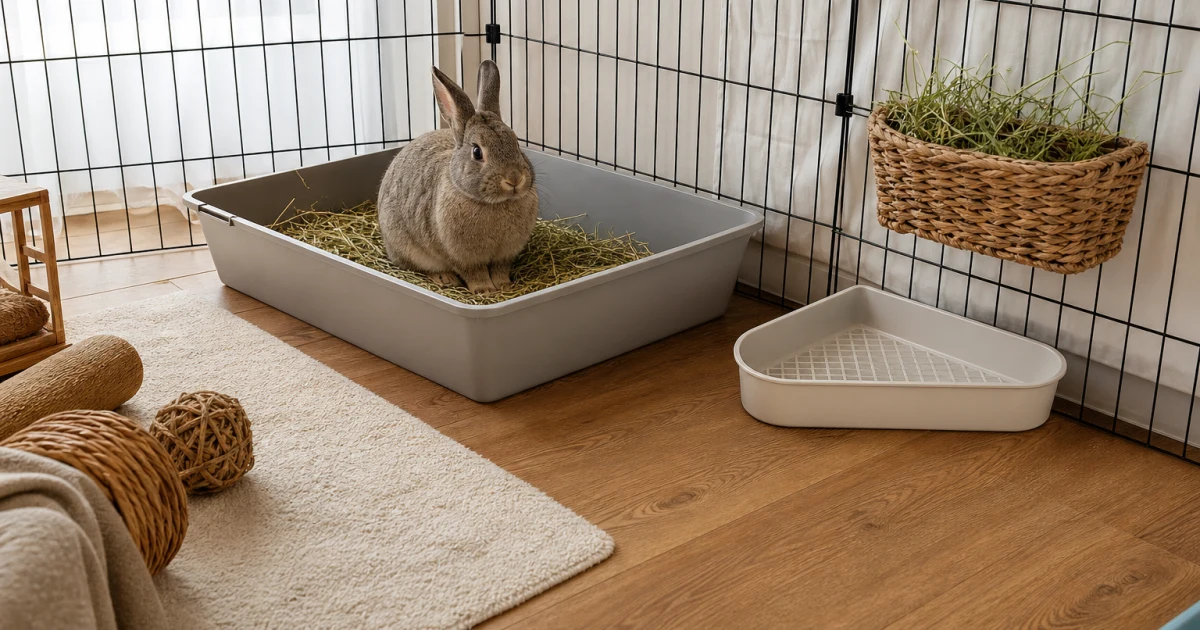
Corner vs Rectangular Rabbit Litter Pan: Which Fits the Enclosure Better?
A corner pan can preserve floor space, but a large rectangular pan is usually easier for a rabbit to use comfortably. Choose by usable interior space and access first, then by shape.
Feeding
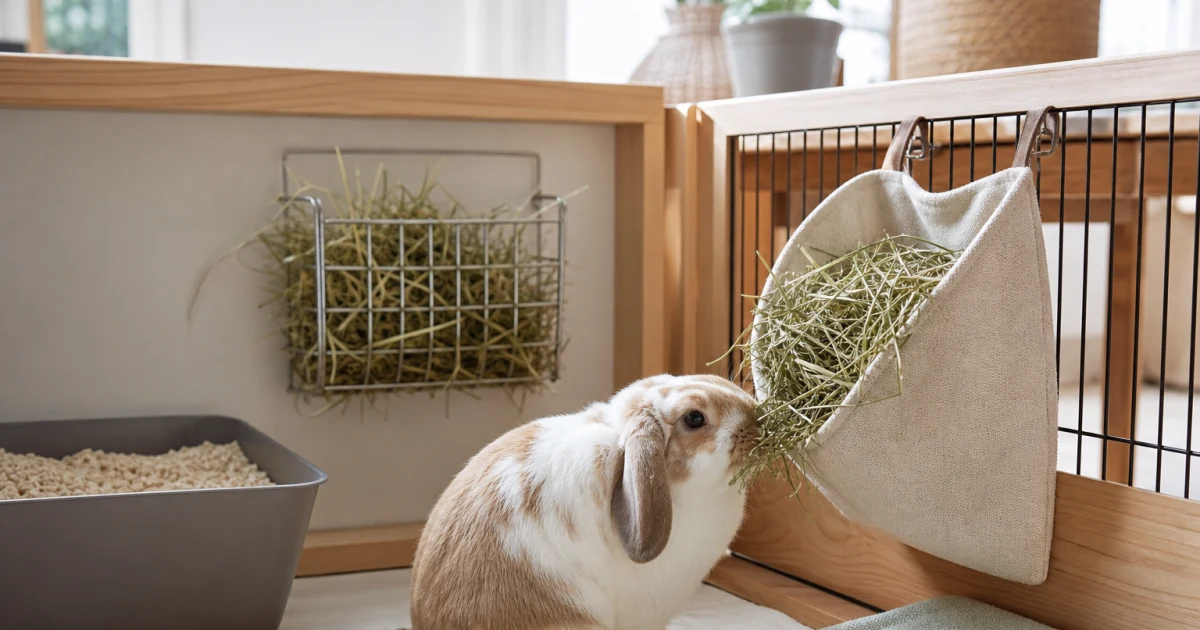
Fabric Hay Bag vs Metal Hay Rack for Rabbits: Which Is Easier to Manage?
A fabric hay bag is often easier to remove and wash, while a metal hay rack is usually easier to inspect and less vulnerable to chewing. The better choice depends on your rabbit’s habits, enclosure, and cleaning routine.
Beds & Comfort
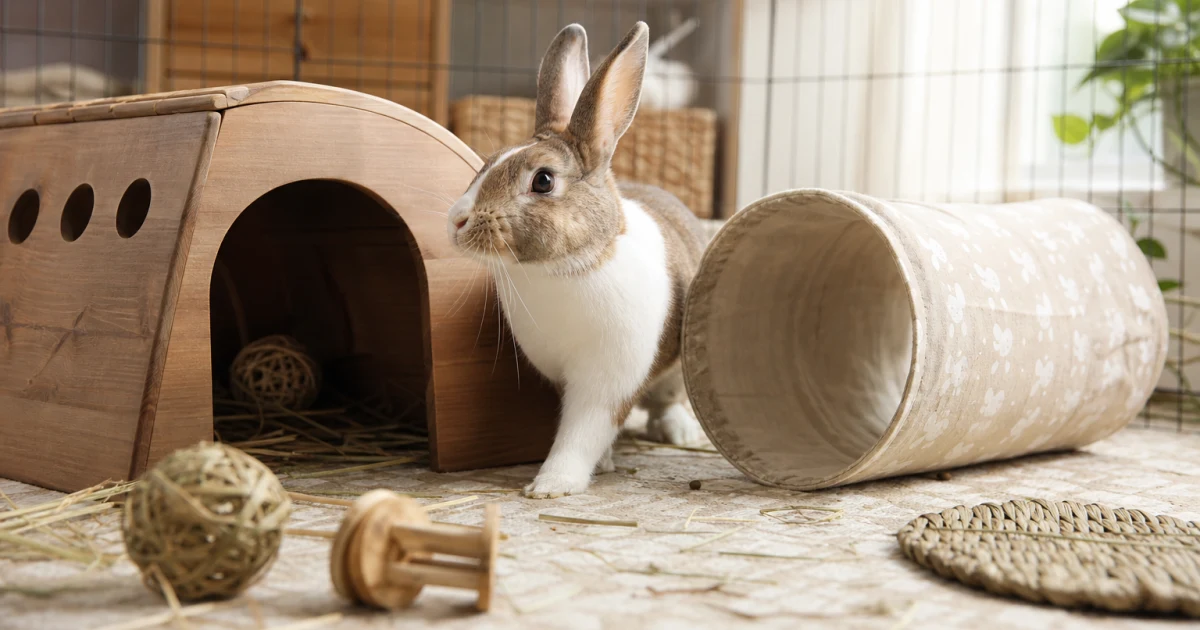
Wood vs Fabric Hideout for Rabbits: Which Fits Daily Use Better?
Wooden hideouts usually work better as a durable daily shelter, while fabric tunnels can add flexible enrichment when your rabbit does not chew or ingest the material. The best choice depends on chewing habits, cleaning needs, ventilation, rabbit size, and whether the hideout has more than one exit.
Beds & Comfort
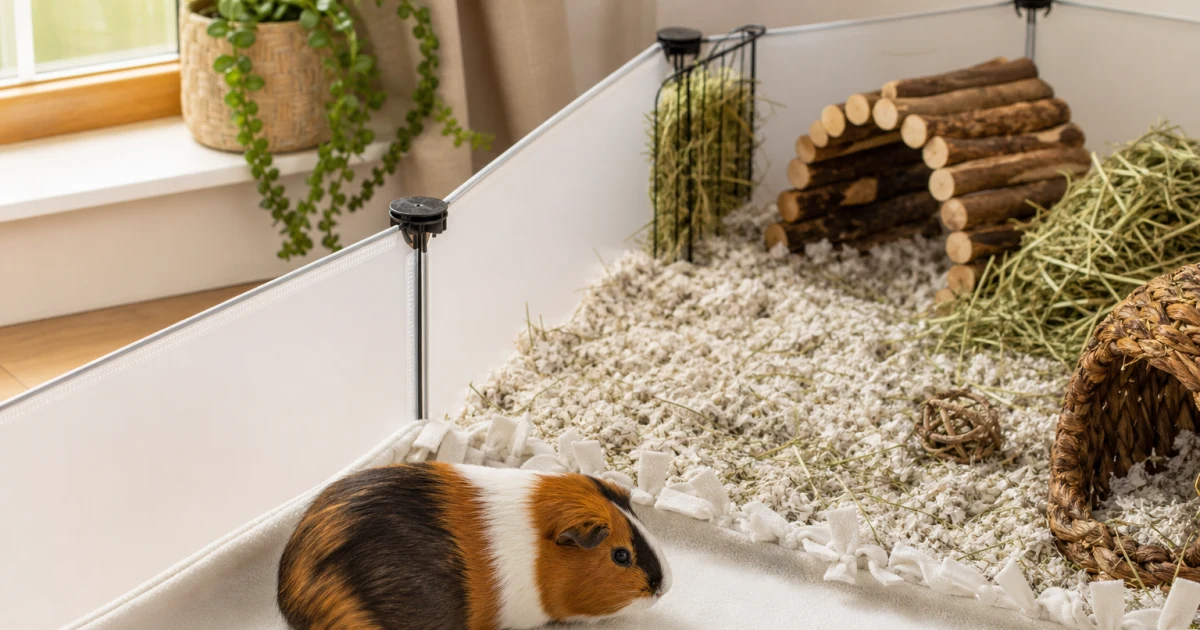
Fleece vs Paper Bedding for Guinea Pigs: Which Trade-Offs Matter?
Fleece and paper can both work for guinea pigs, but they shift the daily workload in different directions. Paper is simpler to replace; fleece can reduce disposable waste but requires a properly absorbent layer, laundry, and careful monitoring for dampness or chewing.

Feeding
Hay Rack vs Loose Hay for Guinea Pigs: Which Is Easier to Maintain?
Loose hay is usually the simpler and more natural default for guinea pigs, but a carefully designed open holder can help some households manage soiling and cleanup. The safest choice depends on access, construction, and how closely you monitor the enclosure.
Play & Enrichment
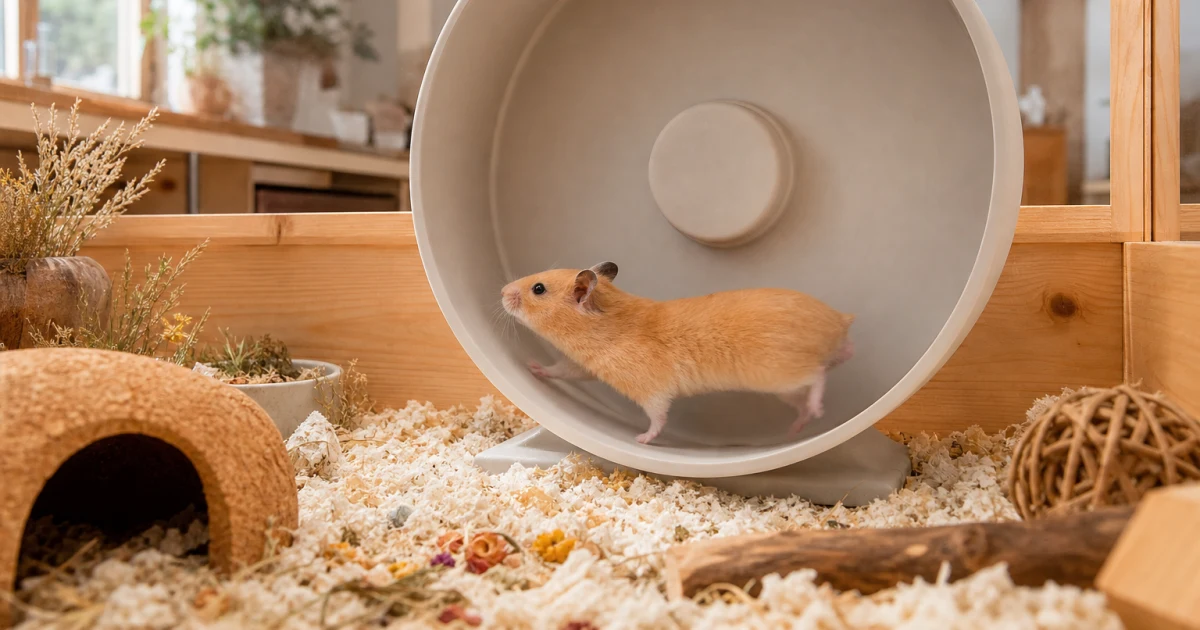
Solid-Surface vs Wire Hamster Wheel: What Should You Look For?
For most hamsters, choose a large upright wheel with a continuous, non-slip running surface rather than wire, bars, or open mesh. The right diameter matters just as much as the surface: your hamster should run with a level back and without lifting its head.
Beds & Comfort
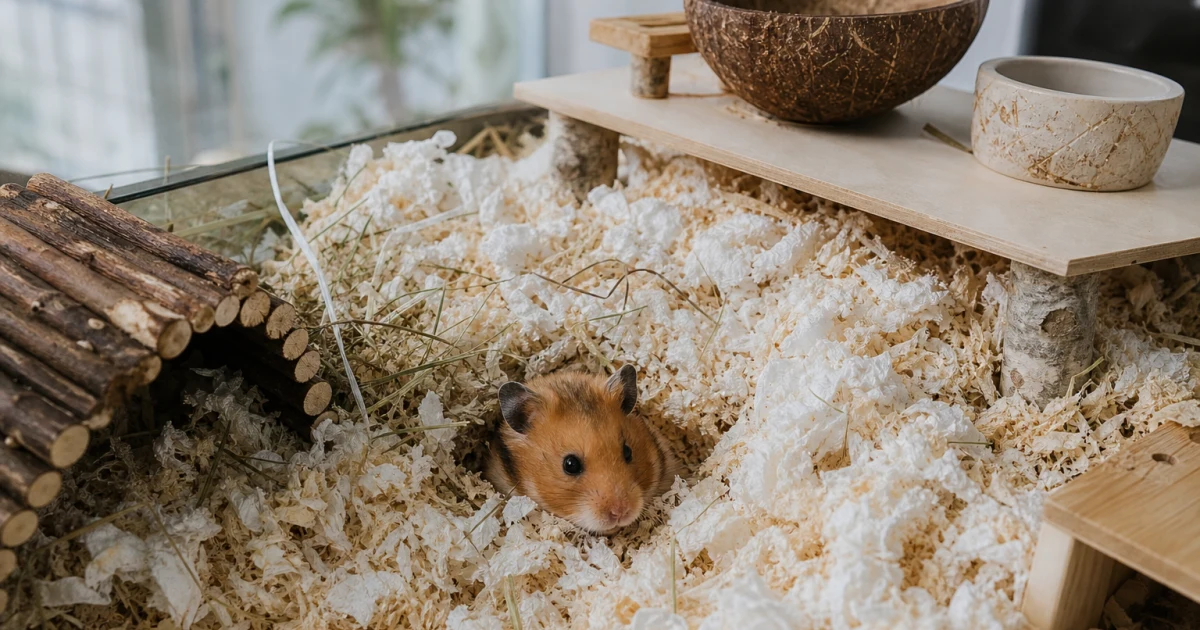
Paper vs Aspen Bedding for Hamsters: Which Fits Your Setup?
Paper bedding is usually the easier starting point for deep hamster burrows, while aspen can add structure, absorbency, and a different texture. The best choice depends on your enclosure, cleaning routine, and how your hamster responds to the material.
Other Pets
Birds
Cleanup
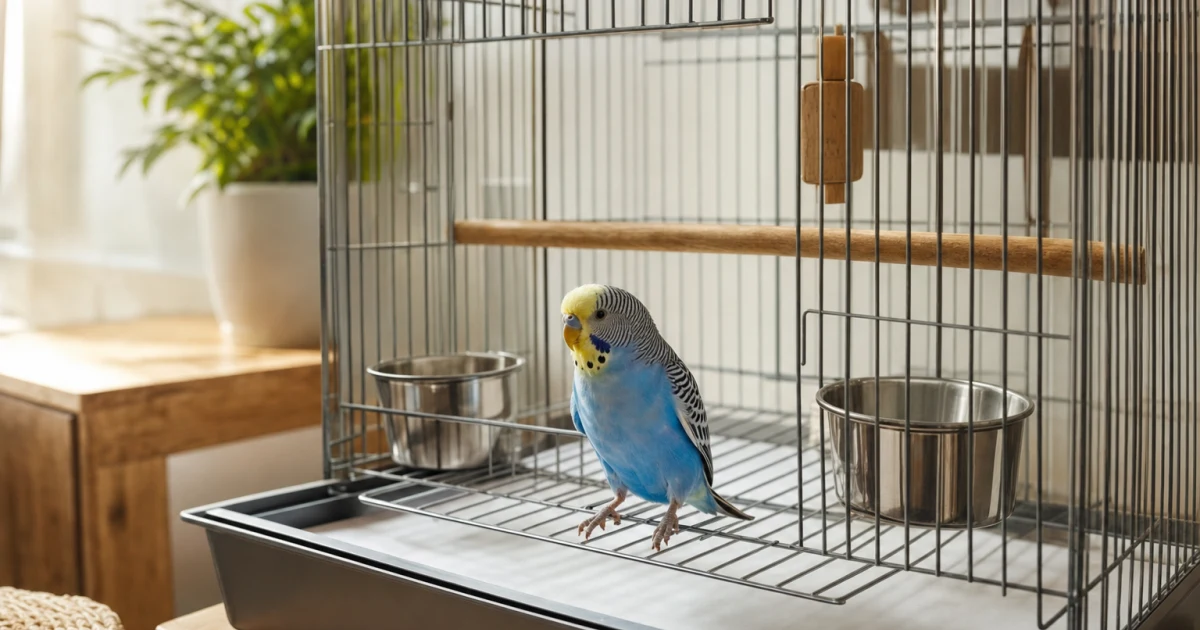
Bird Cage Liners: What Matters for Cleanup and Daily Use?
For most companion birds, plain disposable paper is the practical default because it is easy to replace and makes droppings visible. The best liner still depends on whether your bird can reach, shred, or eat it, and whether the cage tray fits standard paper.
Feeding & Hydration
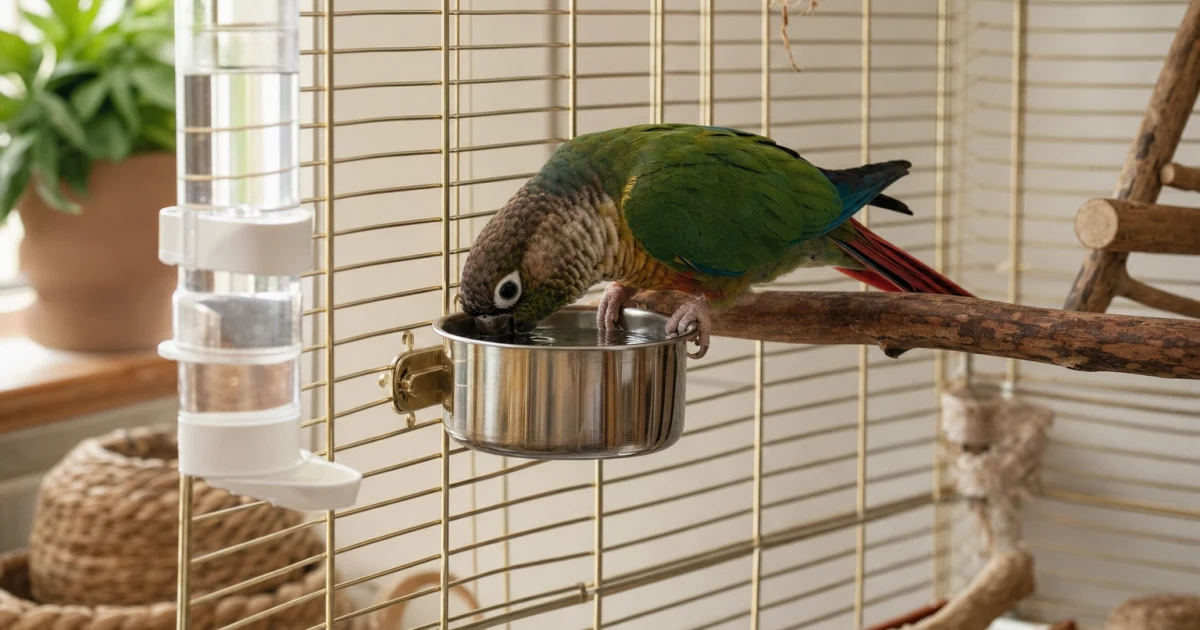
Bird Water Bowl vs Bottle: What Should You Consider?
A bird water bowl is usually the simplest starting point, but a properly maintained bottle can keep water cleaner for birds that dunk food or soil open dishes. The better choice depends on whether your bird recognizes the water source, how reliably the product works, and how closely you can monitor and clean it.
Habitat
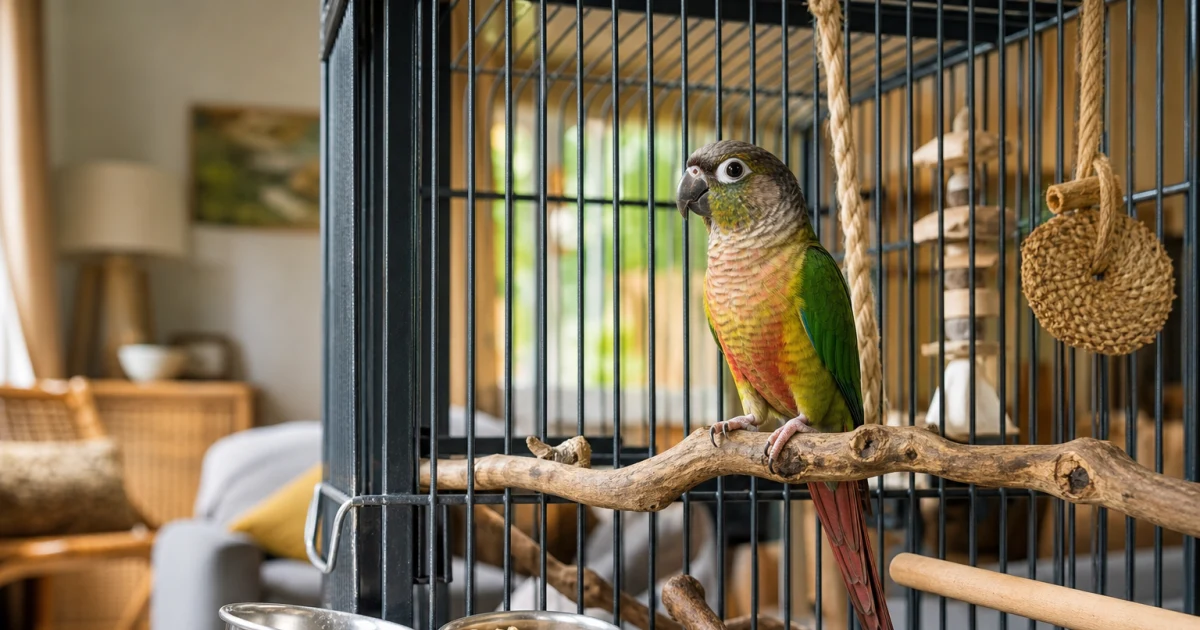
Natural Branch vs Dowel Perches for Birds: What Changes for the Setup?
Natural branch perches usually offer better variation for grip, foot pressure, movement, and chewing. Dowel perches are simple and easy to clean, but a cage built mostly around one smooth diameter can create a less varied setup. The practical answer is usually a combination of correctly sized, safe perches rather than choosing only one material.
Other Pets
Reptiles
Habitat
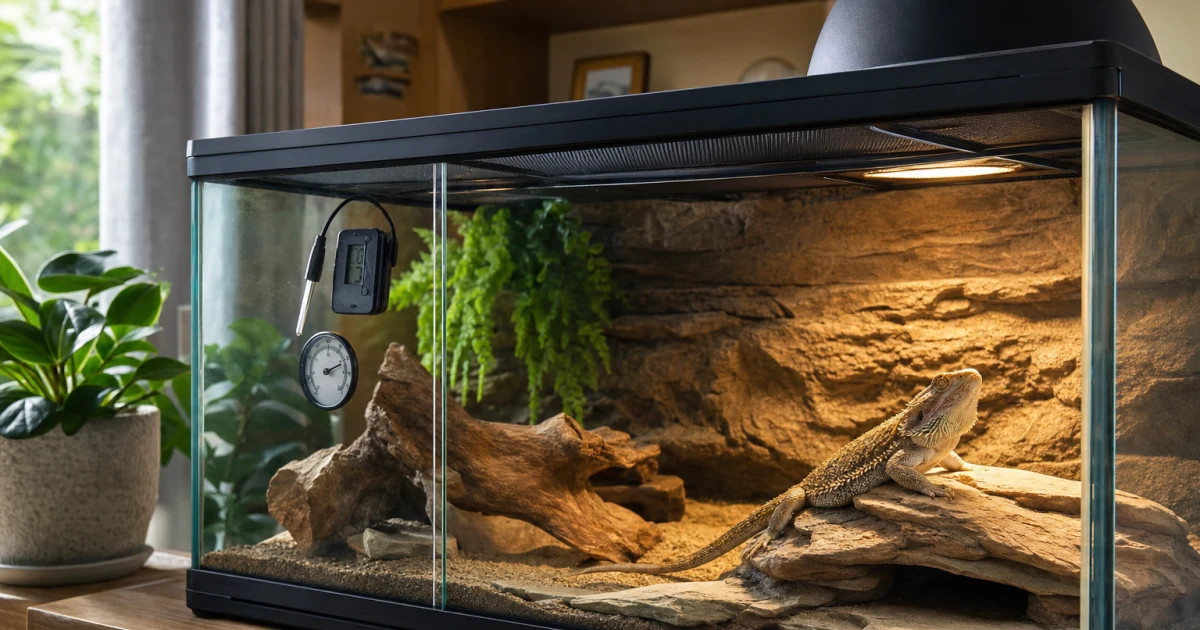
Digital vs Analog Reptile Thermometers: Which Is Easier to Rely On?
Digital probe thermometers are usually easier to use for routine reptile habitat monitoring, but the sensor’s placement and the product’s stated accuracy matter more than the display type alone. Analog gauges can work as simple backup checks, while infrared thermometers are useful for spot-checking surfaces rather than replacing fixed probes.
Habitat
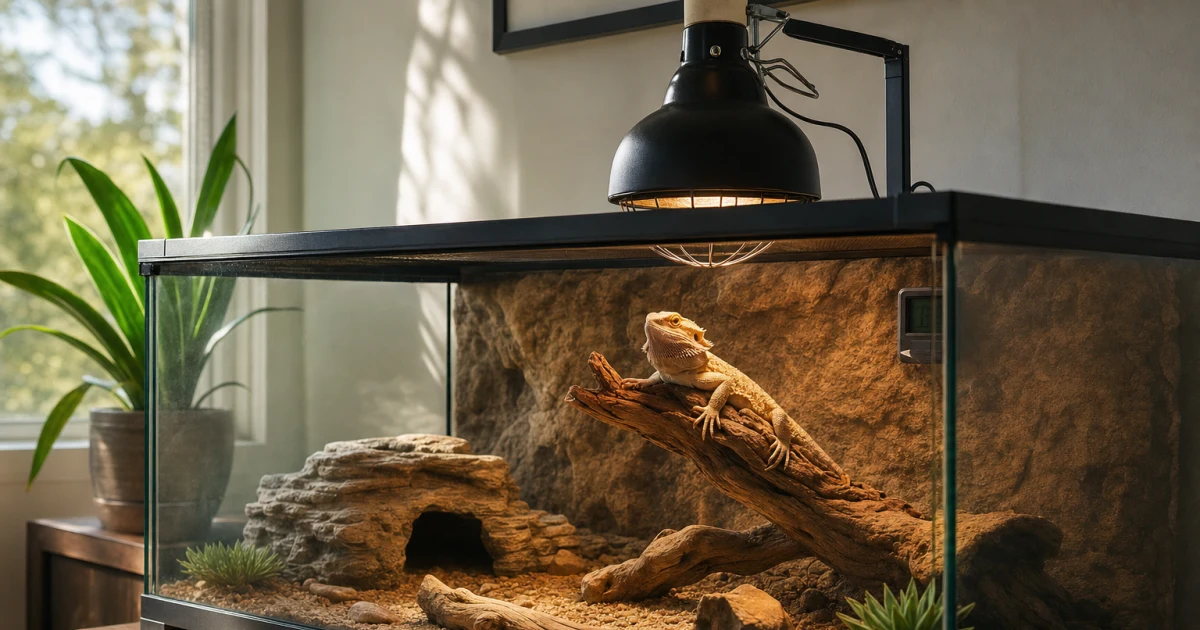
Heat Mat vs Heat Lamp for Reptiles: What Changes by Setup?
A heat lamp is usually the better primary source for reptiles that bask, while a heat mat may help provide localized or nighttime warmth for suitable species. The right setup depends on species, enclosure, room temperature, and whether UVB lighting is already covered.
Other Pets
Aquatics
Aquatics
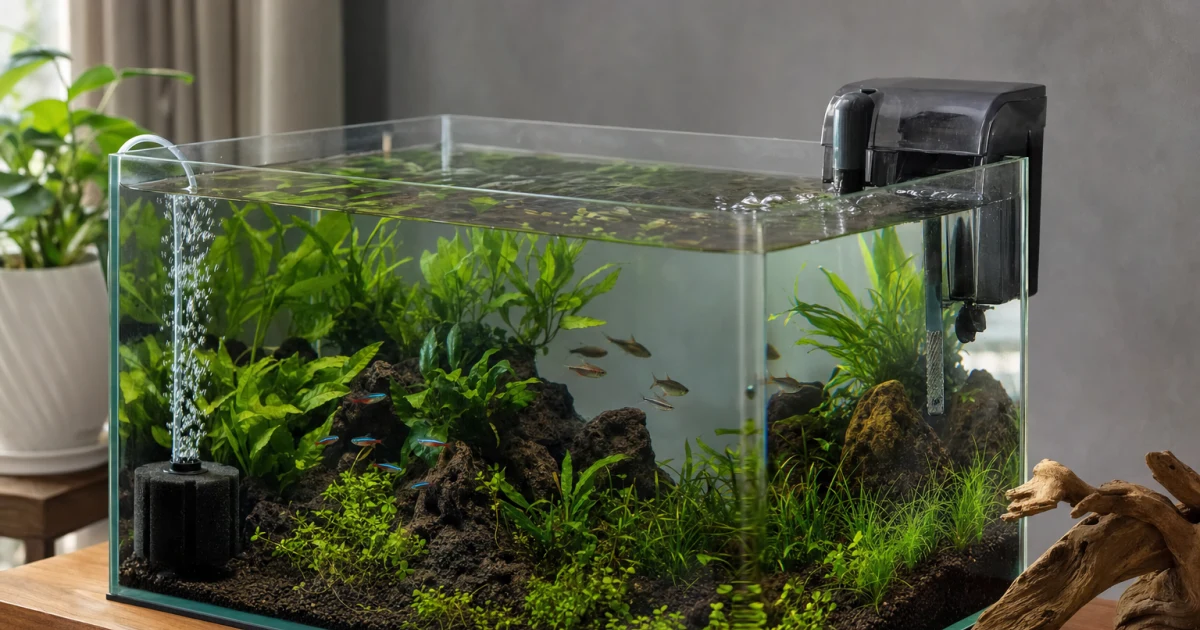
Sponge Filter vs Hang-On-Back Filter: Which Fits Your Aquarium?
Sponge filters prioritize gentle flow and simple biological filtration, while hang-on-back filters offer stronger circulation and more flexible mechanical, biological, and chemical media. The better choice depends on your livestock, tank layout, maintenance habits, and tolerance for visible equipment or air-pump noise.
Aquatics
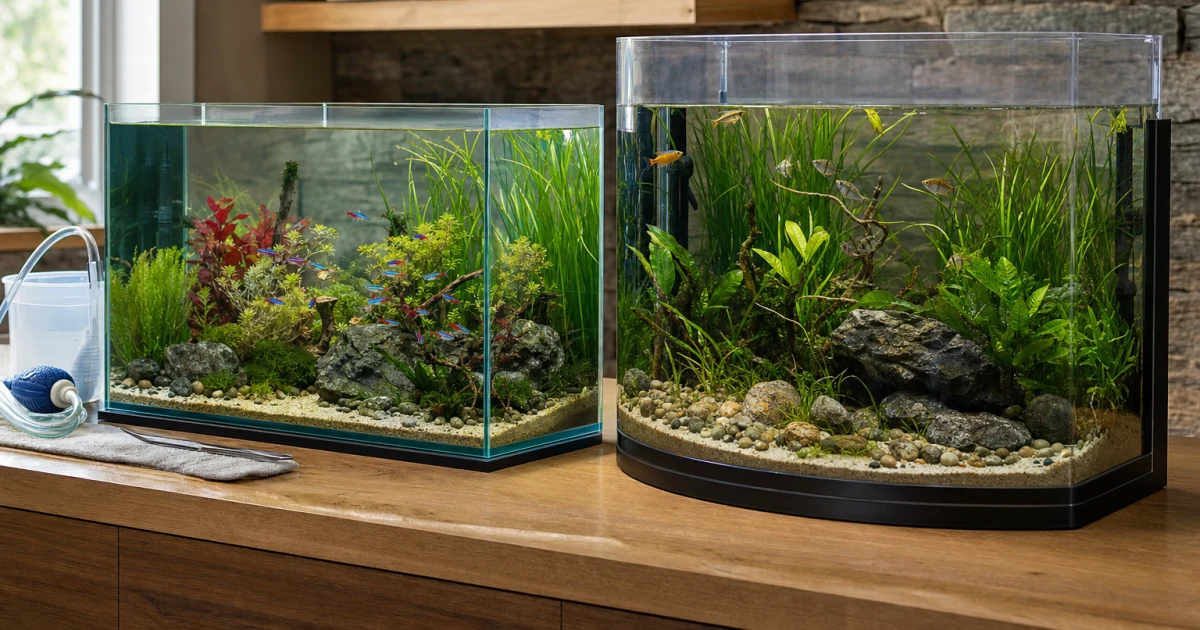
Glass vs Acrylic Aquarium: Which Trade-Offs Matter Most?
Glass is usually the practical choice for smaller, flat aquariums and scratch resistance. Acrylic becomes more compelling when low weight, impact resistance, curved shapes, or custom drilling matter most.