Buying guide library
Find the right product for the job—not just the loudest recommendation.
Comparisons and decision guides organized around real pet-care needs, with practical trade-offs made visible before you buy.
Browse by need
Start with the job the product needs to do.
Bowls, feeders, fountains & daily routines
Feeding & Hydration
Compare the products that shape everyday eating and drinking routines, with attention to cleaning, stability, fit, maintenance, and the animal using them.
Explore topic →Leashes, harnesses, carriers & transport
Walking & Travel
Research gear used away from the feeding station: walks, vehicles, vet trips, carriers, restraint, and travel routines.
Explore topic →Brushes, coat care & nail tools
Grooming
Choose grooming tools around coat type, handling tolerance, maintenance needs, and the specific job the tool needs to do.
Explore topic →Litter systems, waste control & cleaner homes
Cleanup & Litter
Compare litter, cleanup, and waste-management products by the real household problem: tracking, odor, maintenance, mess, and species-specific use.
Explore topic →Rest, support, temperature & calm spaces
Beds & Comfort
Evaluate comfort products by body support, washability, temperature, durability, and whether the animal actually uses the space.
Explore topic →Scratchers, toys, activity & boredom reduction
Play & Enrichment
Focus on products that encourage species-appropriate activity without assuming more expensive automatically means more enriching.
Explore topic →Small-animal, bird, reptile & aquatic setups
Habitats & Enclosures
Use species-aware research for enclosures, habitat equipment, lighting, heat, filtration, and other products where setup details can matter more than marketing.
Explore topic →Gates, crates, containment & household setup
Home & Safety
Compare products that shape where pets can move, rest, or stay safely in the home, with attention to installation, fit, escape risk, and supervision.
Explore topic →All research
Pet product guides
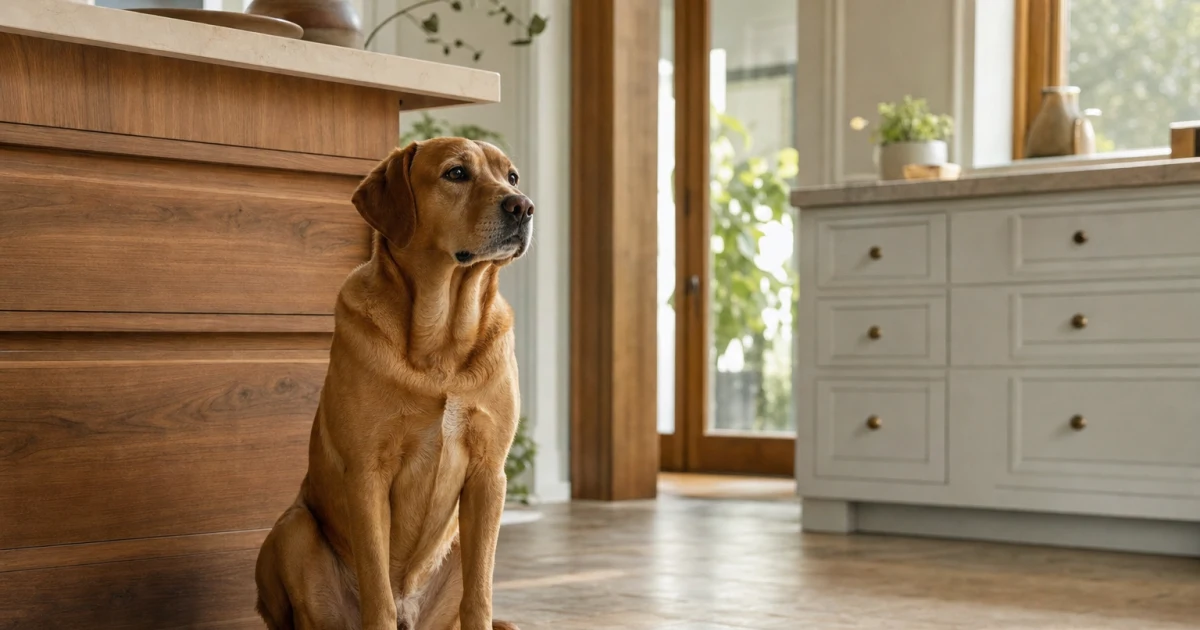
Dogs · Feeding
Stainless Steel vs Ceramic Dog Bowls: Which Fits Your Routine?
Stainless steel is usually the low-maintenance choice; ceramic can be quieter and heavier, but condition and glaze quality matter.
7 min read

Dogs · Walking & Travel
Dog Harness vs Collar for Everyday Walks: What Actually Changes?
A collar is simple and useful for identification; a well-fitted harness can reduce pressure on the neck and offer different control on walks.
8 min read
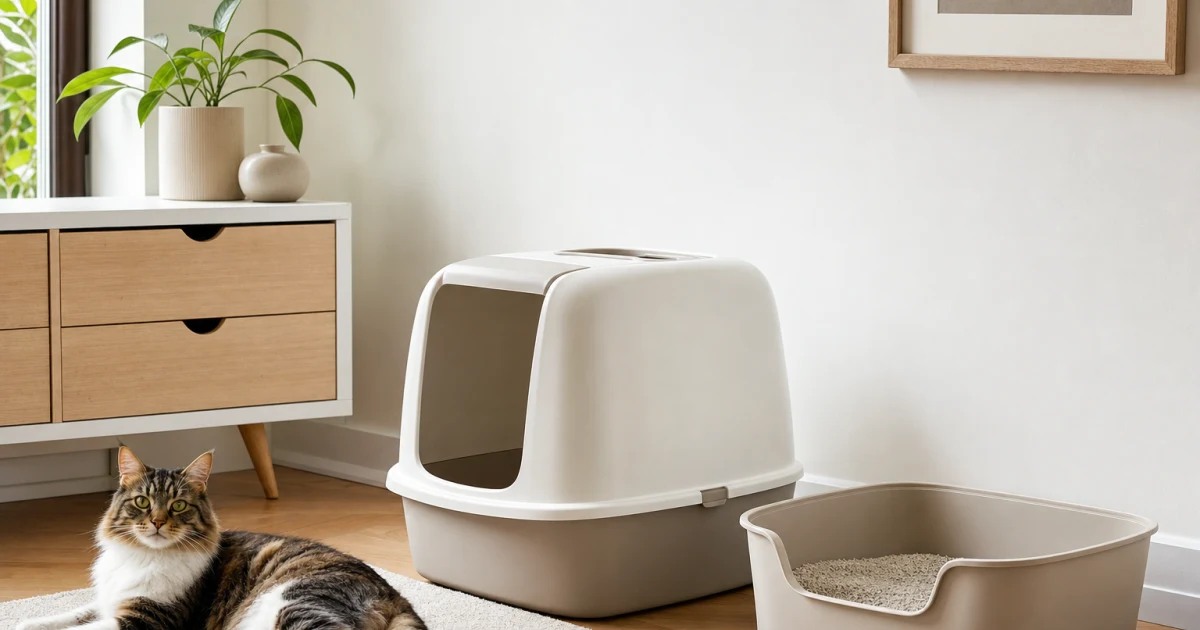
Cats · Litter & Cleanup
Covered vs Open Litter Box: Which Setup Fits Your Cat?
Research does not support a simple “cats always prefer open boxes” rule. Cleanliness, size, access, and the individual cat can matter more.
8 min read
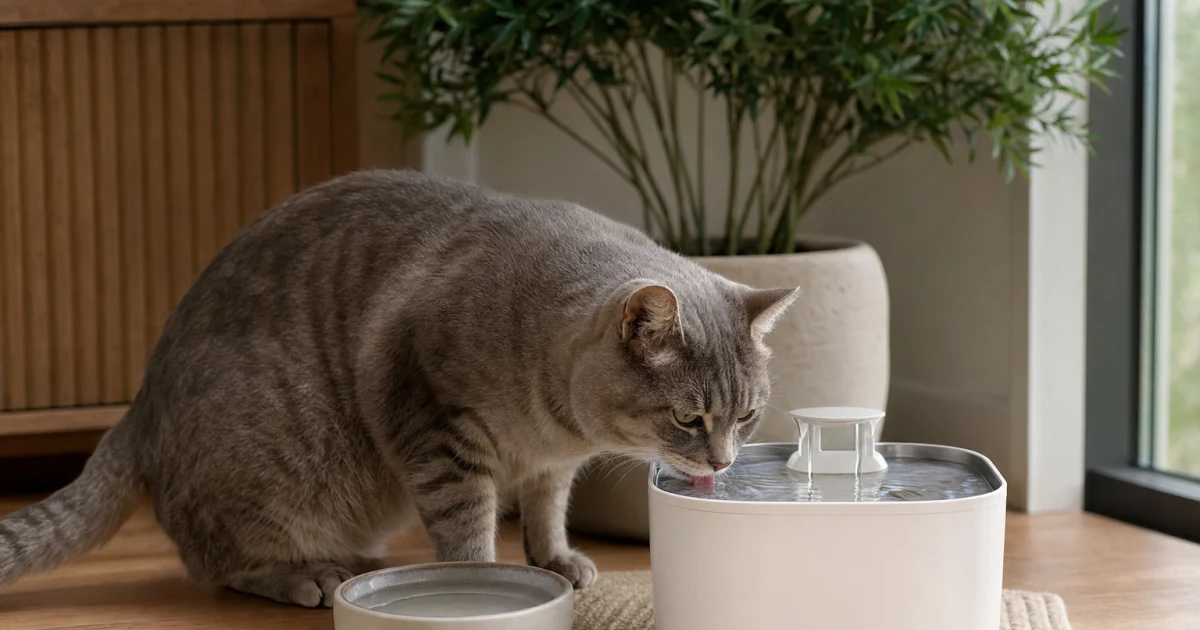
Cats · Feeding & Hydration
Cat Water Fountain vs Bowl: Which Is Easier to Live With?
Some cats enjoy moving water, but a fountain is not automatically better. Cleanliness, placement, bowl shape, and your cat’s preference matter.
7 min read
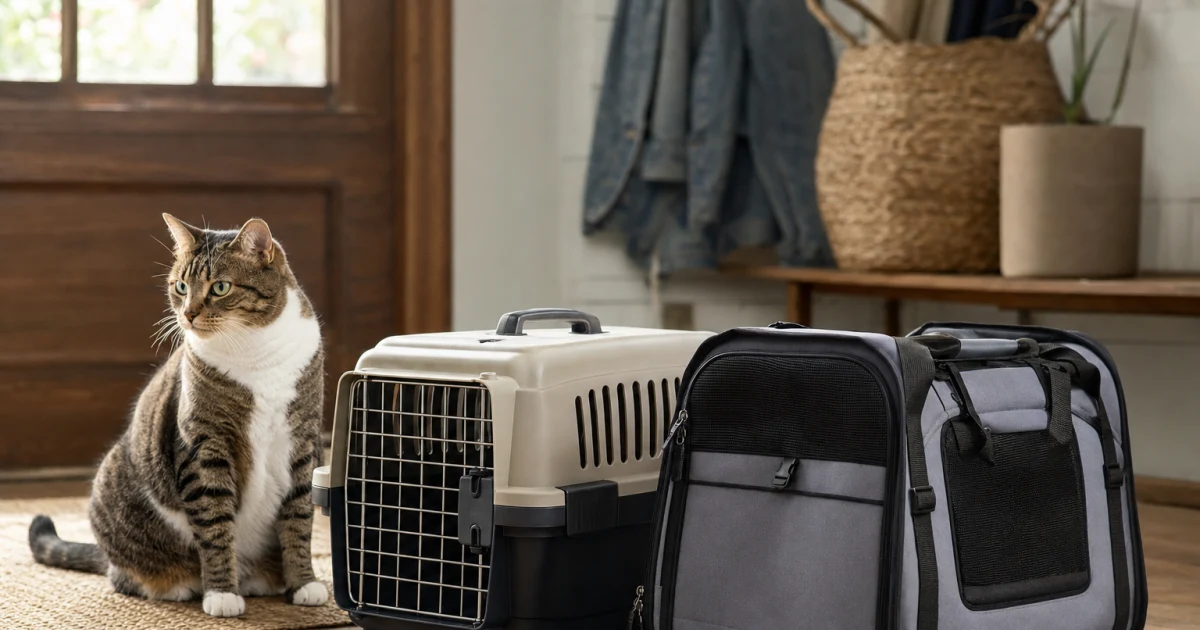
Cats · Travel
Hard-Sided vs Soft-Sided Cat Carrier: Which Fits Your Trips?
Hard carriers are usually easier to clean and more protective; soft carriers are lighter and easier to store. The trip determines the better fit.
8 min read

Dogs · Walking & Travel
Front-Clip vs Back-Clip Dog Harness: Which Fits Your Walks Better?
Front-clip harnesses can help redirect dogs that pull, while back-clip harnesses are often simpler for calm walkers and activities where a dog needs to move freely. The best choice depends on your dog’s behavior, body shape, walking goals, and harness fit—not the clip position alone.
9 min read
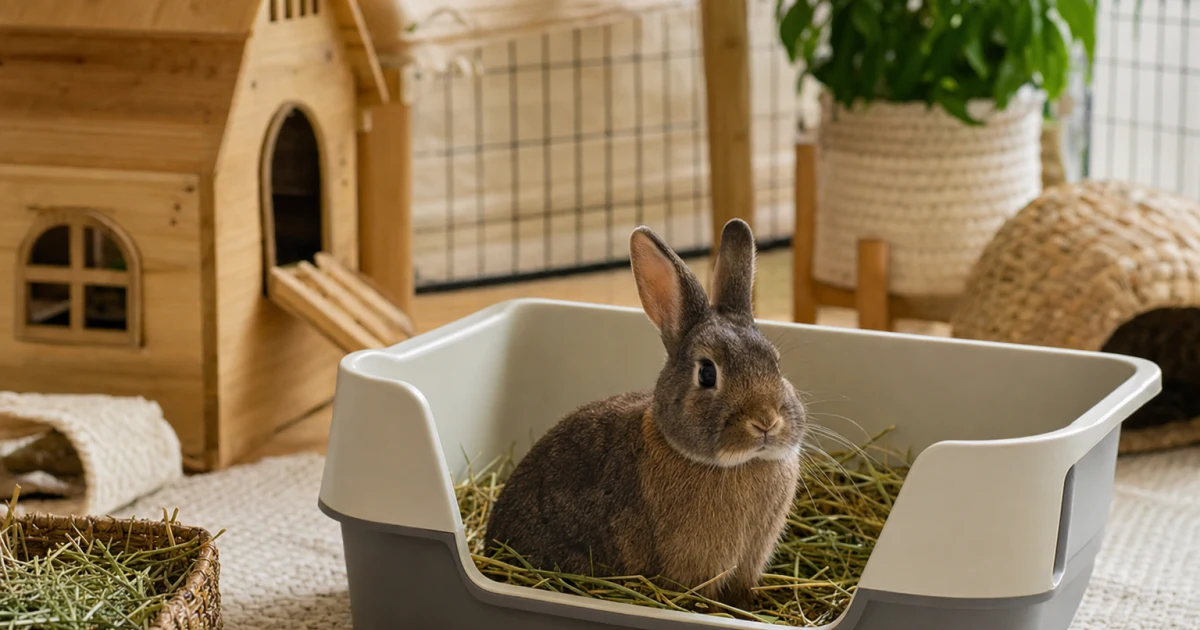
Other Pets · Cleanup
Rabbit Litter Boxes: What to Check Before You Buy?
The best rabbit litter box is usually a roomy, open, stable tray that your rabbit can enter easily, sit in comfortably, and use without being exposed to unsafe litter. Check the box size, entry height, material, placement, and cleaning routine before buying.
7 min read
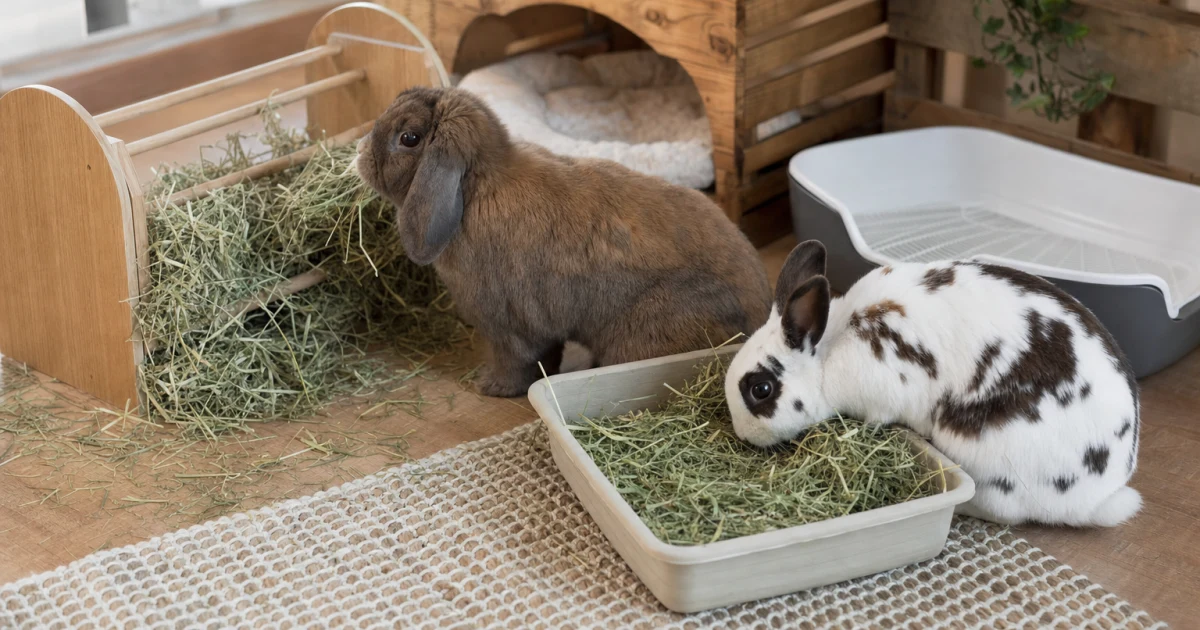
Other Pets · Feeding
Hay Feeder vs Loose Hay for Rabbits: Which Setup Is Easier to Manage?
A hay feeder can reduce mess, but loose hay is often easier for rabbits to reach and forage through. For many homes, the most manageable setup combines a stable feeder with a small, fresh loose-hay station.
8 min read
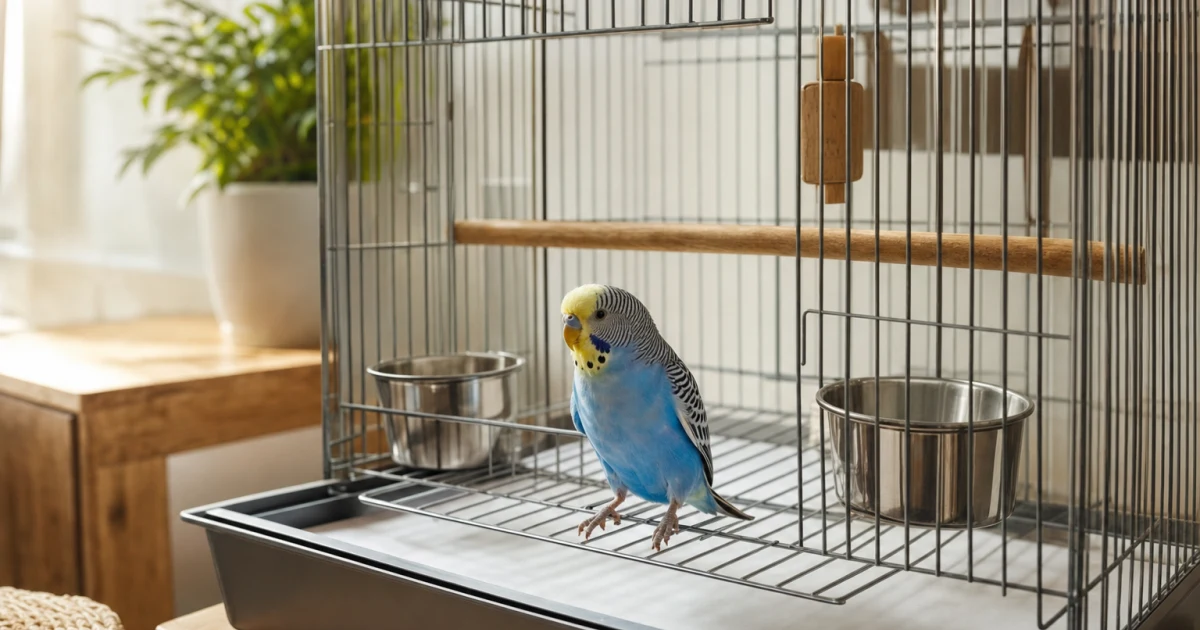
Other Pets · Cleanup
Bird Cage Liners: What Matters for Cleanup and Daily Use?
For most companion birds, plain disposable paper is the practical default because it is easy to replace and makes droppings visible. The best liner still depends on whether your bird can reach, shred, or eat it, and whether the cage tray fits standard paper.
7 min read
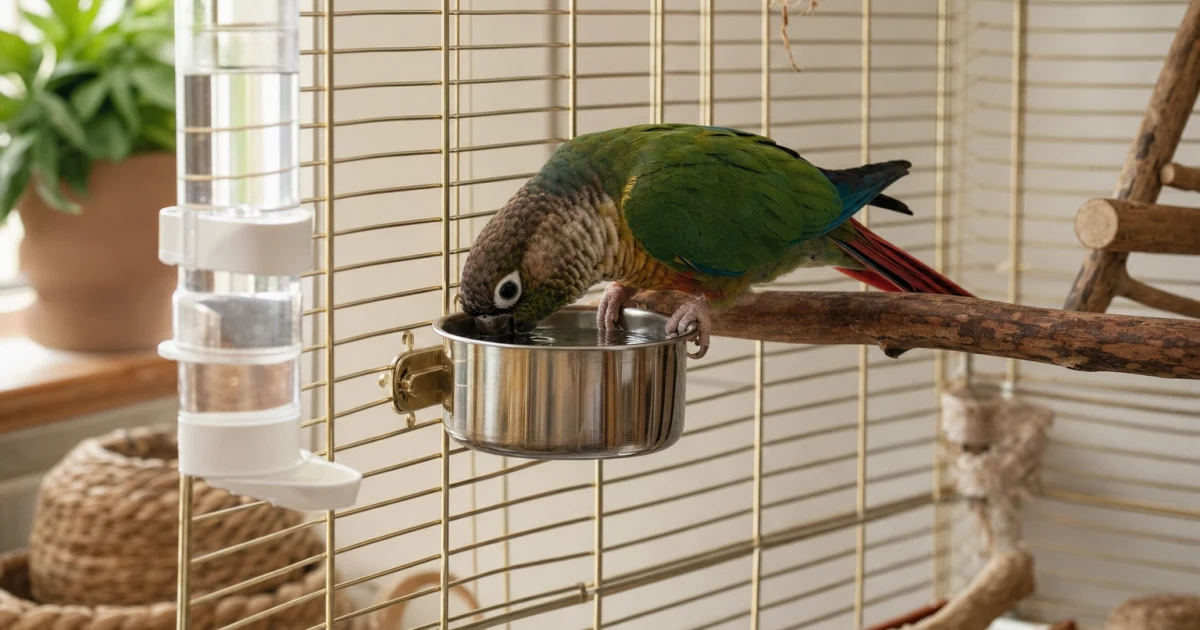
Other Pets · Feeding & Hydration
Bird Water Bowl vs Bottle: What Should You Consider?
A bird water bowl is usually the simplest starting point, but a properly maintained bottle can keep water cleaner for birds that dunk food or soil open dishes. The better choice depends on whether your bird recognizes the water source, how reliably the product works, and how closely you can monitor and clean it.
8 min read
Other Pets · Habitat
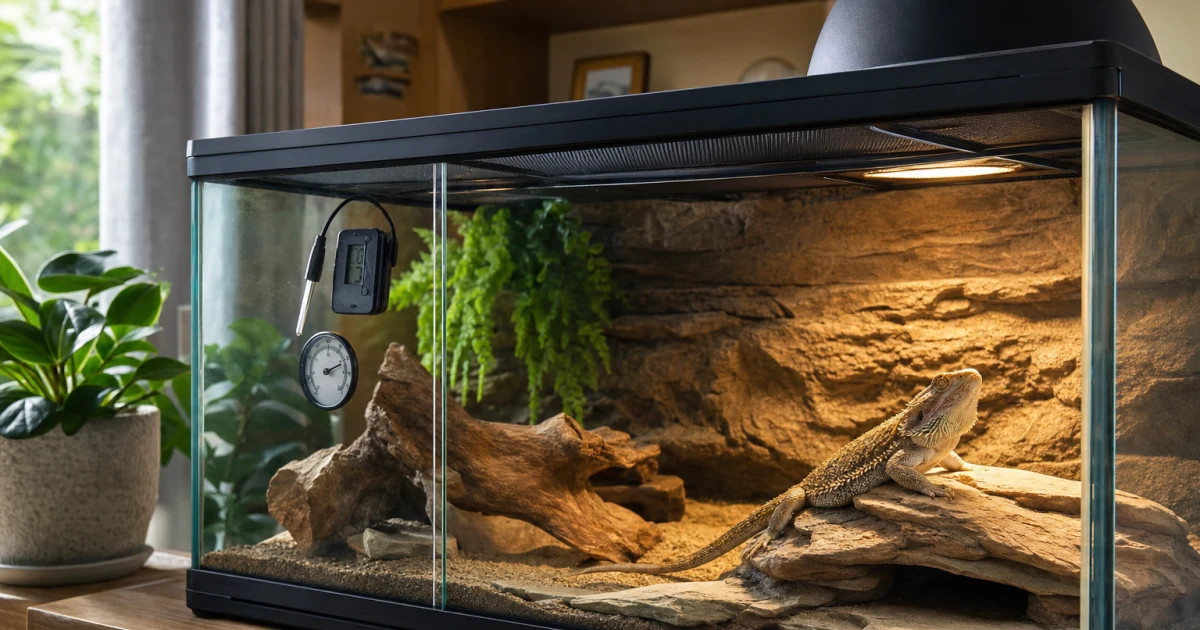
Digital vs Analog Reptile Thermometers: Which Is Easier to Rely On?
Digital probe thermometers are usually easier to use for routine reptile habitat monitoring, but the sensor’s placement and the product’s stated accuracy matter more than the display type alone. Analog gauges can work as simple backup checks, while infrared thermometers are useful for spot-checking surfaces rather than replacing fixed probes.
7 min read
Other Pets · Habitat
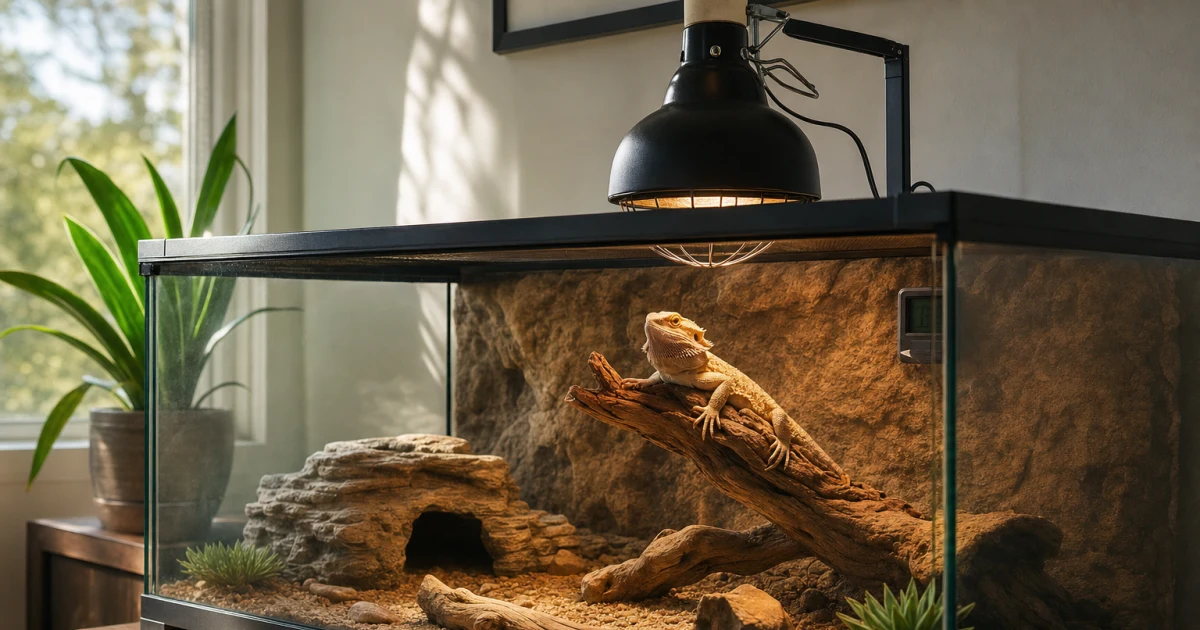
Heat Mat vs Heat Lamp for Reptiles: What Changes by Setup?
A heat lamp is usually the better primary source for reptiles that bask, while a heat mat may help provide localized or nighttime warmth for suitable species. The right setup depends on species, enclosure, room temperature, and whether UVB lighting is already covered.
7 min read
Other Pets · Aquatics
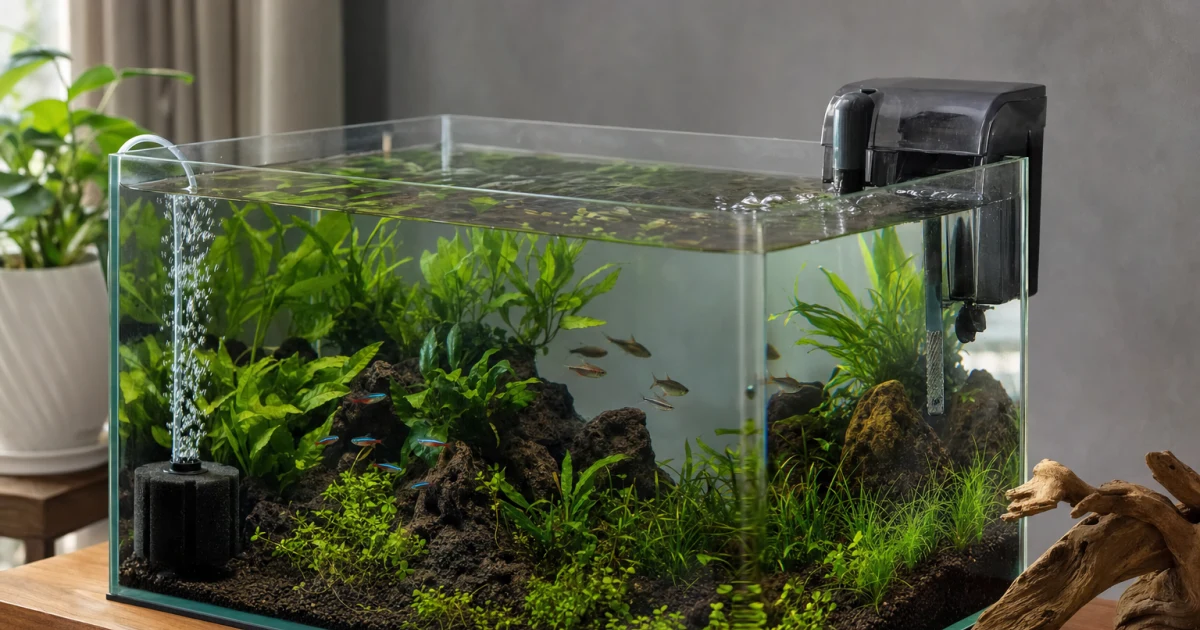
Sponge Filter vs Hang-On-Back Filter: Which Fits Your Aquarium?
Sponge filters prioritize gentle flow and simple biological filtration, while hang-on-back filters offer stronger circulation and more flexible mechanical, biological, and chemical media. The better choice depends on your livestock, tank layout, maintenance habits, and tolerance for visible equipment or air-pump noise.
8 min read
Other Pets · Aquatics
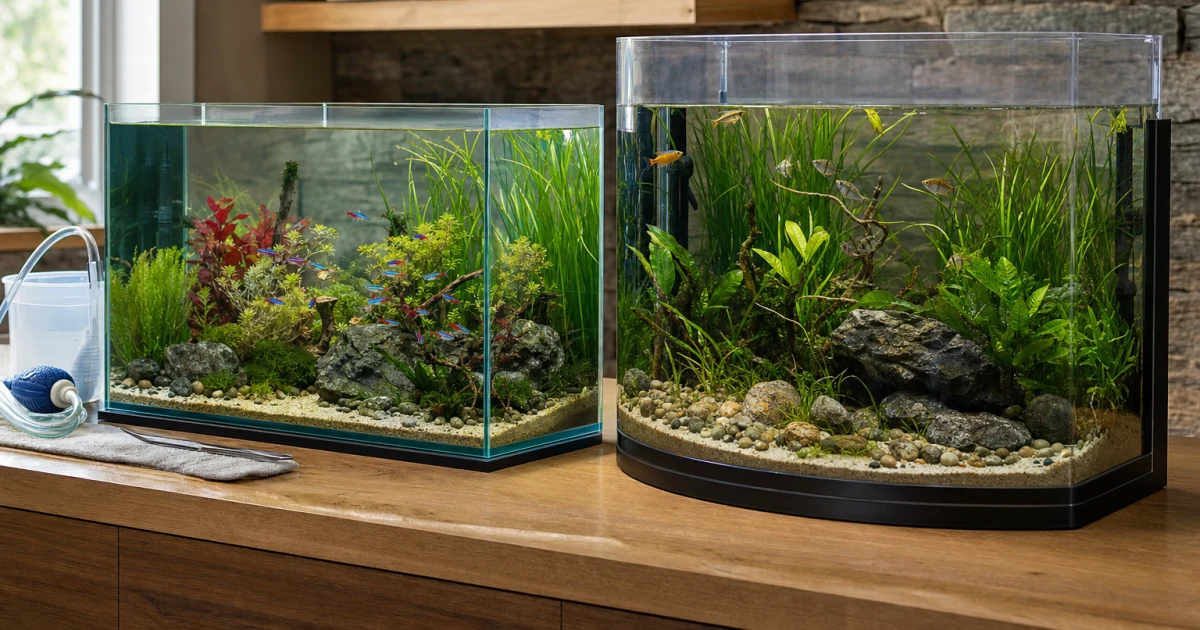
Glass vs Acrylic Aquarium: Which Trade-Offs Matter Most?
Glass is usually the practical choice for smaller, flat aquariums and scratch resistance. Acrylic becomes more compelling when low weight, impact resistance, curved shapes, or custom drilling matter most.
8 min read
Other Pets · Travel
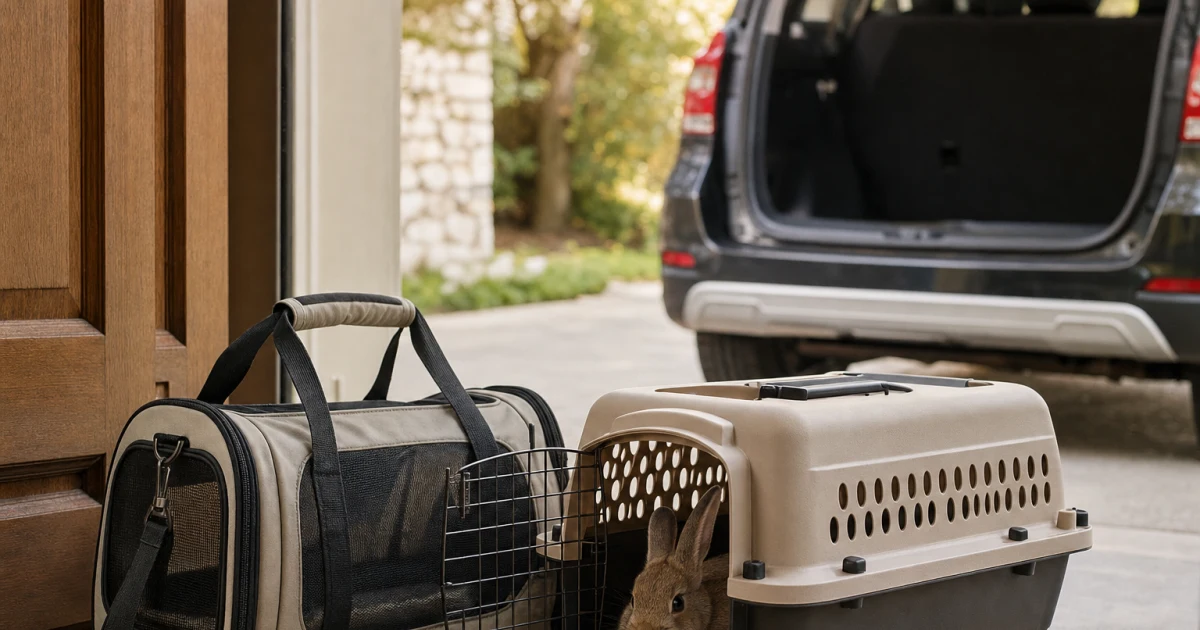
Hard vs Soft Carrier for Small Pets: Which Fits the Trip?
Hard carriers usually provide stronger containment, easier cleaning, and better resistance to chewing. Soft carriers can be lighter and easier to carry, but they require careful checks for ventilation, escape points, moisture, and airline fit.
7 min read
Other Pets · Play & Enrichment
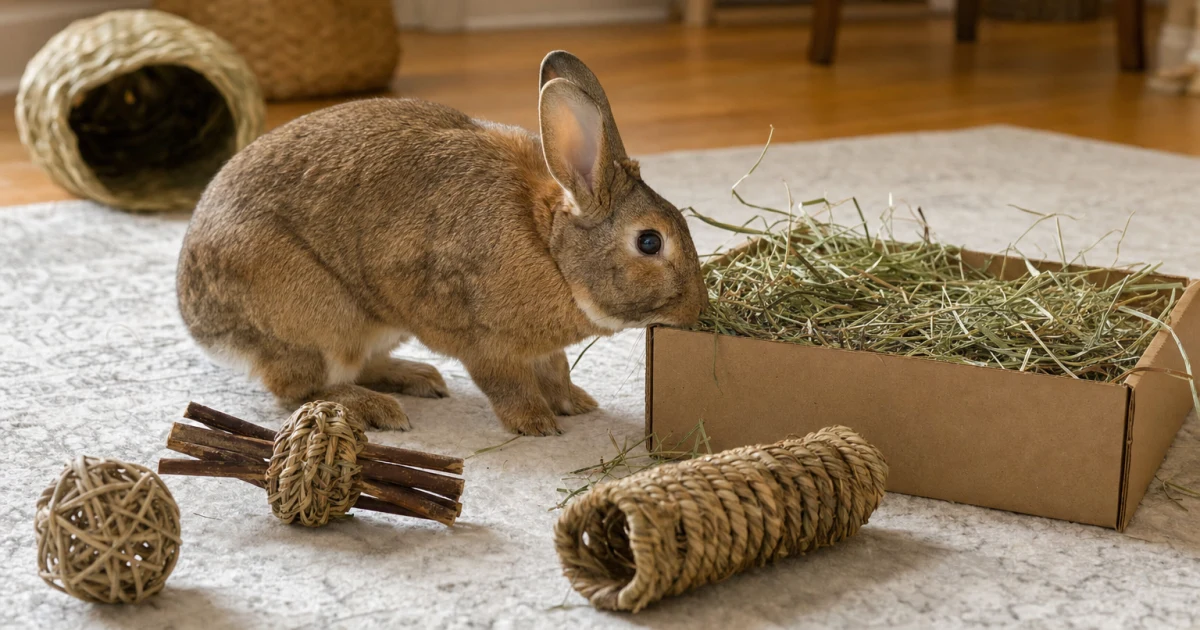
Chew Toys vs Foraging Toys for Rabbits: Which Job Does Each One Do?
Rabbit chew toys redirect a natural need to gnaw, while foraging toys make rabbits search, manipulate, or work for food. Learn when each type is useful, what materials to look for, and why neither replaces hay or veterinary dental care.
7 min read
Other Pets · Home & Safety
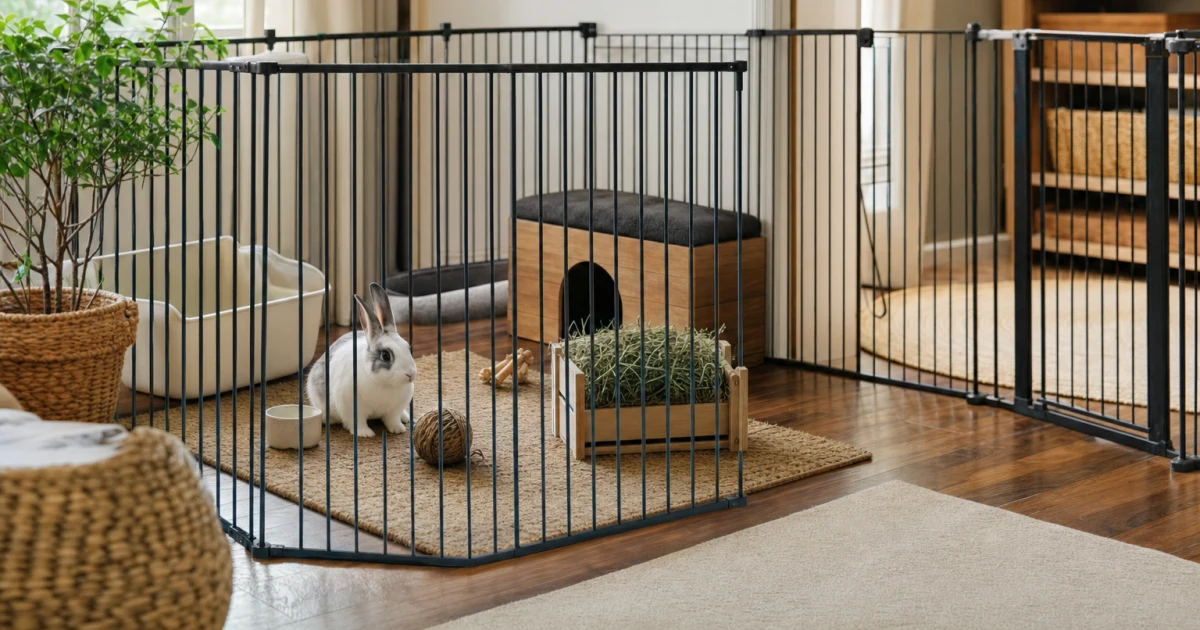
Small-Pet Playpen vs Room Gate: Which Setup Fits Safe Exercise Time?
A playpen offers more predictable containment, while a room gate can provide more usable exercise space. The better choice depends on your pet’s escape skills, chewing habits, species, and how thoroughly the room is prepared.
7 min read
Other Pets · Beds & Comfort
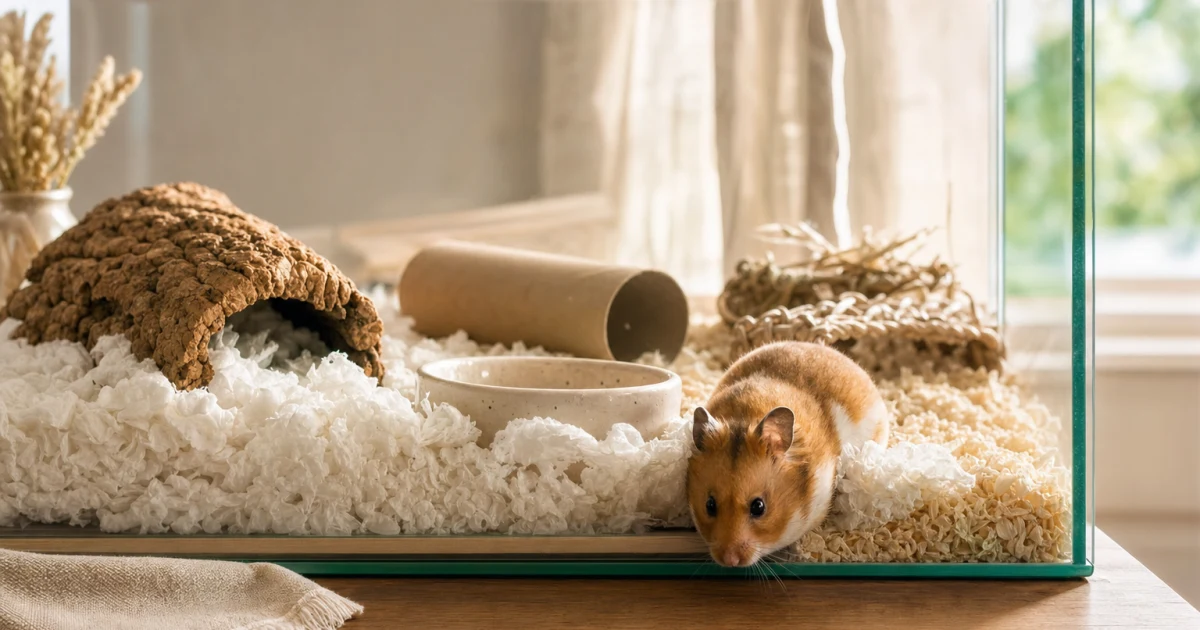
Paper vs Aspen Bedding for Small Pets: Which Trade-Offs Matter?
Paper is often the more forgiving default, while low-dust aspen can offer useful structure and a natural wood texture. The better choice depends on species, respiratory sensitivity, burrowing needs, enclosure ventilation, and how reliably the bedding stays dry and clean.
7 min read

Dogs · Beds & Comfort
Foam vs Polyfill Dog Beds: Which Fits Your Dog and Household?
Foam and polyfill dog beds solve different problems. Foam is usually the stronger choice for dogs needing stable joint support, while polyfill suits dogs that prefer a soft, nest-like bed and households that prioritize easy washing and lower replacement cost.
8 min read
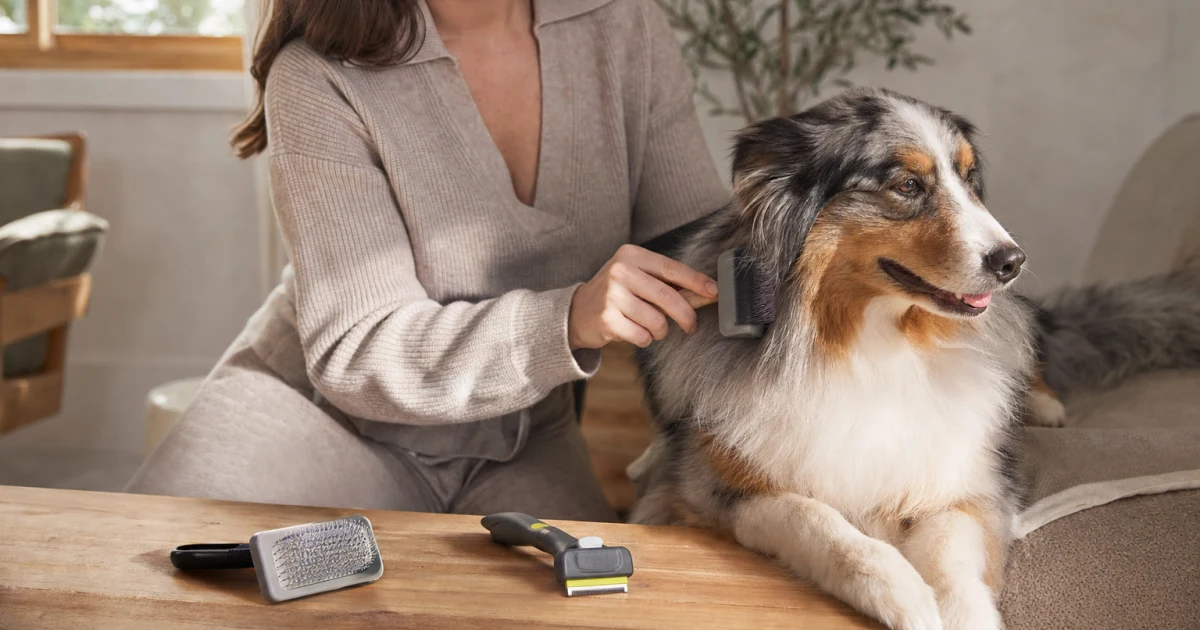
Dogs · Grooming
Slicker Brush vs Deshedding Tool: Which Job Does Each One Do?
A slicker brush is mainly for regular coat maintenance, light tangles, and separating fur. A deshedding tool is more specialized: it targets loose undercoat in dogs with a true double coat. Some dogs benefit from both, but neither tool is right for every coat.
7 min read
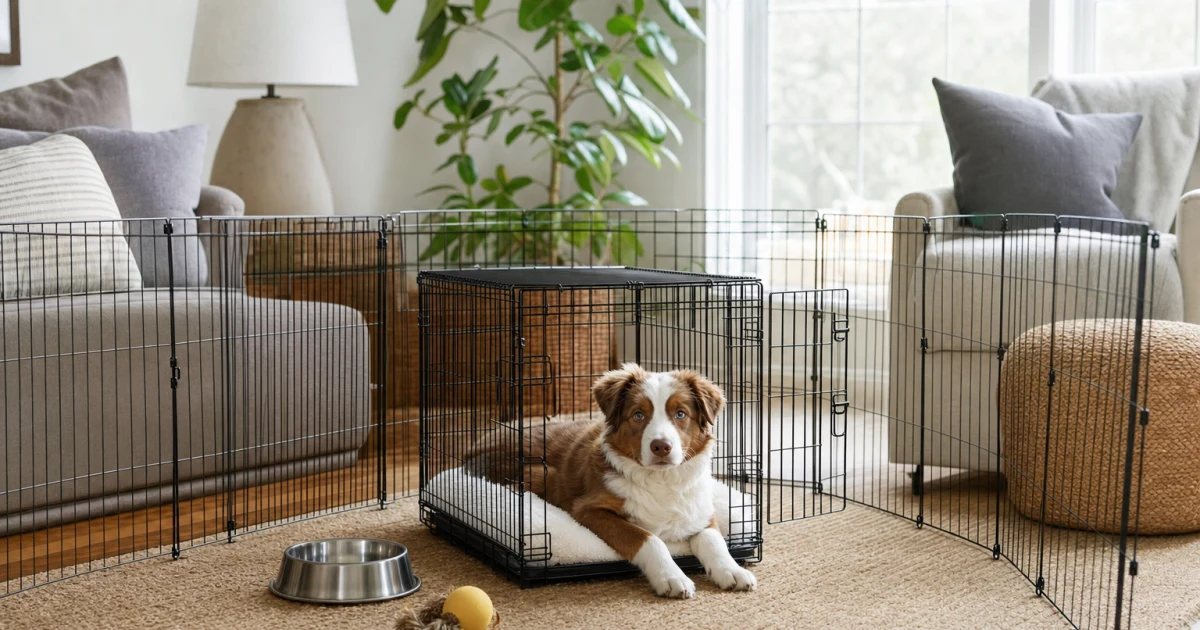
Dogs · Home & Comfort
Dog Crate vs Playpen: Which Setup Fits Your Home and Routine?
A crate offers tighter containment and supports sleep, travel, and focused house-training. A playpen gives a dog more room to move, play, and settle, but it needs more space and may be easier for an active or determined dog to escape. Many homes benefit from using both.
8 min read
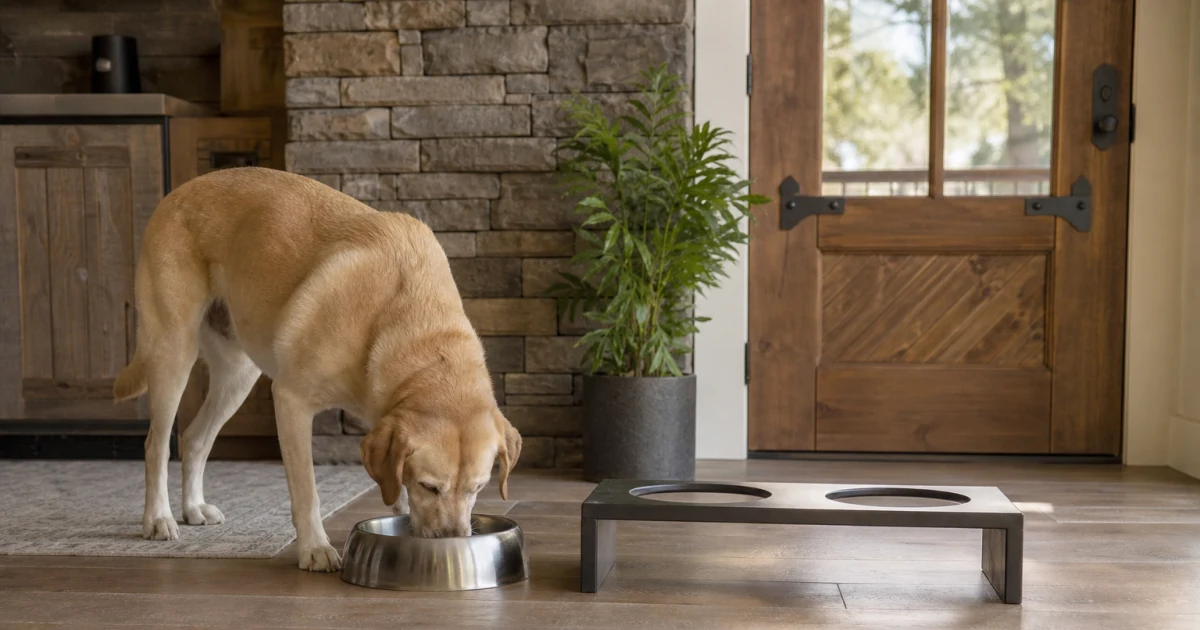
Dogs · Feeding
Raised vs Floor Dog Bowls: What Should You Consider Before Buying?
Raised bowls can make meals easier for some dogs with mobility or esophageal problems, but they are not a general bloat-prevention tool. For many healthy dogs, a stable floor bowl remains the simpler default.
7 min read
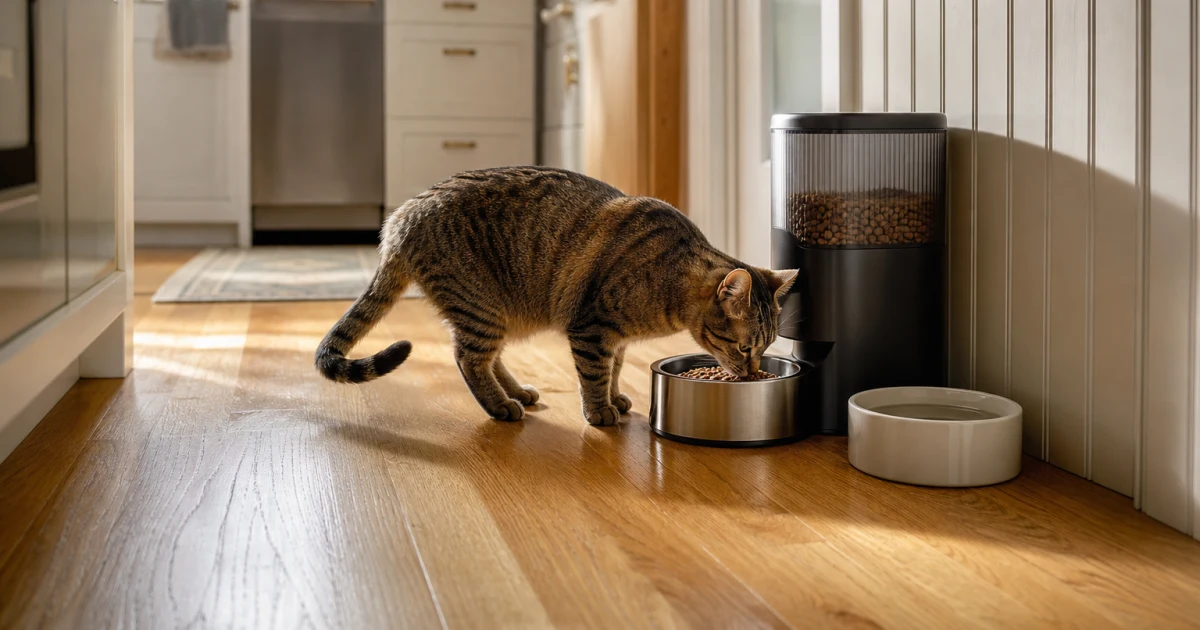
Cats · Feeding & Hydration
Automatic Feeder vs Regular Bowl for Cats: Which Fits Your Routine?
An automatic feeder is useful when meals must happen on schedule or portions need tighter control. A regular bowl is simpler, more flexible for wet food, and easier to monitor by hand. The right choice depends on your cat’s diet, appetite, household schedule, and need for access control.
8 min read
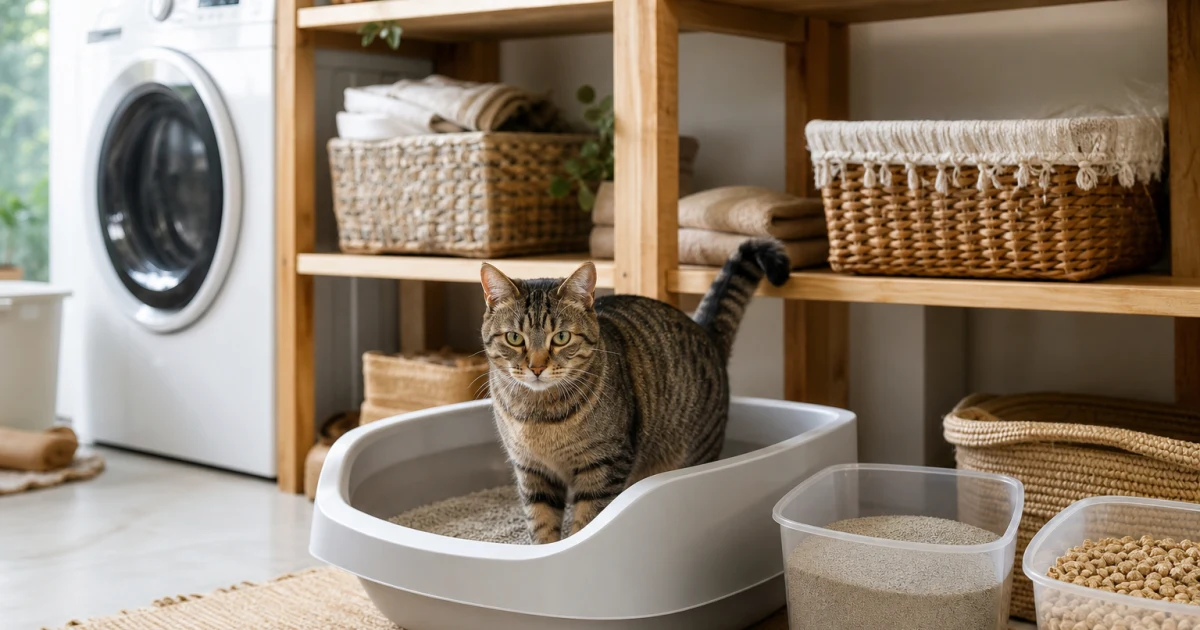
Cats · Litter & Cleanup
Clumping vs Non-Clumping Cat Litter: Which Is Easier to Live With?
Clumping litter usually makes daily cleanup easier because urine can be removed without replacing the whole box. Non-clumping litter can still suit cats and households that prefer pellets, simpler dumping and refilling, or a specific texture. The better choice depends on your cat’s acceptance and the cleaning routine you can maintain consistently.
8 min read
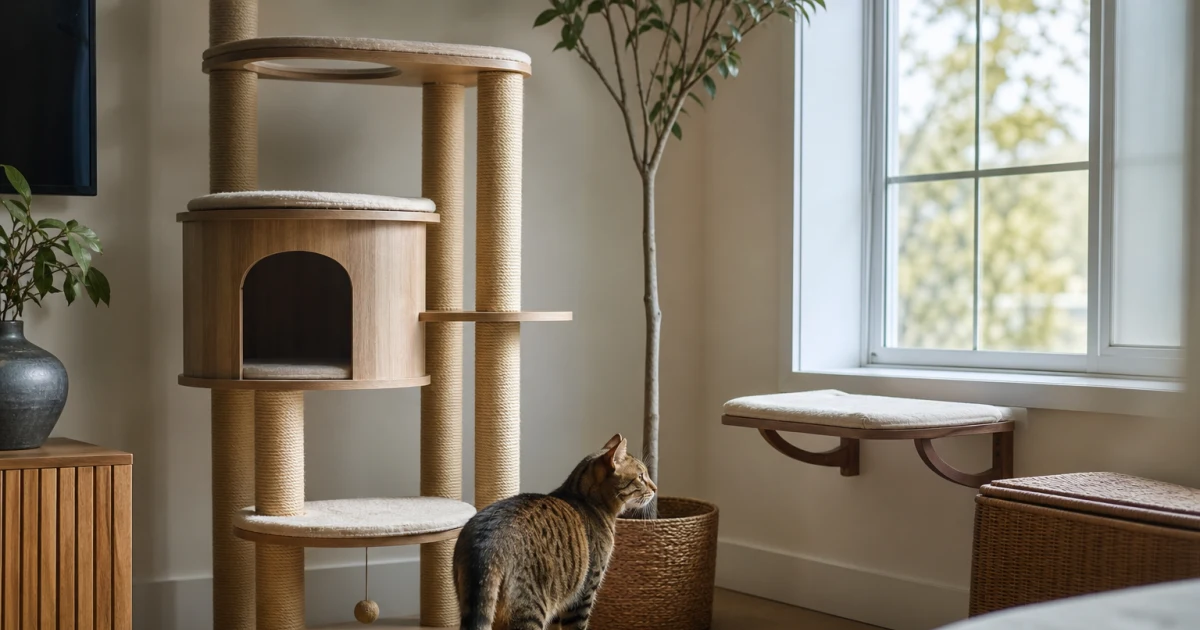
Cats · Play & Enrichment
Cat Tree vs Window Perch: Which Better Fits Your Space and Cat?
A cat tree is the more versatile choice for climbing, scratching, hiding, and multi-level movement. A window perch is better when your cat mainly wants a compact resting spot with an outdoor view.
7 min read

Dogs · Walking & Travel
Retractable vs Standard Dog Leash: Which Fits Everyday Walks?
A standard leash is usually the better everyday choice for sidewalks, training, crowded areas, and dogs that pull. A retractable leash can suit a reliably trained dog in a quiet, open space, but it adds handling and entanglement risks.
7 min read
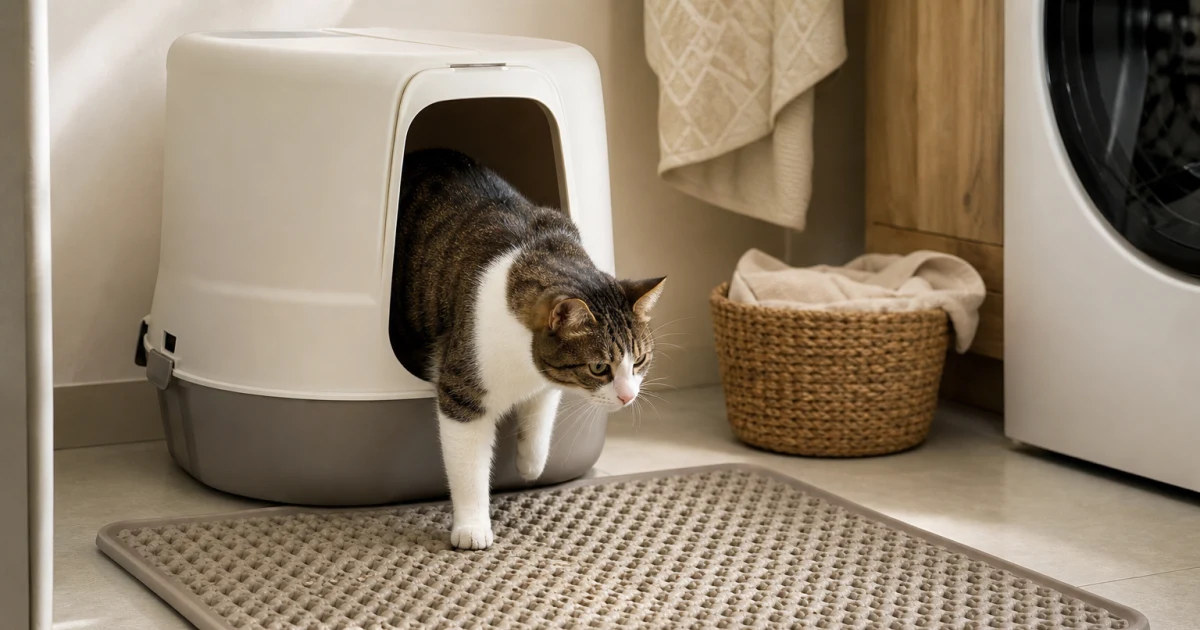
Cats · Litter & Cleanup
Cat Litter Mats: What Actually Matters Before You Buy?
The most useful cat litter mat is not necessarily the largest or most heavily textured. It is the one your cat walks across, catches the litter your cat carries out, stays flat, and can be emptied without becoming a second chore.
7 min read
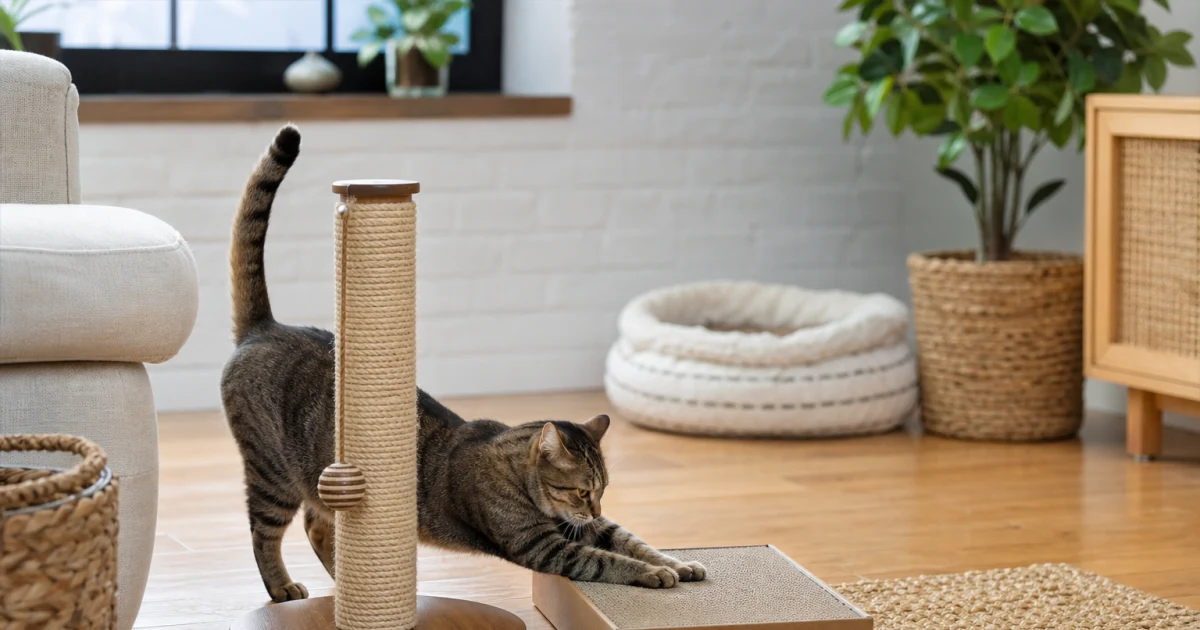
Cats · Play & Enrichment
Scratching Post vs Scratching Pad: Which Fits Your Cat and Space?
A vertical scratching post suits cats that stretch upward, while a horizontal pad fits cats that rake rugs or other floor-level surfaces. The best choice depends on what your cat already scratches, how stable the product is, and where it will live.
8 min read

Dogs · Walking & Travel
Dog Car Seat Cover vs Hammock: Which Setup Fits Your Vehicle?
A bench-style seat cover keeps the rear seat usable for people, while a hammock-style cover closes the gap to the front seats and contains more dirt. Neither is a crash restraint, so choose the cover around your vehicle and pair it with an appropriate dog harness or secured crate.
8 min read
Dogs · Feeding
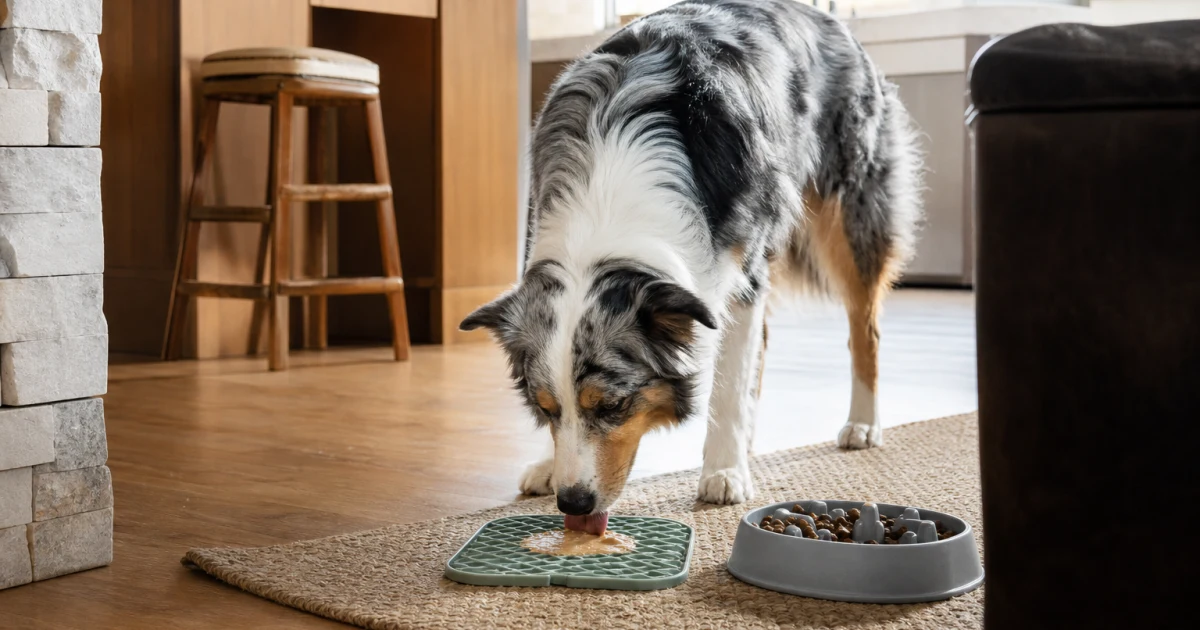
Slow Feeder Bowl vs Lick Mat: Which Better Fits the Job?
A slow feeder bowl is usually the better first choice for a dog that gulps regular meals. A lick mat is better for spreading soft food into a longer, lower-intensity licking activity, especially during grooming, crate time, or predictable household disruptions.
8 min read
Dogs · Home & Safety
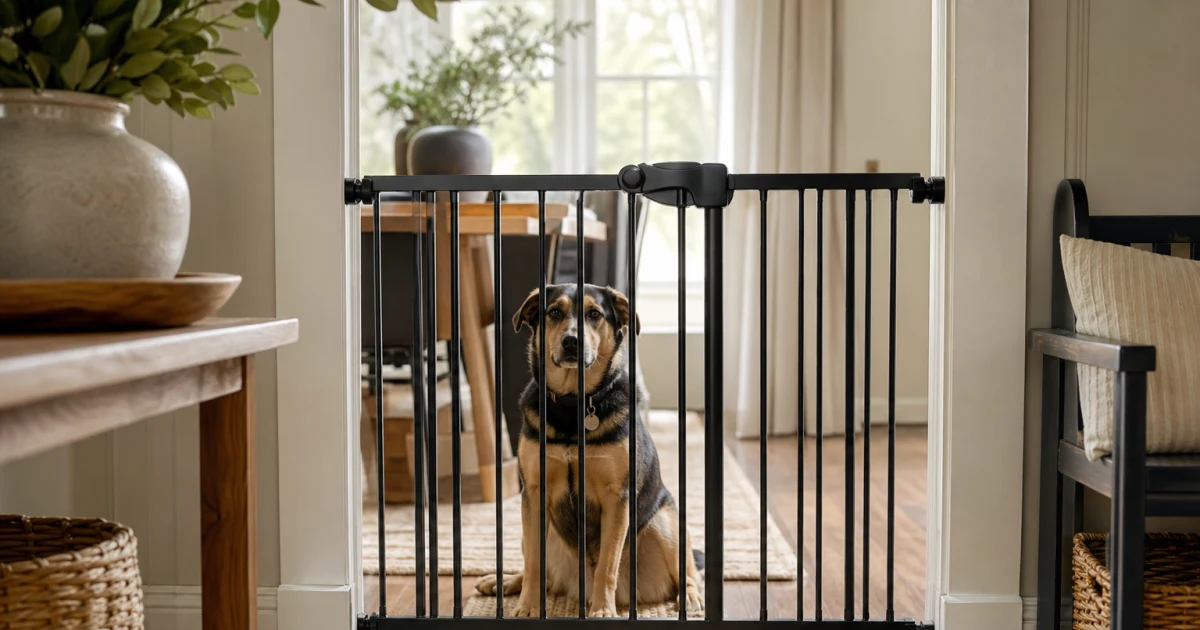
Pressure-Mounted vs Hardware-Mounted Pet Gate: Which Fits Your Space?
Pressure-mounted gates are convenient for many level doorways, while hardware-mounted gates make more sense when a gate must resist repeated force or protect the top of a staircase. The right choice depends on the opening, your dog’s behavior, and what happens if the gate moves.
8 min read
Cats · Grooming
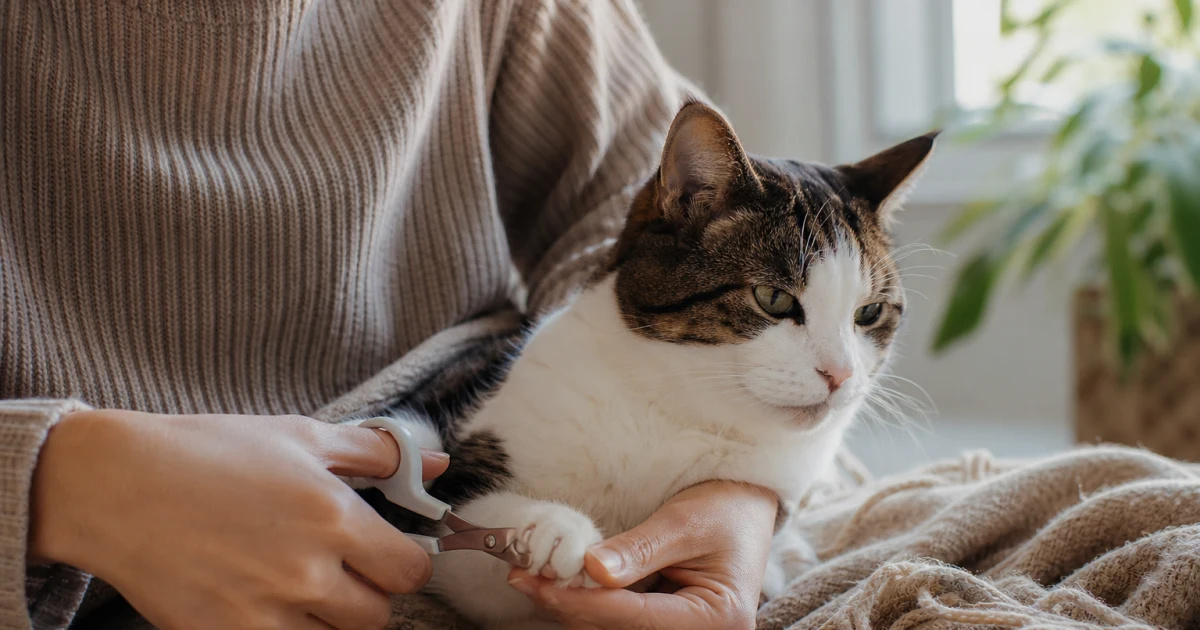
Scissor vs Guillotine Cat Nail Clippers: Which Is Easier to Use?
Scissor and guillotine cat nail clippers can both work well, but the easier choice depends on how clearly you need to see the nail, how steady your cat remains, and whether you are trimming dew claws.
7 min read

Dogs · Walking & Travel
Dog Travel Water Bottle vs Collapsible Bowl: Which Fits Your Trips?
A dog travel water bottle carries and serves water in one item, while a collapsible bowl gives your dog a familiar open drinking surface but needs a separate water source. Choose the bottle for moving stops and limited water access; choose the bowl for longer breaks, shared water, meals, and easy packing. Many travelers benefit from carrying both.
7 min read
Dogs · Feeding
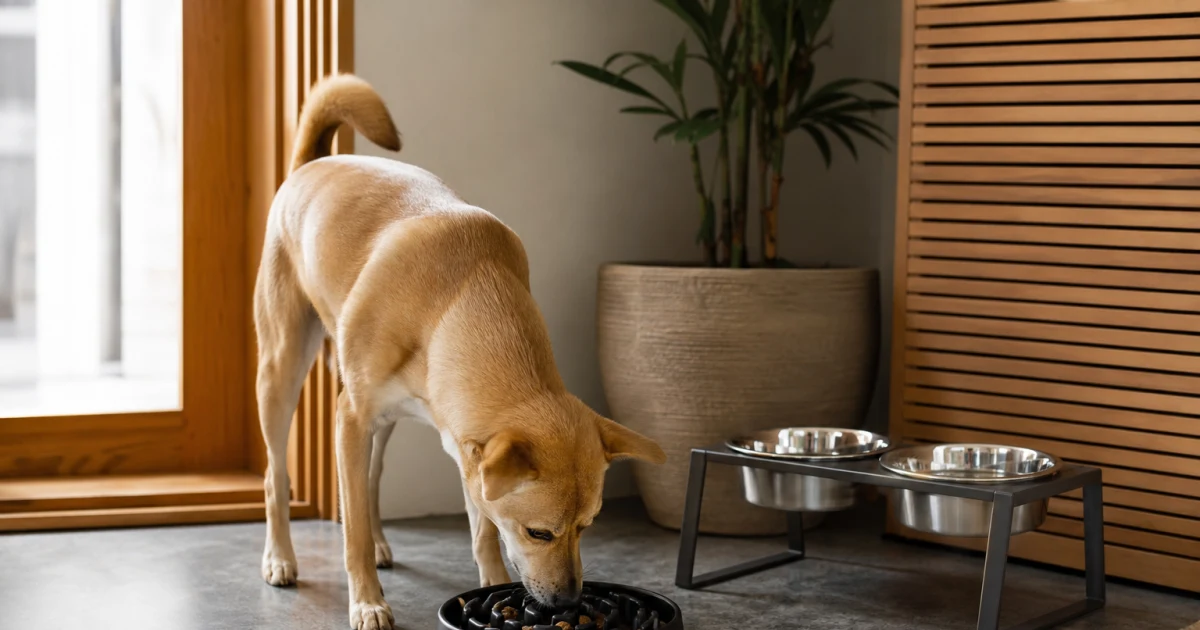
Raised Feeder vs Slow Feeder for Dogs: Which Problem Does Each Solve?
A raised feeder changes how far your dog bends to eat. A slow feeder changes how quickly your dog can eat. Choosing between them depends on whether the problem is posture, rapid gulping, or a veterinarian-diagnosed condition.
8 min read

Dogs · Feeding
Stainless Steel vs Silicone Dog Bowls: Which Is Easier for Daily Use?
Stainless steel is usually the easier everyday dog bowl, while silicone earns its place as a lightweight, quiet, packable option. The best choice depends on whether your priority is home durability or travel convenience.
7 min read

Dogs · Walking & Travel
Rope vs Flat Dog Leash: Which Fits Everyday Walks Better?
Rope leashes can feel comfortable and durable in the hand, while flat leashes are usually easier to manage, clean, and adjust quickly. The better choice depends on your dog’s size, pulling behavior, route, and how much close control you need.
8 min read

Dogs · Walking & Travel
Step-In vs Overhead Dog Harness: Which Is Easier to Put On?
A step-in harness is often easier for head-shy dogs, while an overhead harness can be faster for dogs that dislike paw handling or will not stand still. The better choice depends on your dog’s behavior, body shape, and walking job.
7 min read

Dogs · Walking & Travel
Dog Carrier Backpack vs Sling: Which Fits Short Outings Better?
For a tiny, calm dog and a quick, low-intensity outing, a sling is usually the simpler choice. A backpack is often better when you need more stability, two-shoulder weight distribution, or both hands free. Fit, ventilation, support, and escape prevention matter more than the label on the bag.
8 min read
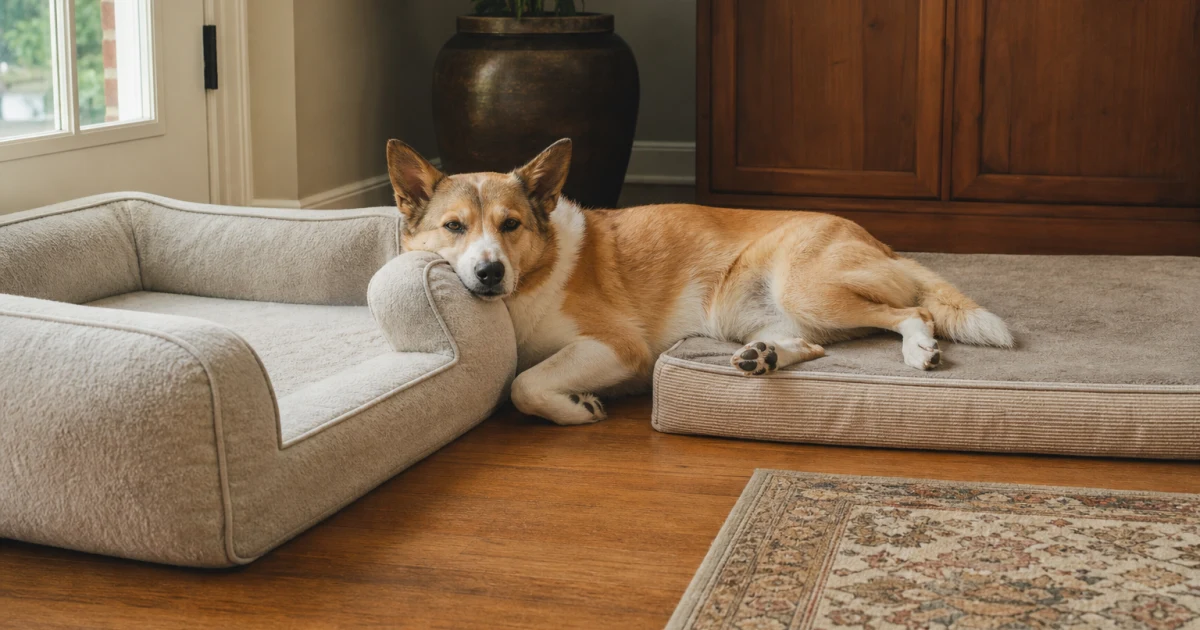
Dogs · Beds & Comfort
Bolster vs Flat Dog Bed: Which Fits Your Dog’s Resting Style?
Bolster beds suit dogs that curl, lean, nest, or rest their head on an edge. Flat beds give sprawlers, warm sleepers, and dogs with limited mobility more open space and easier access. The best choice depends on how your dog actually rests—not which shape looks coziest in a product photo.
7 min read
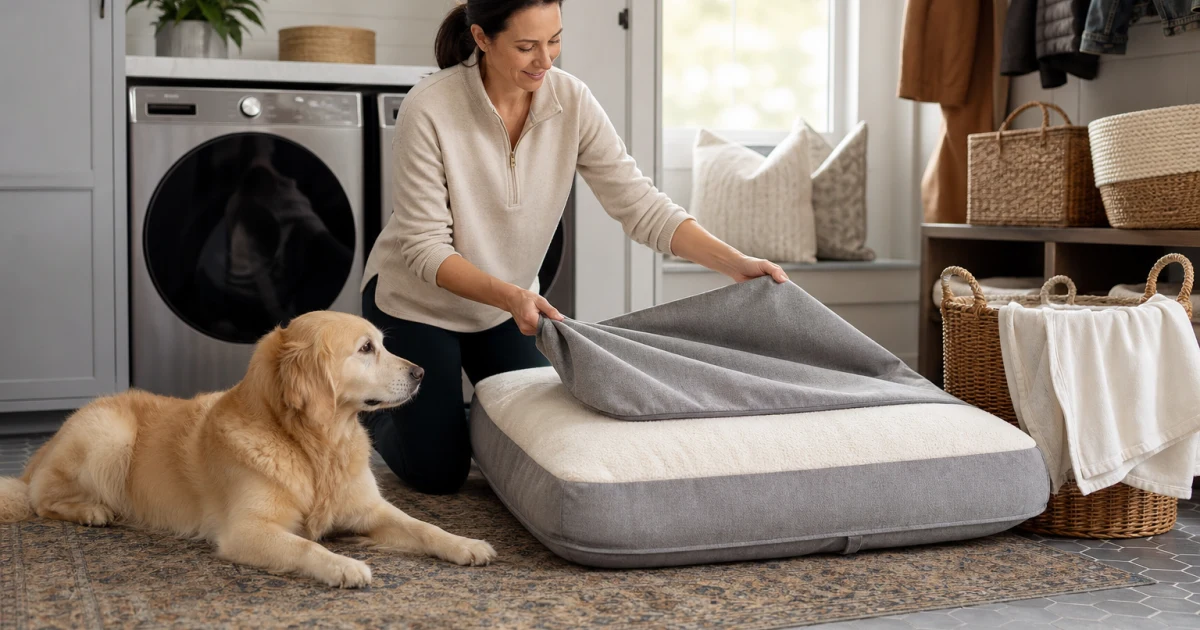
Dogs · Beds & Comfort
Removable-Cover vs One-Piece Dog Bed: Which Is Easier to Keep Clean?
A removable cover usually makes large, supportive dog beds easier to maintain, while a genuinely whole-bed washable design can be simpler for small pads, outdoor use, or frequent accidents. The better choice depends on what gets dirty, what your washer can handle, and how quickly the bed must be ready again.
7 min read
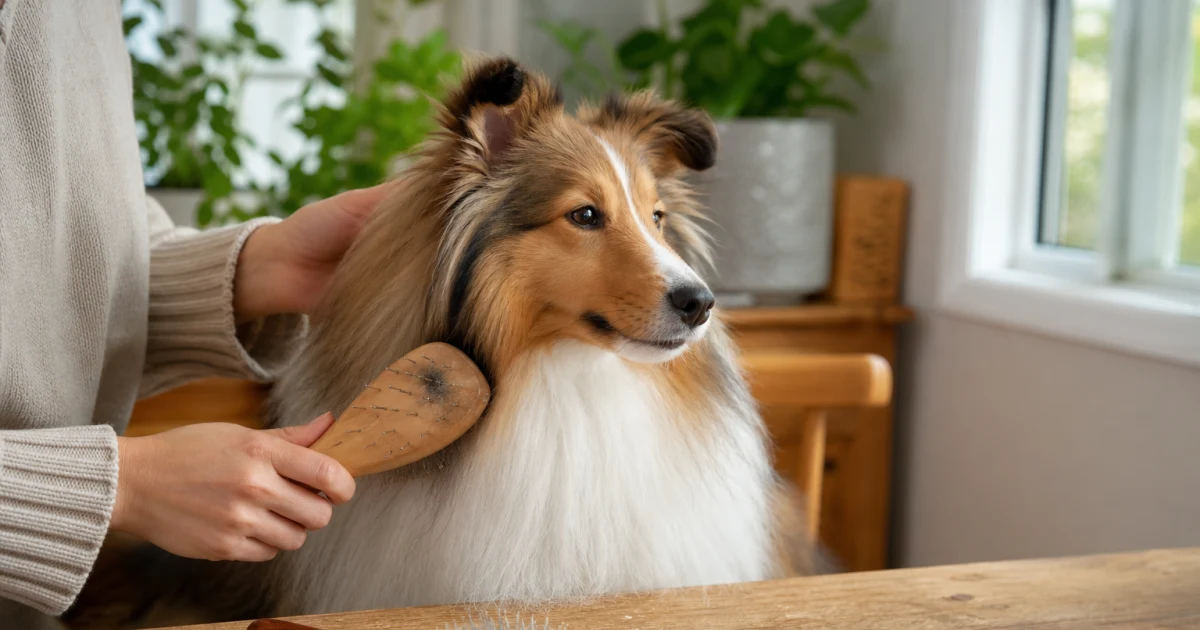
Dogs · Grooming
Pin Brush vs Slicker Brush for Dogs: Which Job Does Each Tool Do?
A pin brush is usually a better everyday tool for working through and finishing longer coats, while a slicker brush is better at separating dense hair, removing loose coat, and preventing small tangles. Many dogs need both, plus a comb to confirm the brush reached the skin.
7 min read
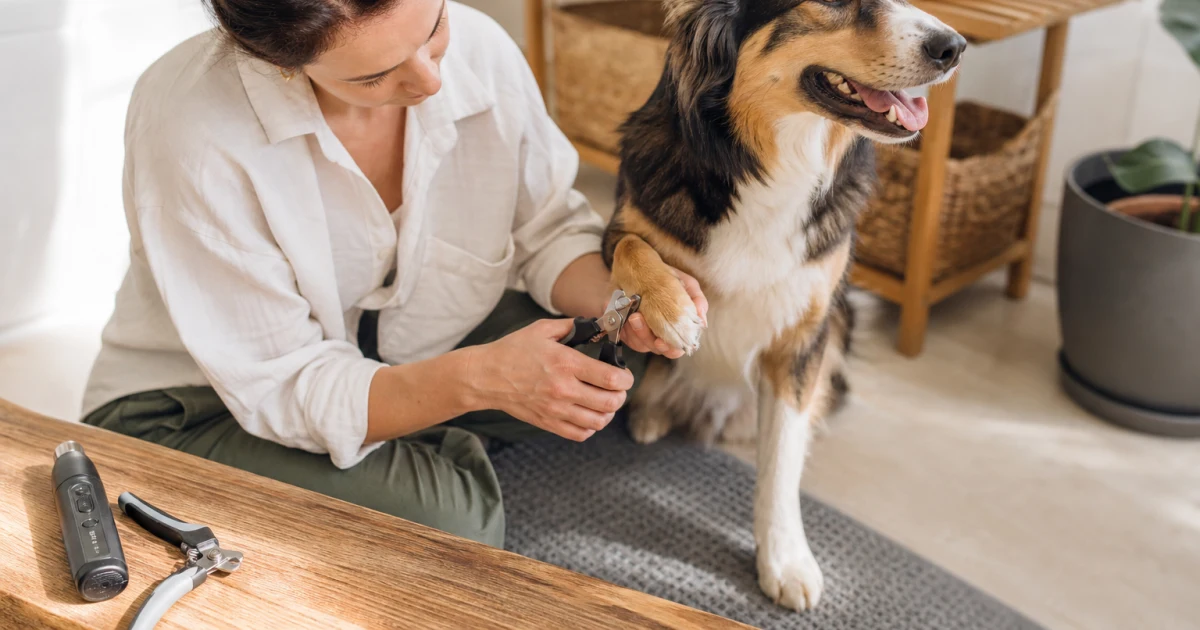
Dogs · Grooming
Dog Nail Grinder vs Clippers: Which Tool Fits Your Routine?
Dog nail grinders remove nail material gradually and leave a rounded edge, while clippers work faster and stay quiet. The better choice depends on your dog’s tolerance, nail visibility, nail thickness, and how confidently you can control the tool.
7 min read
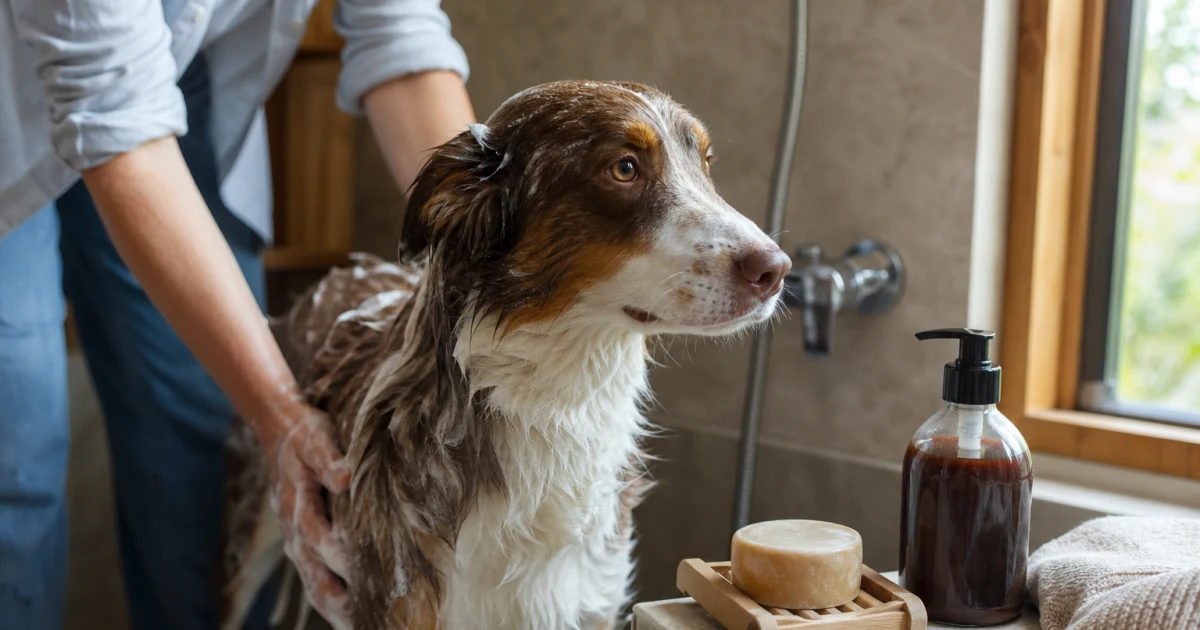
Dogs · Grooming
Dog Shampoo Bar vs Liquid Shampoo: Which Is Easier to Use and Store?
Dog shampoo bars simplify storage and travel, while liquid shampoo usually offers more predictable full-body coverage and a wider choice of routine and veterinary-directed formulas.
7 min read

Dogs · Cleanup
Hard vs Soft Dog Waste-Bag Holder: Which Is Less Annoying on Walks?
Hard holders keep their shape and often dispense cleanly, while soft pouches are quieter, more flexible, and less likely to crack when dropped. The less annoying choice depends on whether your biggest problem is jammed rolls, leash swing, wet weather, or carrying used bags.
7 min read

Dogs · Play & Enrichment
Rope Toy vs Rubber Toy for Dogs: Which Fits Different Play Styles?
Rope toys suit interactive tug and chase, while rubber toys are usually more versatile for chewing, fetching, and food-based enrichment. The better choice depends on how your dog plays and whether they destroy or swallow toy pieces.
7 min read
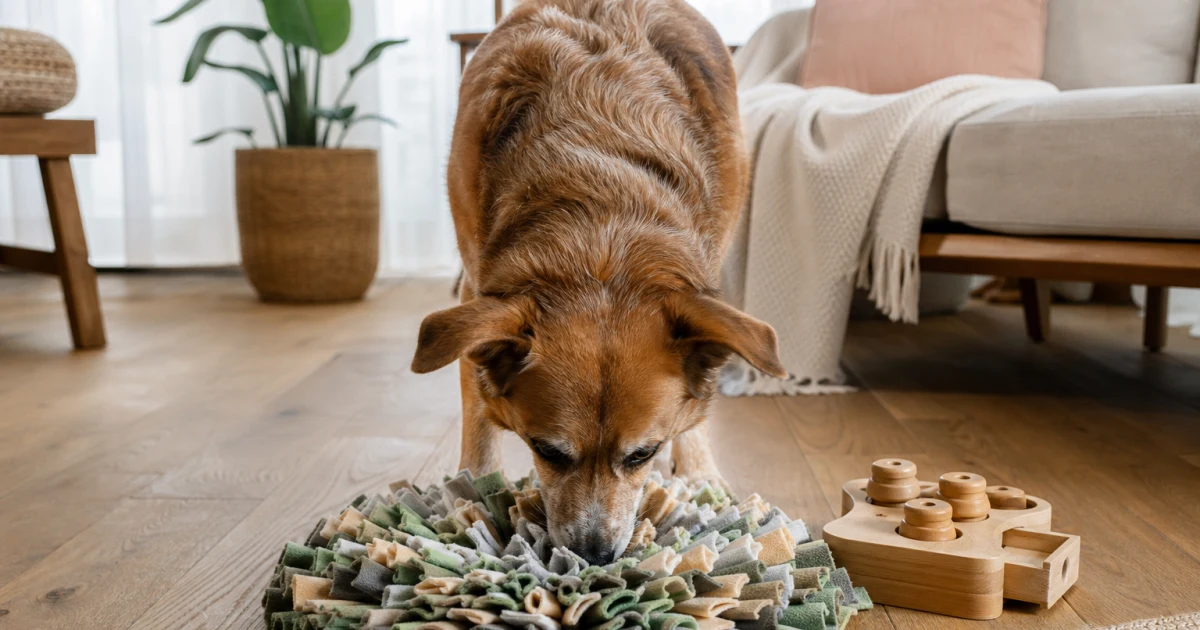
Dogs · Play & Enrichment
Snuffle Mat vs Puzzle Toy for Dogs: Which Adds Better Enrichment?
Snuffle mats make dogs search with their noses, while puzzle toys ask them to move, lift, slide, or roll parts to reach food. The better choice depends on whether your dog needs an easy sniffing activity, a more hands-on challenge, or both.
8 min read

Dogs · Home & Safety
Freestanding vs Pressure-Mounted Dog Gate: Which Fits Your Home?
Freestanding gates are flexible and rental-friendly, while pressure-mounted gates usually give a cleaner fit in standard doorways. The better choice depends on your dog's pushing and jumping behavior, the opening you need to block, and whether the gate must stay fixed.
8 min read
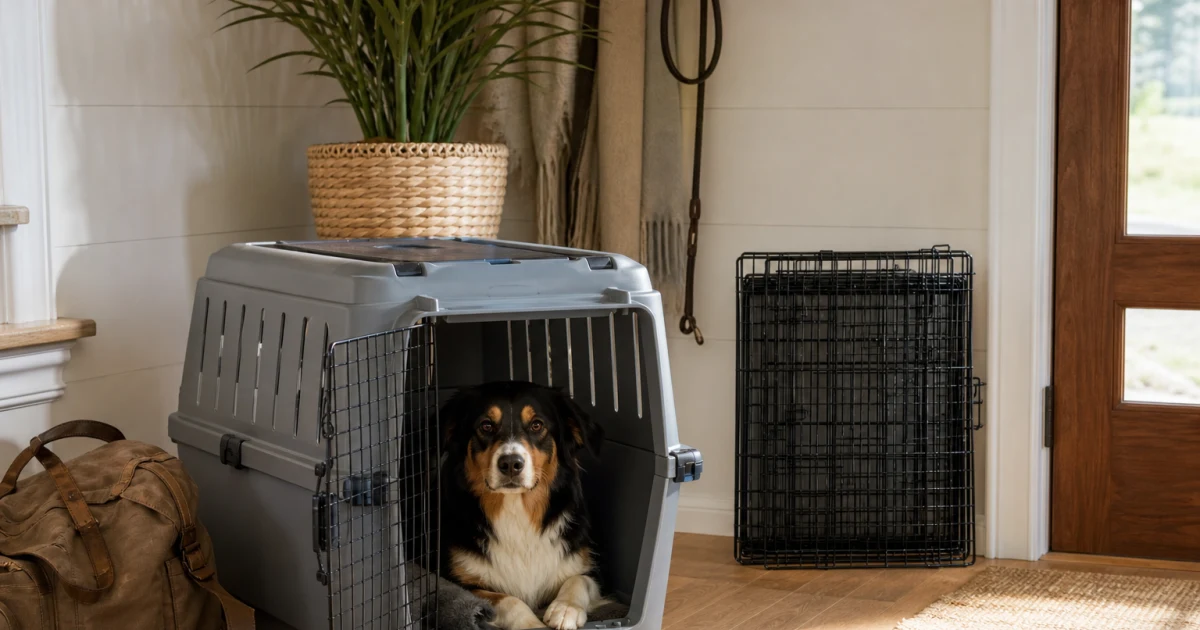
Dogs · Home & Safety
Wire vs Plastic Dog Crate: Which Fits Home and Travel Better?
Wire crates usually suit home training and flexible everyday use, while hard plastic crates often make a better travel-focused den. The right choice depends on your dog’s behavior, your space, and whether air travel is part of the plan.
7 min read
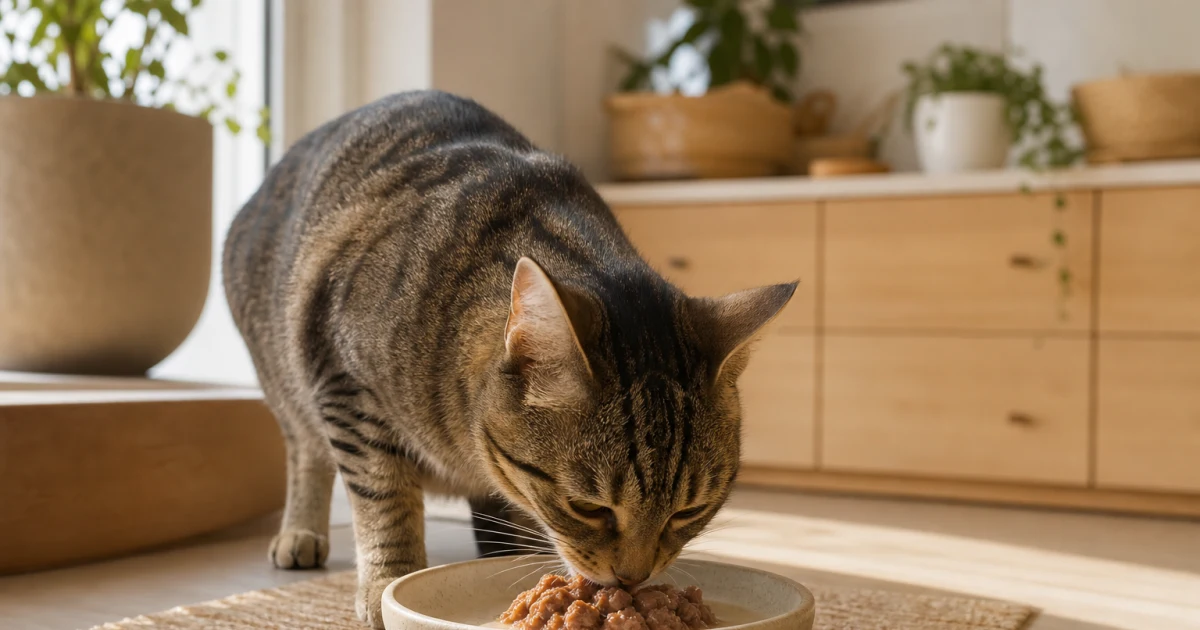
Cats · Feeding & Hydration
Shallow vs Deep Cat Bowl: Which Is Easier for Everyday Feeding?
For most cats, a wide, stable bowl that lets the face stay clear of the sides is the practical starting point. A shallow bowl is often easier for wet food and cats that paw food out, while a deeper bowl can help contain dry food and spills if it is still wide enough. Let your cat’s behavior, body shape and cleaning routine decide.
7 min read
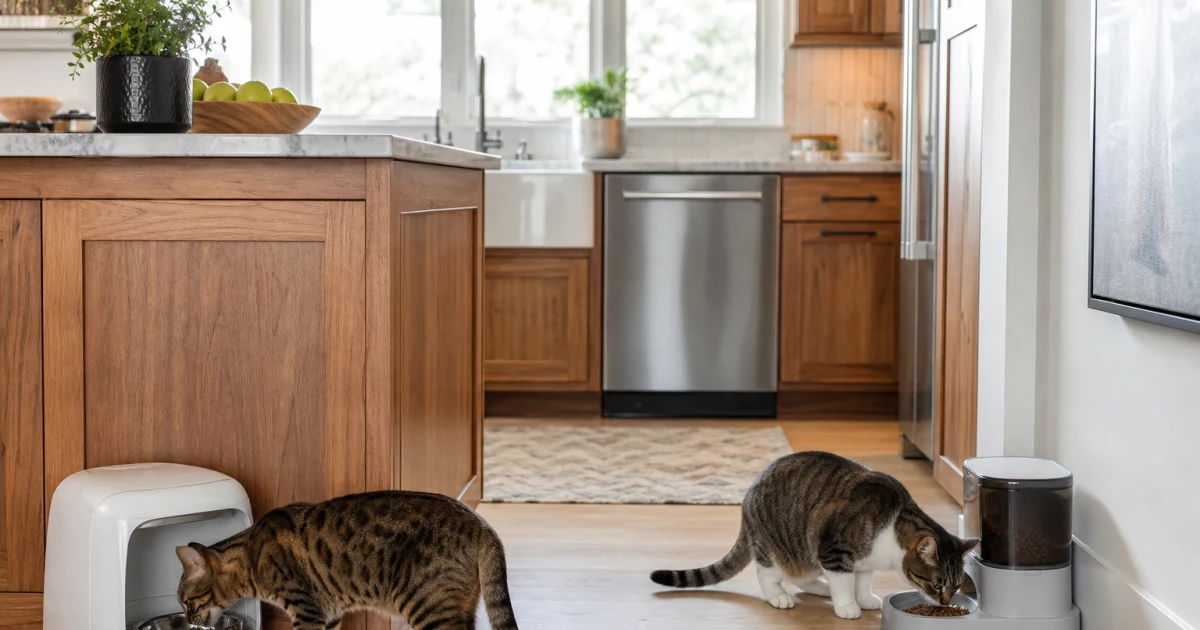
Cats · Feeding & Hydration
Timed vs Microchip Cat Feeder: Which Solves the Right Feeding Problem?
A timed feeder solves schedule and portion problems. A microchip feeder solves access problems. Choose based on whether your main concern is feeding food on time or stopping one cat from eating another cat’s meal.
8 min read
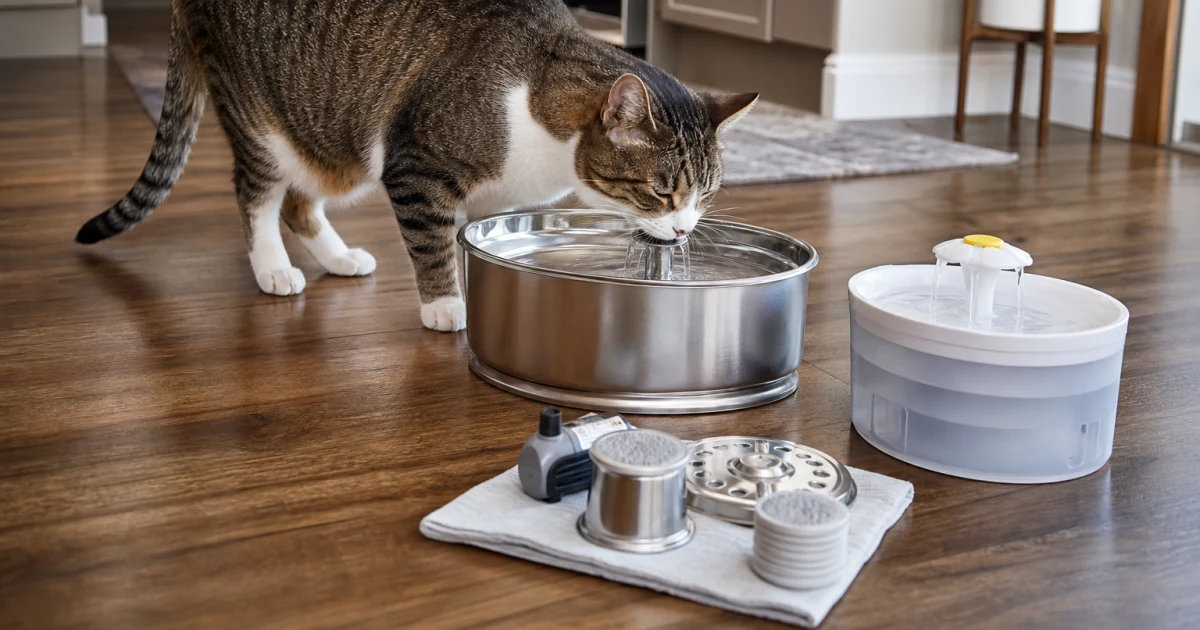
Cats · Feeding & Hydration
Stainless Steel vs Plastic Cat Water Fountain: Which Is Easier to Maintain?
Stainless steel usually makes the drinking surface easier to keep smooth and inspect, but material alone does not determine maintenance. A plastic fountain with fewer parts and better pump access can be easier to clean than a complicated stainless-topped model.
7 min read
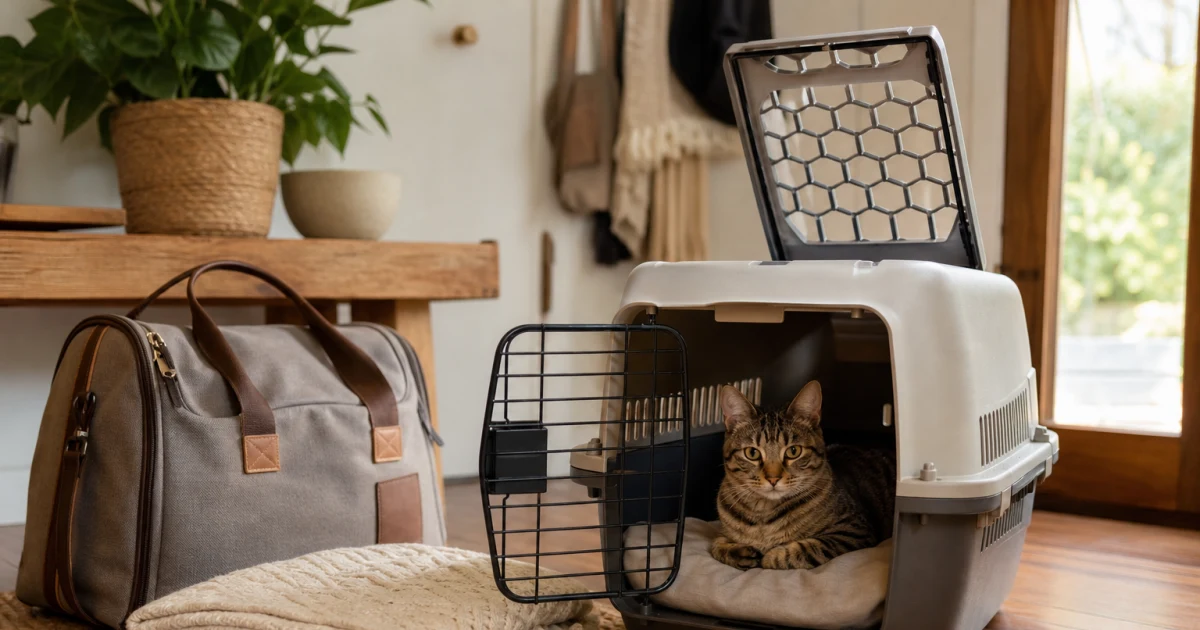
Cats · Travel
Top-Load vs Front-Load Cat Carrier: Which Is Easier for Trips?
Top-load carriers are usually easier when you must place or remove a reluctant cat. Front-load carriers are better for voluntary entry and familiar daily use. For most households, a secure carrier with both openings and a removable top offers the most flexibility.
7 min read
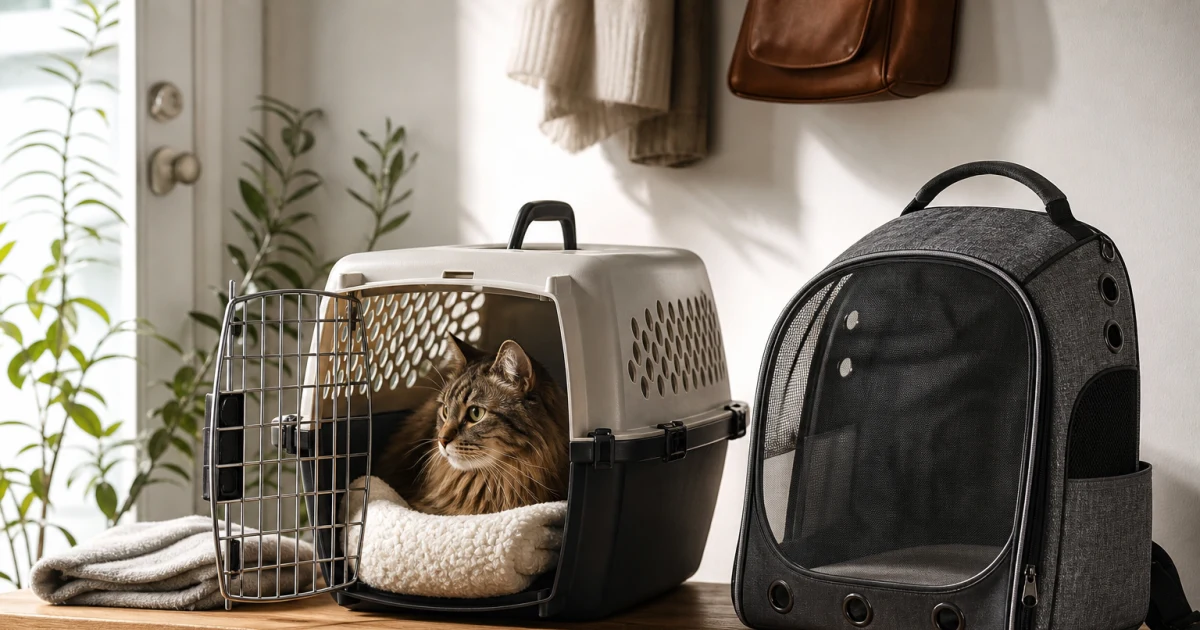
Cats · Travel
Cat Backpack vs Traditional Carrier: Which Fits Your Travel Routine?
A cat backpack can be easier for a person to carry, but a well-designed traditional carrier is usually the more versatile choice for veterinary visits and car travel. Compare space, stability, ventilation, cleaning, entry, and travel routine before deciding.
8 min read
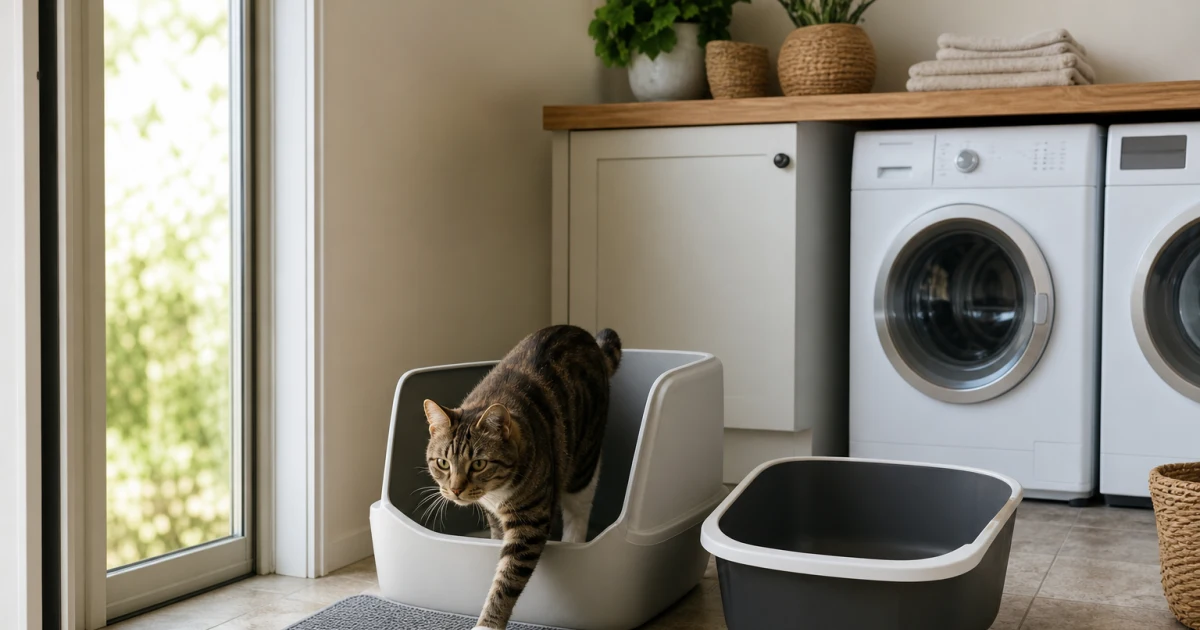
Cats · Litter & Cleanup
High-Sided vs Low-Sided Litter Box: Which Fits Your Cat and Home?
High-sided litter boxes contain scatter and urine better, but low-sided boxes are easier for kittens, senior cats, and cats with limited mobility. The best choice depends on entry height, wall height, box size, and your cat’s habits.
8 min read
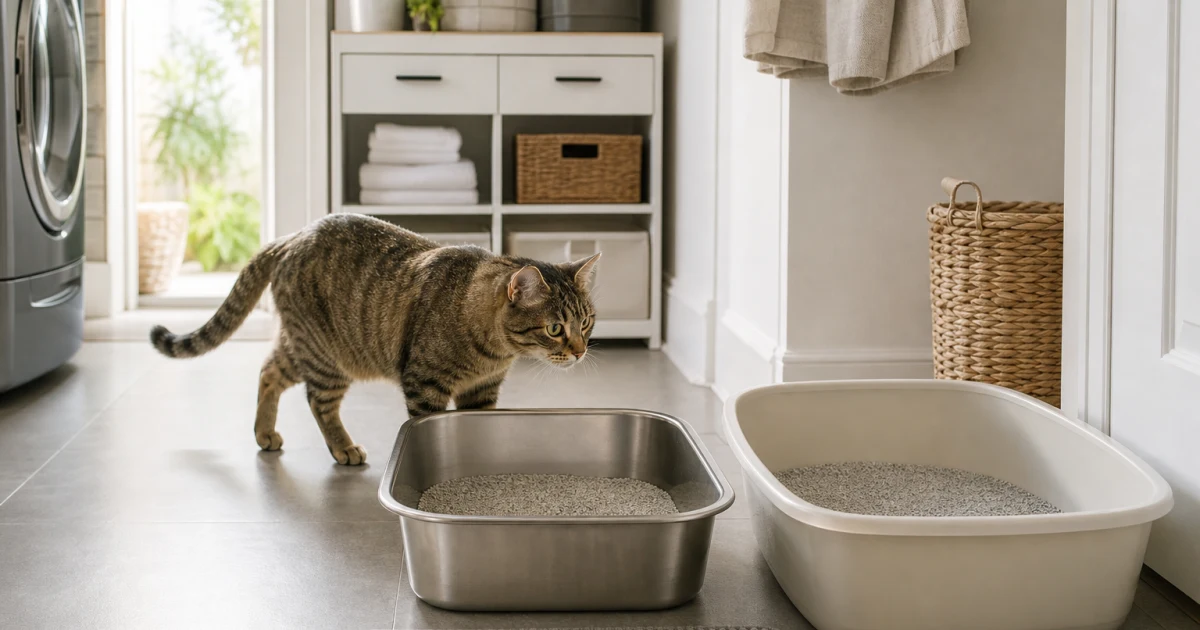
Cats · Litter & Cleanup
Stainless Steel vs Plastic Litter Box: Which Is Easier to Live With?
Stainless steel can be easier to reset when an older plastic box holds odor, but plastic remains lighter, cheaper, quieter, and easier to replace. The best choice is the box your cat will use consistently and that you can keep clean.
7 min read
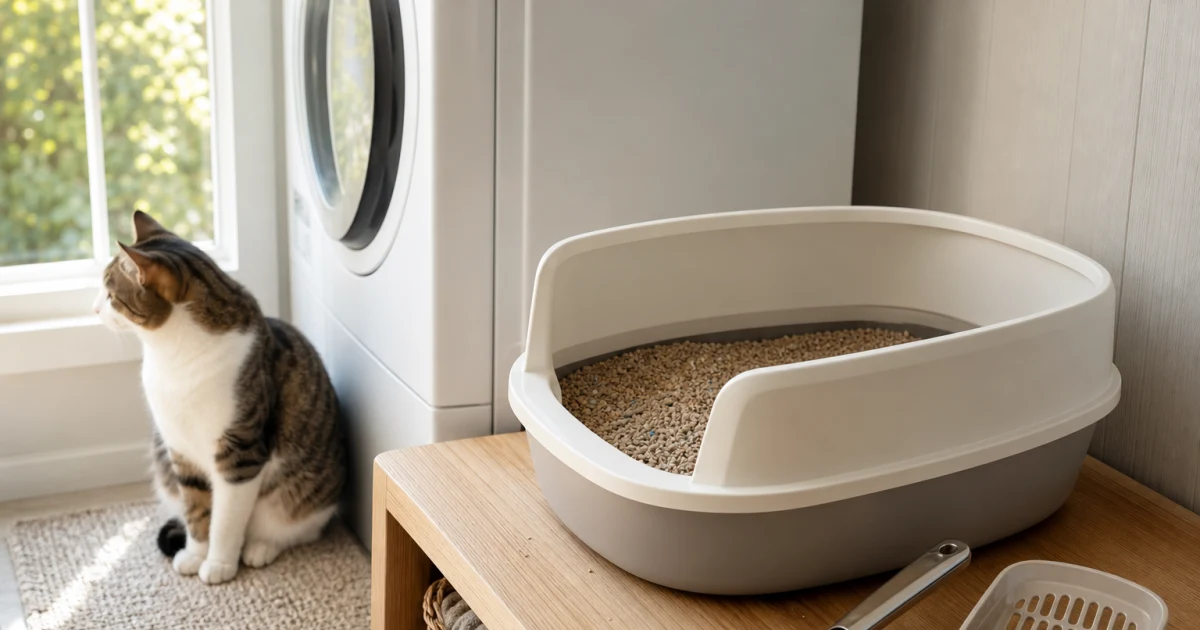
Cats · Litter & Cleanup
Metal vs Plastic Litter Scoop: Which Is More Practical?
Metal litter scoops usually offer more rigidity and easier long-term cleaning, while plastic scoops are lighter, quieter, and often gentler on plastic litter boxes. The best choice depends on your litter, box material, hand comfort, and cleaning routine.
7 min read
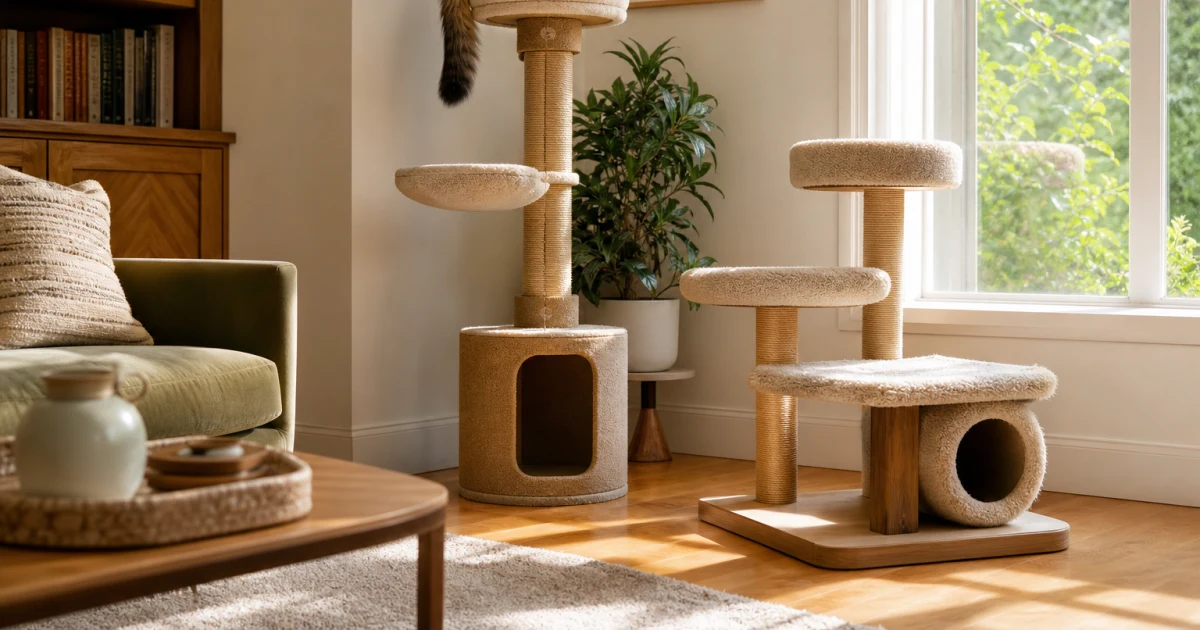
Cats · Play & Enrichment
Tall vs Wide Cat Tree: Which Fits Your Cat and Room Better?
A tall cat tree usually suits homes short on floor space and cats that like to climb or survey the room. A wide cat tree is often easier for large, senior, cautious, or less agile cats because it offers broader platforms and shorter routes. Stability, platform fit, and placement matter more than maximum height alone.
8 min read
Cats · Play & Enrichment
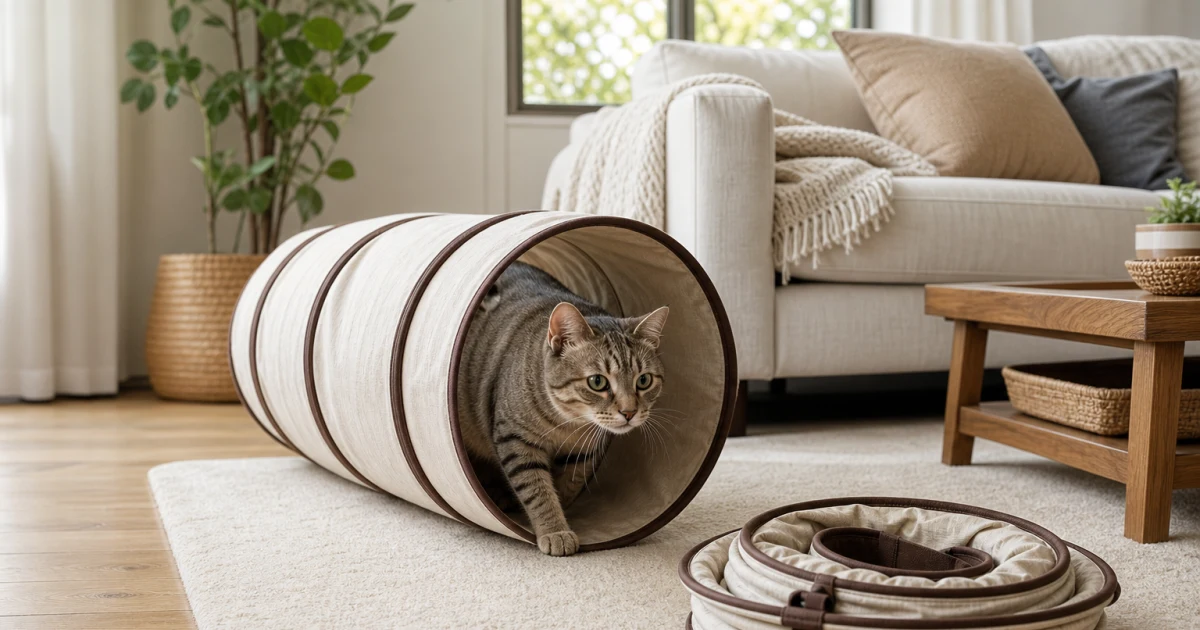
Fabric Cat Tunnel vs Collapsible Tunnel: What Actually Changes?
Fabric and collapsible cat tunnels are not always separate categories. Fabric describes the tunnel’s outer material, while collapsible usually describes its spring-wire frame or fold-flat design. The practical choice comes down to how much structure, storage convenience, washability, and daily use your cat needs.
8 min read
Cats · Play & Enrichment
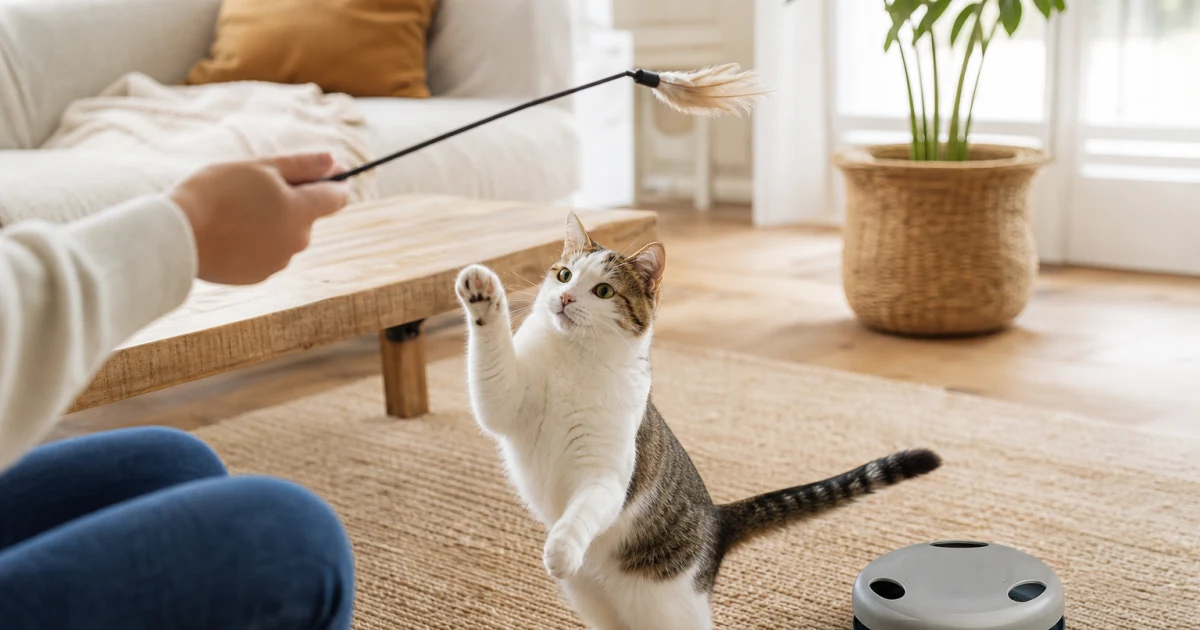
Wand Toy vs Automatic Cat Toy: Which Fits Interactive Play Better?
Wand toys usually offer the most responsive, human-led play, while automatic toys can add activity when you are busy or away. The better choice depends on whether your priority is shared interaction, independent stimulation, or a combination of both.
8 min read
Cats · Grooming
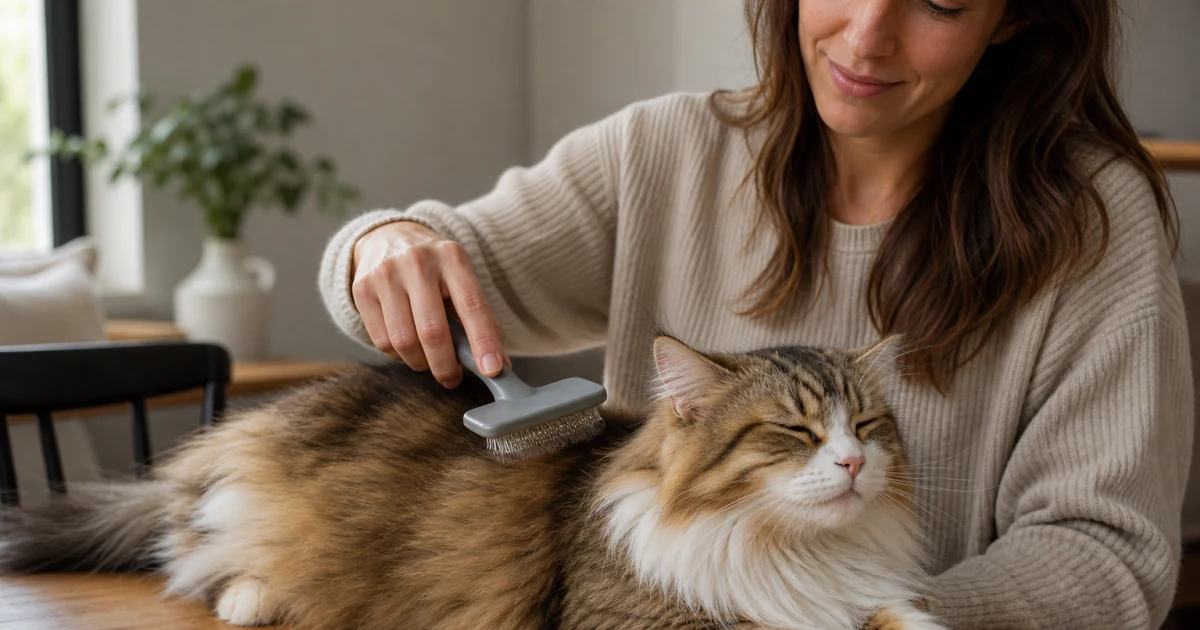
Slicker Brush vs Rubber Grooming Brush for Cats: Which Job Does Each Do?
A slicker brush and a rubber grooming brush do different jobs. Slickers reach deeper into medium and long coats to lift loose hair and smooth minor tangles, while rubber brushes offer a gentler, surface-level groom that many short-haired or brush-sensitive cats tolerate better.
7 min read
Cats · Grooming
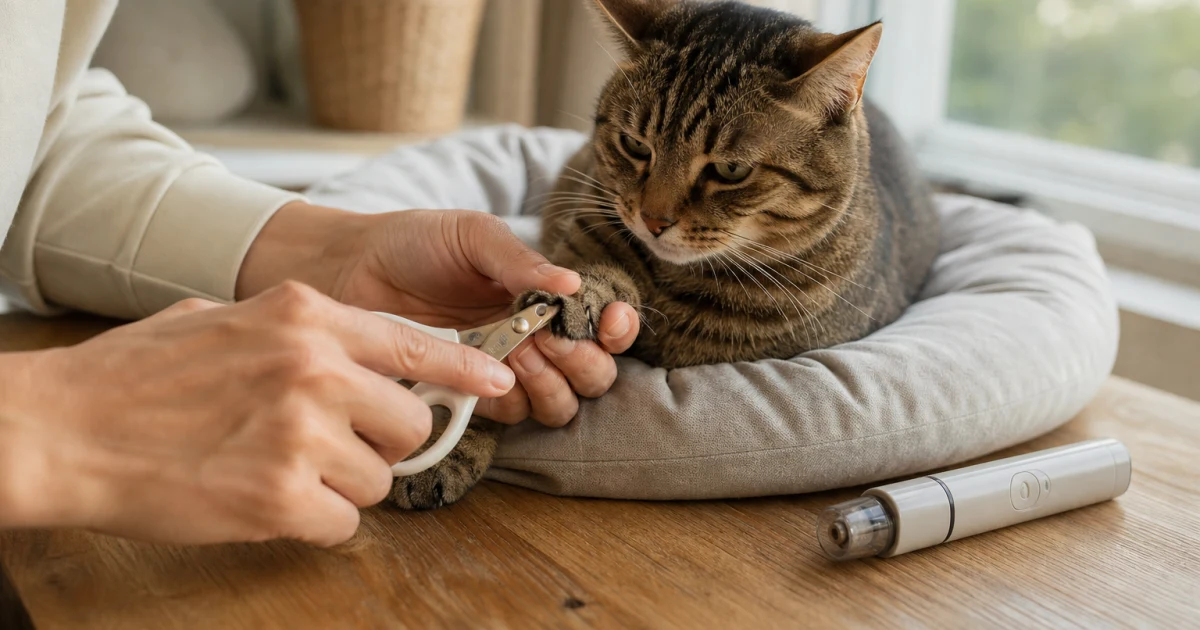
Cat Nail Grinder vs Clippers: Which Tool Is Easier to Control?
Cat nail clippers are usually easier for quick, quiet trims, while grinders offer more gradual control and a smoother edge. The better choice depends on your cat’s tolerance for sound, paw handling, and the tool’s learning curve.
8 min read
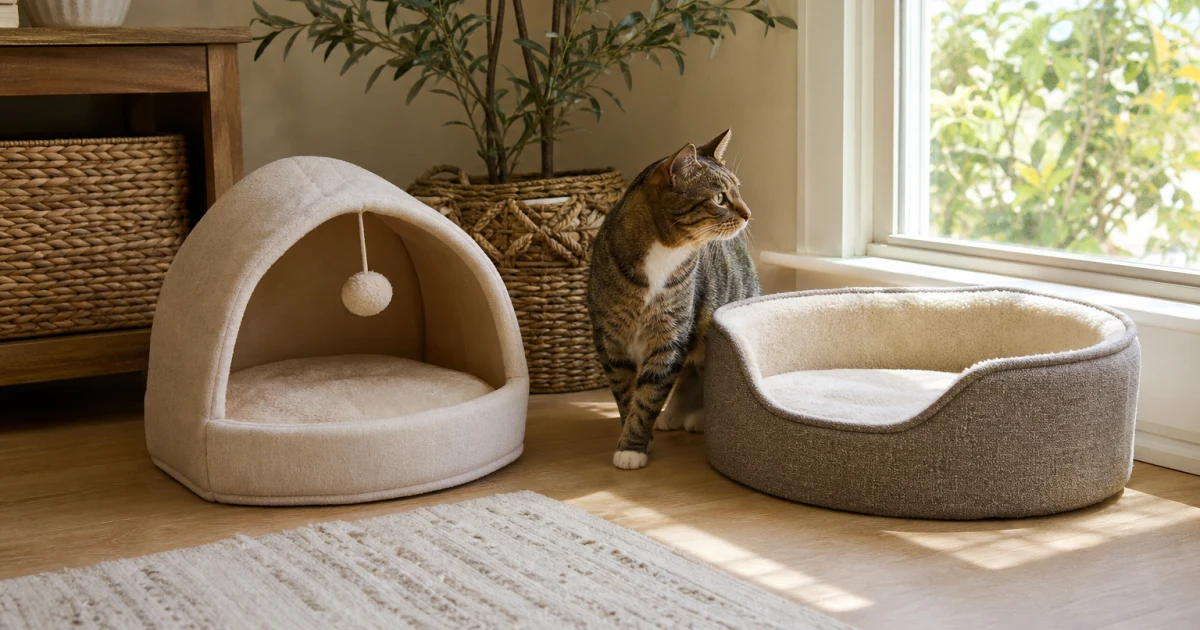
Cats · Beds & Comfort
Cave Bed vs Open Cat Bed: Which Fits Your Cat’s Resting Style?
A cave bed suits cats that seek privacy, warmth, or a sheltered retreat. An open bed is usually better for cats that like to watch the room, stretch out, or need easier access. The best choice depends on where and how your cat already sleeps.
8 min read

Cats · Home & Safety
Suction-Cup vs Sill-Mounted Cat Window Perch: Which Is Easier to Trust?
Suction-cup perches are easier to install and remove, but they depend on clean, smooth glass and ongoing inspection. Sill-mounted models can feel more predictable when the sill and brackets fit correctly, but they need a suitable window ledge and may require adhesive or hardware. The easier perch to trust is the one that matches your window, cat, and willingness to perform regular checks.
8 min read
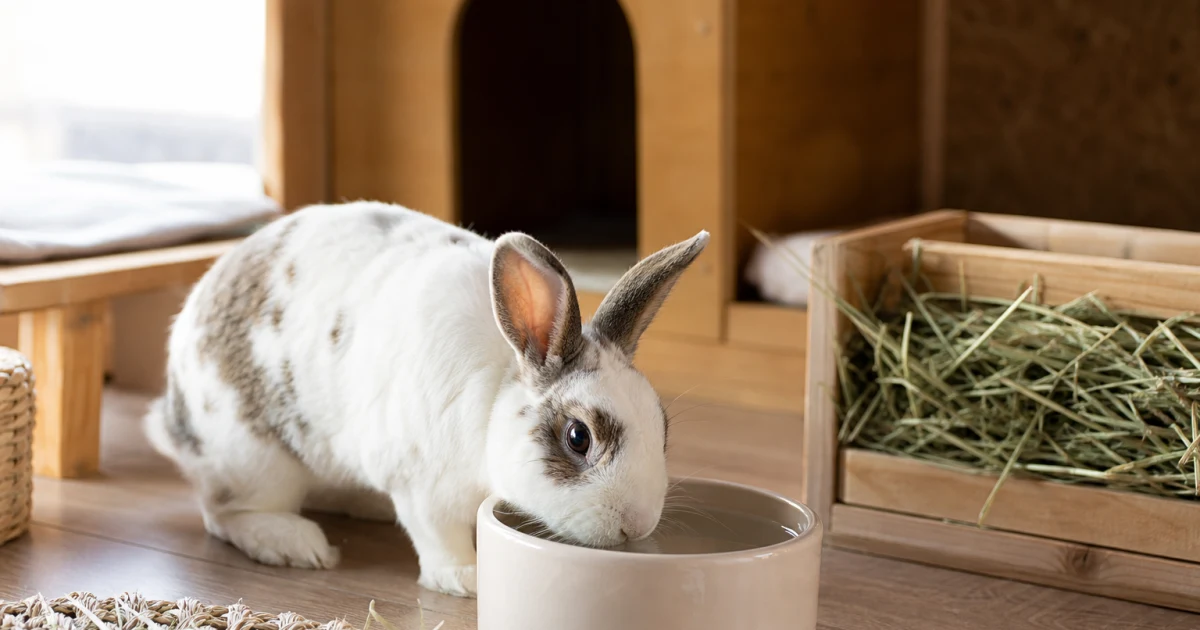
Other Pets · Feeding & Hydration
Water Bowl vs Bottle for Rabbits: Which Setup Is Easier to Monitor?
For many rabbits, a heavy water bowl is easier to drink from and may encourage greater water intake. A bottle can be cleaner in messy enclosures or useful for rabbits that develop wet chins. The easiest setup to monitor is usually the one your rabbit reliably uses, checked at least twice daily, with a backup during transitions.
6 min read
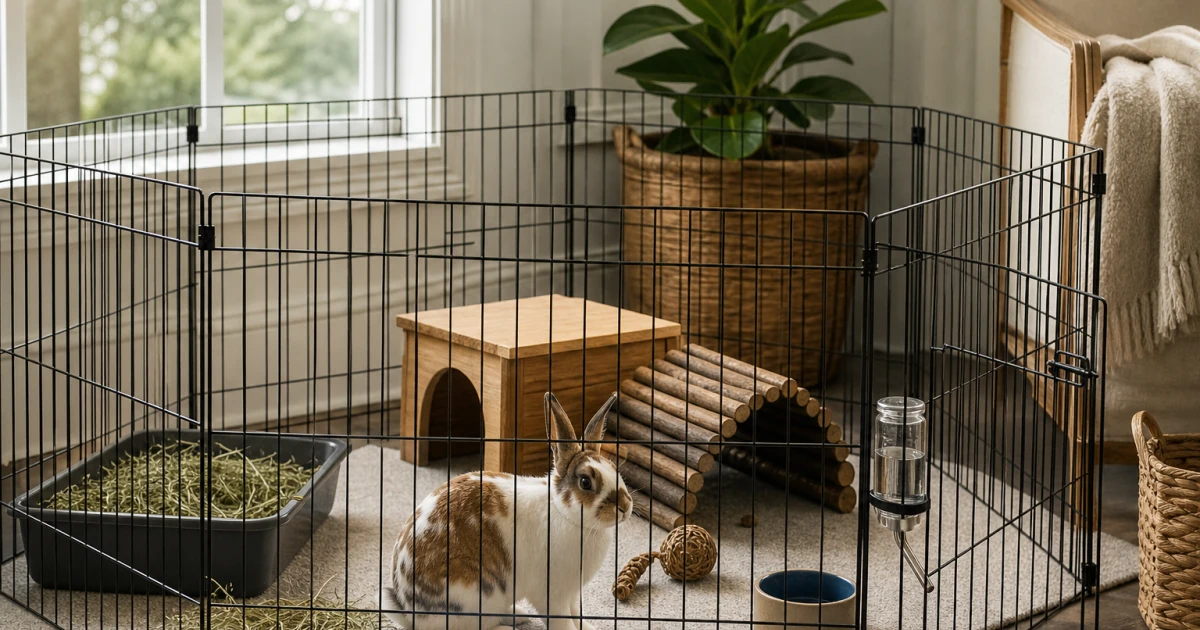
Other Pets · Home & Safety
Metal vs Fabric Rabbit Playpen: Which Fits Indoor Use Better?
For most indoor rabbits, a sturdy metal exercise pen is the safer primary enclosure because it resists chewing, provides ventilation, and supports useful access doors and modular layouts. A fabric playpen can be convenient for supervised travel or short sessions, but it demands closer inspection for chewing, climbing, trapped limbs, and escape risk.
7 min read
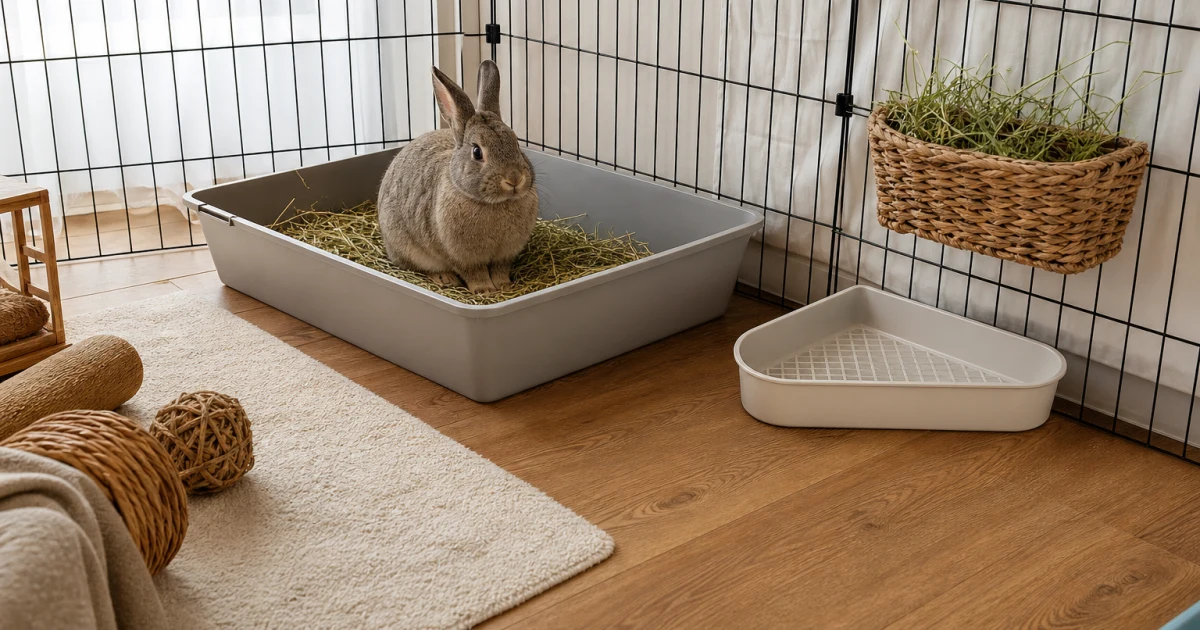
Other Pets · Cleanup
Corner vs Rectangular Rabbit Litter Pan: Which Fits the Enclosure Better?
A corner pan can preserve floor space, but a large rectangular pan is usually easier for a rabbit to use comfortably. Choose by usable interior space and access first, then by shape.
7 min read
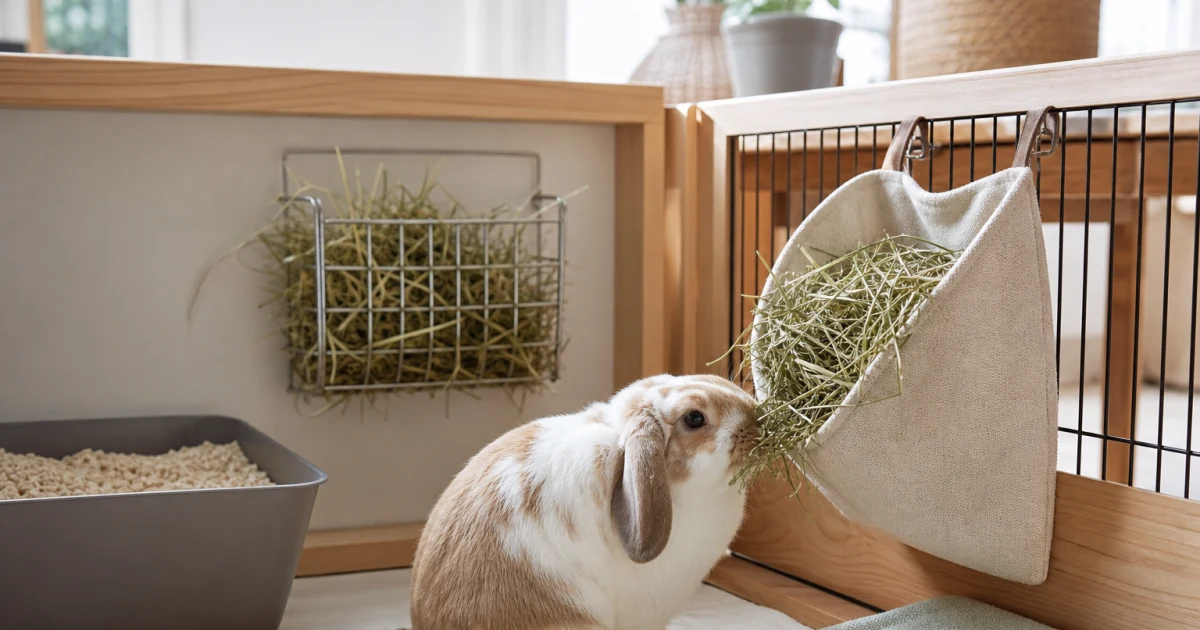
Other Pets · Feeding
Fabric Hay Bag vs Metal Hay Rack for Rabbits: Which Is Easier to Manage?
A fabric hay bag is often easier to remove and wash, while a metal hay rack is usually easier to inspect and less vulnerable to chewing. The better choice depends on your rabbit’s habits, enclosure, and cleaning routine.
7 min read
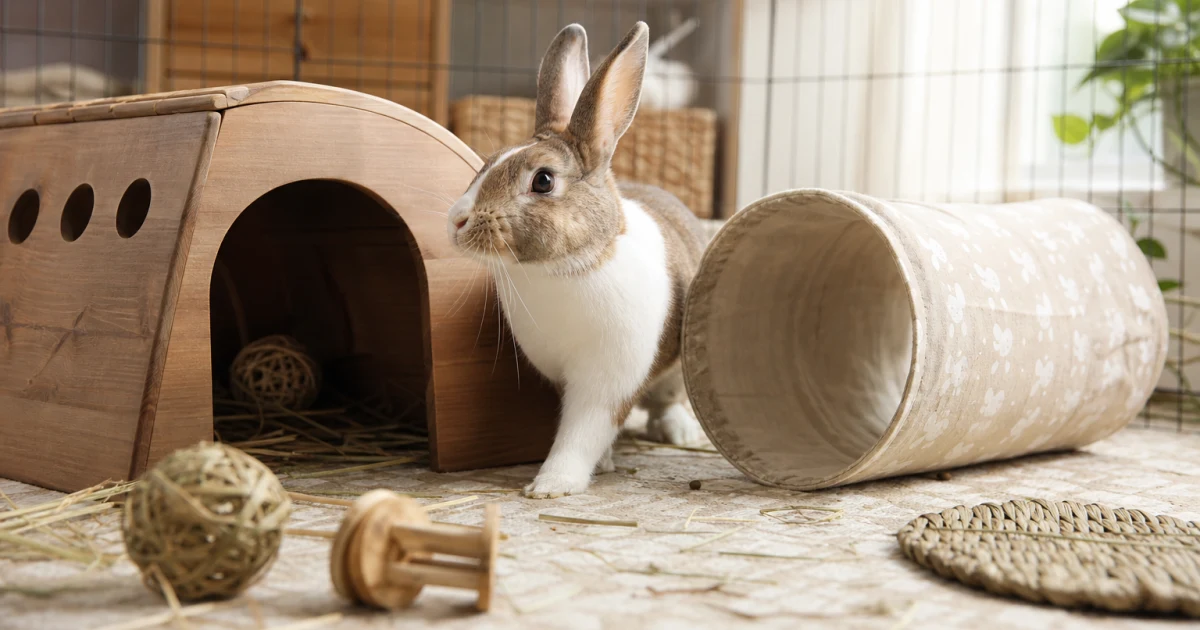
Other Pets · Beds & Comfort
Wood vs Fabric Hideout for Rabbits: Which Fits Daily Use Better?
Wooden hideouts usually work better as a durable daily shelter, while fabric tunnels can add flexible enrichment when your rabbit does not chew or ingest the material. The best choice depends on chewing habits, cleaning needs, ventilation, rabbit size, and whether the hideout has more than one exit.
8 min read
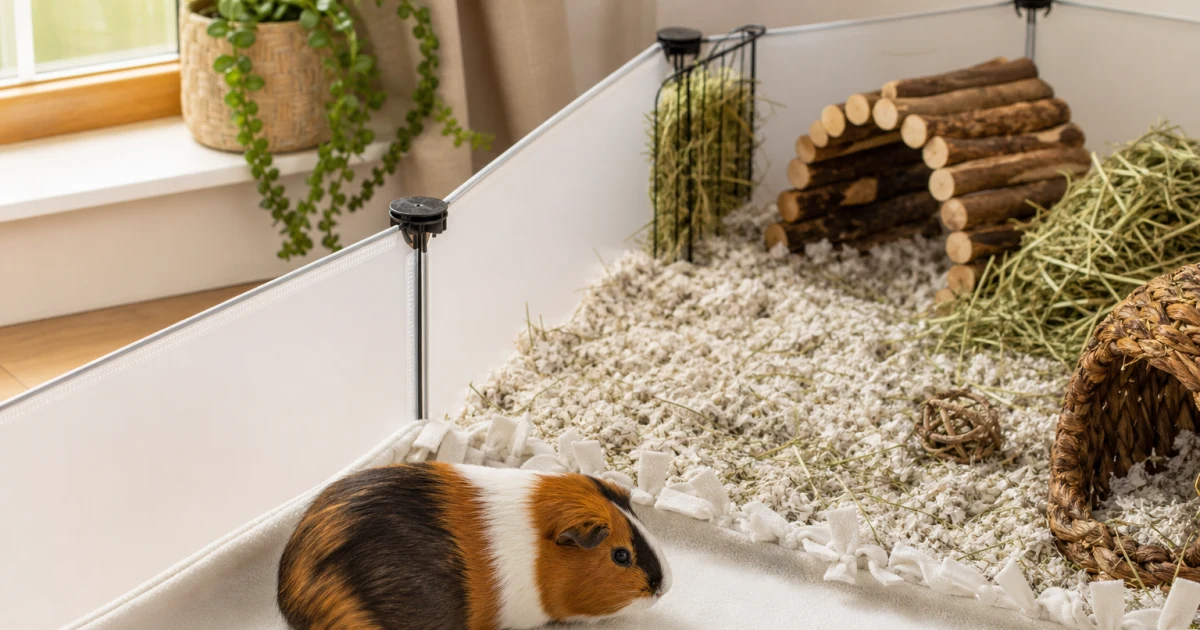
Other Pets · Beds & Comfort
Fleece vs Paper Bedding for Guinea Pigs: Which Trade-Offs Matter?
Fleece and paper can both work for guinea pigs, but they shift the daily workload in different directions. Paper is simpler to replace; fleece can reduce disposable waste but requires a properly absorbent layer, laundry, and careful monitoring for dampness or chewing.
8 min read
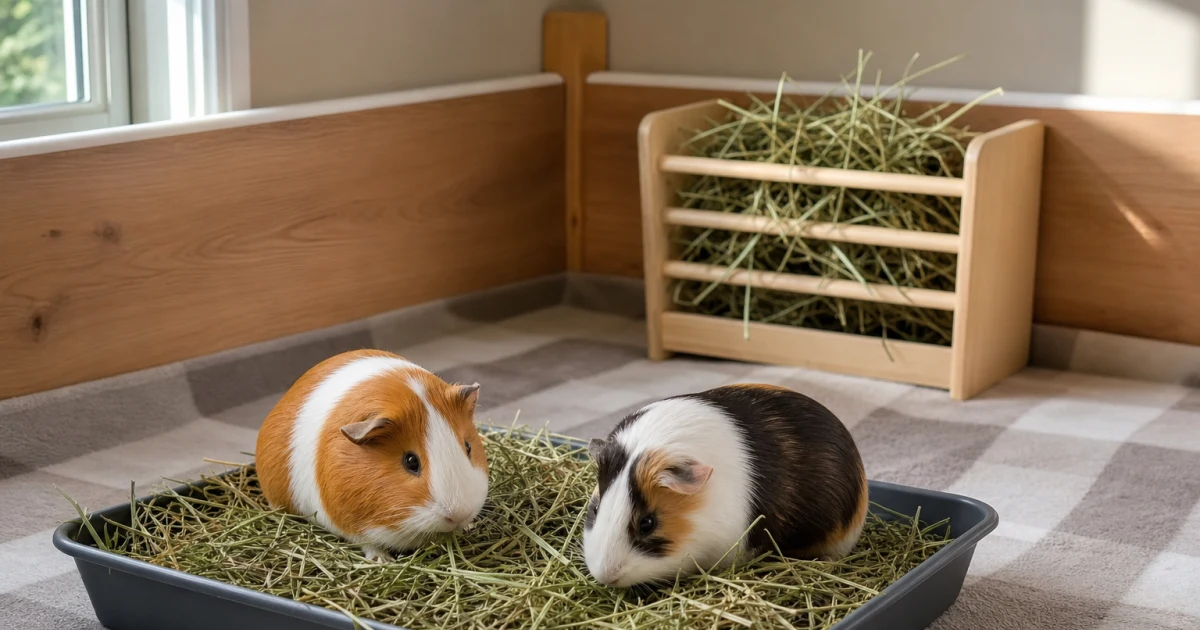
Other Pets · Feeding
Hay Rack vs Loose Hay for Guinea Pigs: Which Is Easier to Maintain?
Loose hay is usually the simpler and more natural default for guinea pigs, but a carefully designed open holder can help some households manage soiling and cleanup. The safest choice depends on access, construction, and how closely you monitor the enclosure.
8 min read
Other Pets · Play & Enrichment
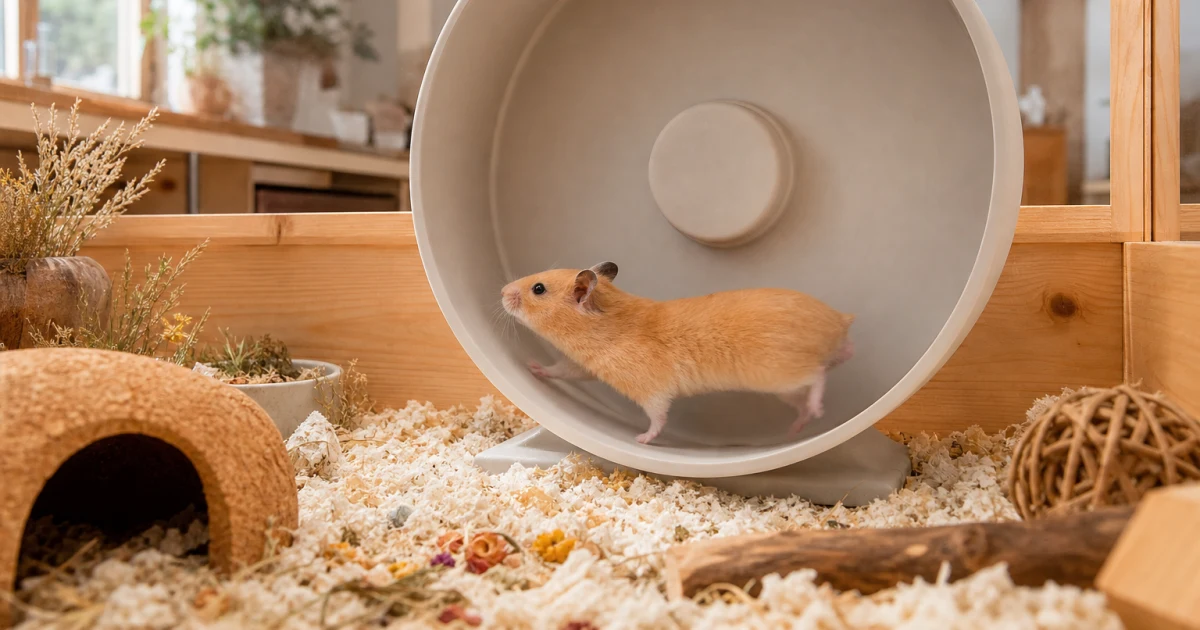
Solid-Surface vs Wire Hamster Wheel: What Should You Look For?
For most hamsters, choose a large upright wheel with a continuous, non-slip running surface rather than wire, bars, or open mesh. The right diameter matters just as much as the surface: your hamster should run with a level back and without lifting its head.
7 min read
Other Pets · Beds & Comfort
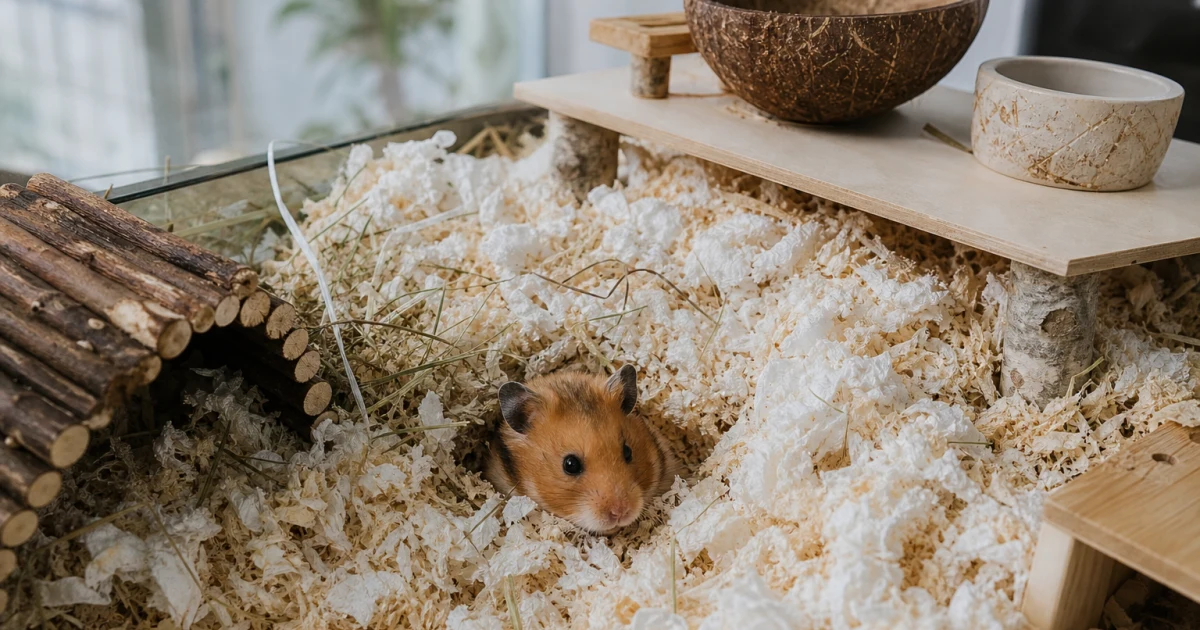
Paper vs Aspen Bedding for Hamsters: Which Fits Your Setup?
Paper bedding is usually the easier starting point for deep hamster burrows, while aspen can add structure, absorbency, and a different texture. The best choice depends on your enclosure, cleaning routine, and how your hamster responds to the material.
7 min read
Other Pets · Habitat
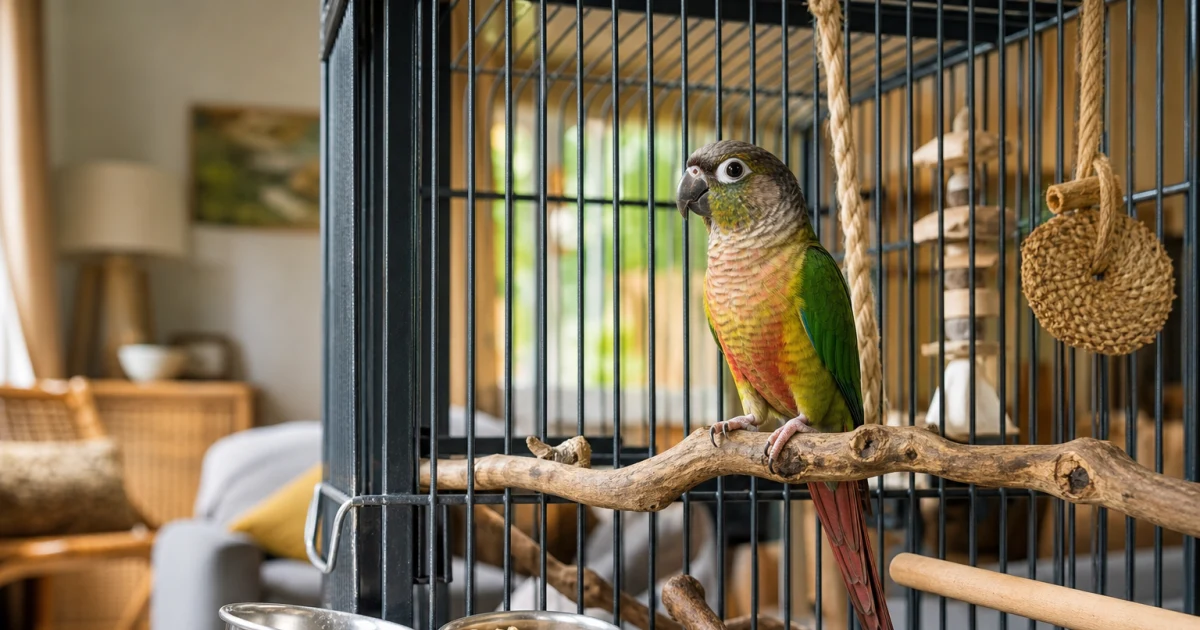
Natural Branch vs Dowel Perches for Birds: What Changes for the Setup?
Natural branch perches usually offer better variation for grip, foot pressure, movement, and chewing. Dowel perches are simple and easy to clean, but a cage built mostly around one smooth diameter can create a less varied setup. The practical answer is usually a combination of correctly sized, safe perches rather than choosing only one material.
8 min read