Shop by pet
Cat products that fit the way cats actually live.
Practical research for litter, hydration, feeding, carriers, grooming, furniture, enrichment, cleanup, and everyday indoor-cat needs.
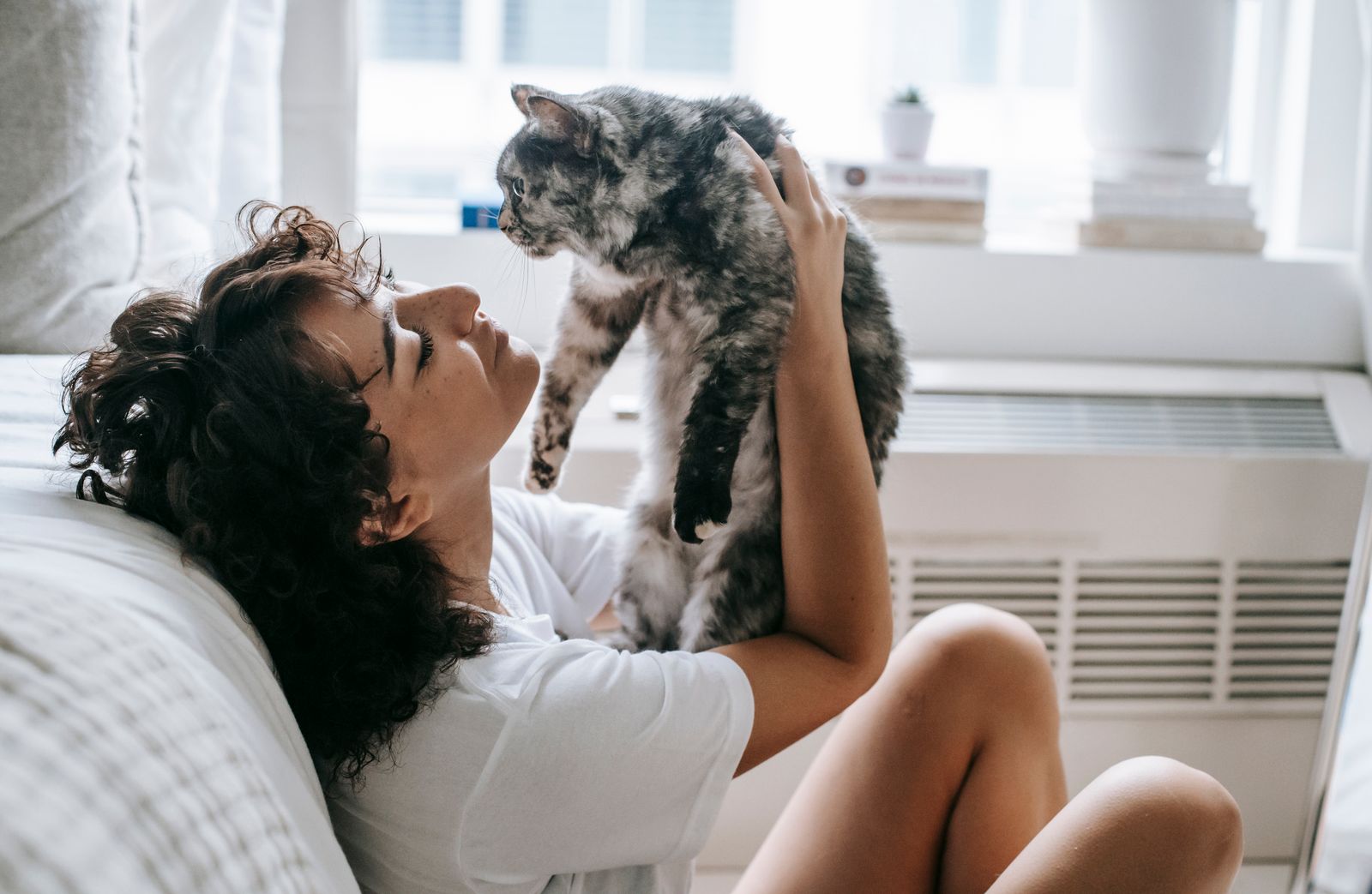
Common shopping needs
Start with the job the product needs to do.
A better product decision starts with the animal, the household, and the specific problem you are trying to solve.
Our approach
Useful before persuasive.
We separate documented specifications from editorial judgment, avoid invented hands-on claims, and make trade-offs visible instead of forcing every comparison into a universal winner.
Shop cats
Current Amazon options for cats households
A small set of live product listings connected to the shopping needs covered on this page. Use the guides below to understand the trade-offs before choosing a specific product.
As an Amazon Associate I earn from qualifying purchases. Product availability, seller, price, and listing details can change.
Latest for cats
Buying guides and comparisons
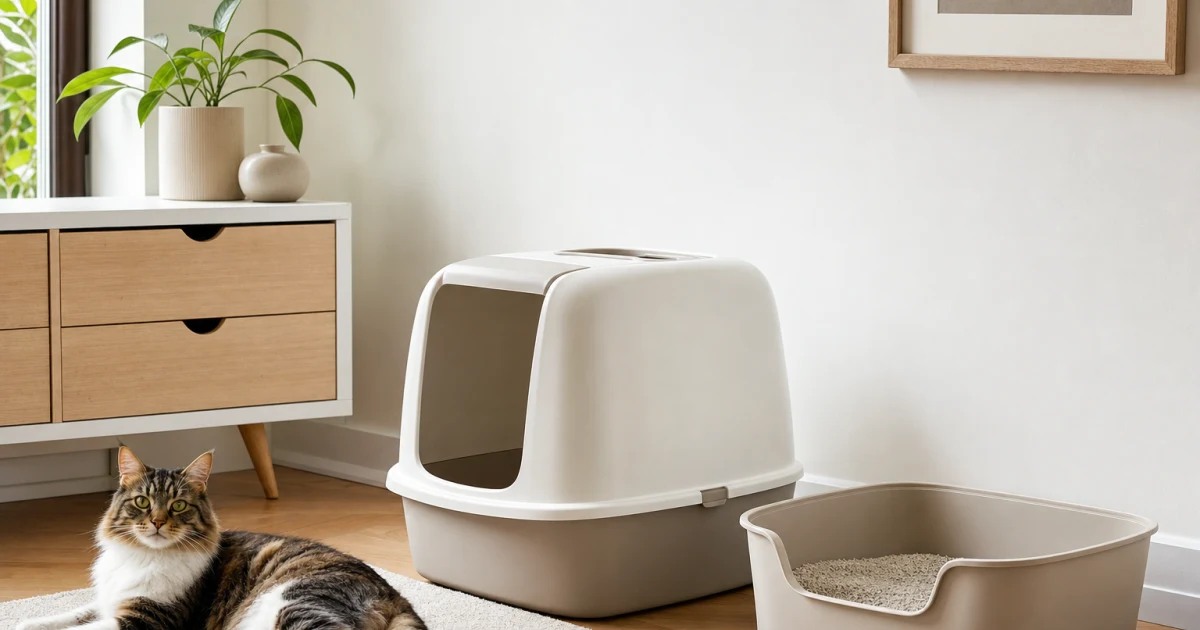
Litter & Cleanup
Covered vs Open Litter Box: Which Setup Fits Your Cat?
Research does not support a simple “cats always prefer open boxes” rule. Cleanliness, size, access, and the individual cat can matter more.
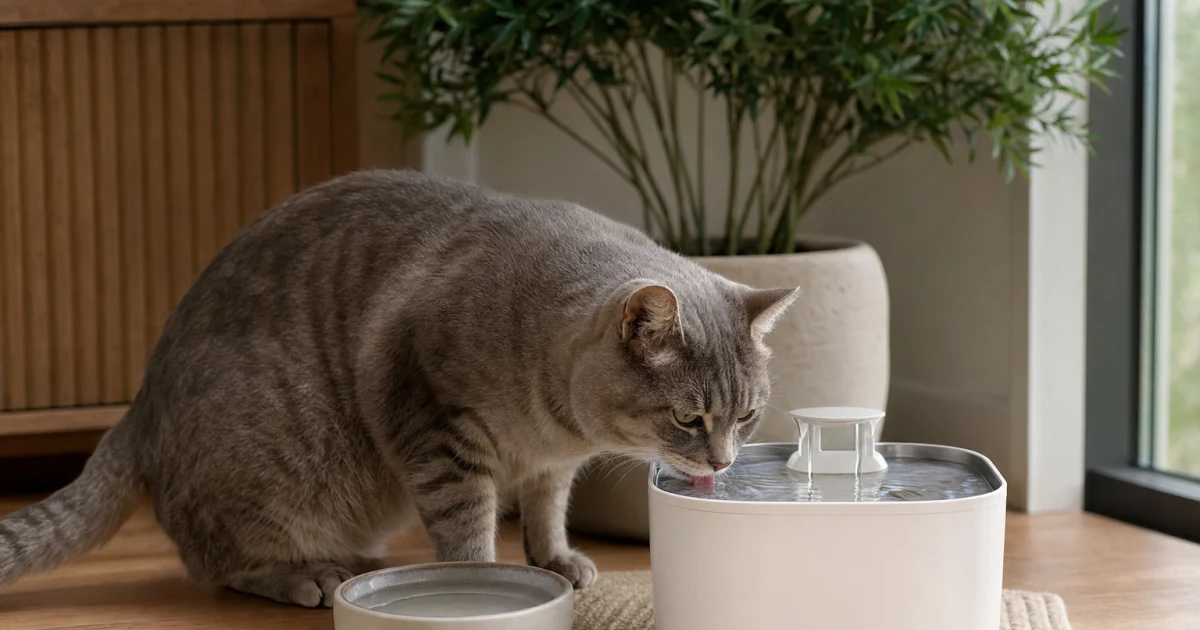
Feeding & Hydration
Cat Water Fountain vs Bowl: Which Is Easier to Live With?
Some cats enjoy moving water, but a fountain is not automatically better. Cleanliness, placement, bowl shape, and your cat’s preference matter.
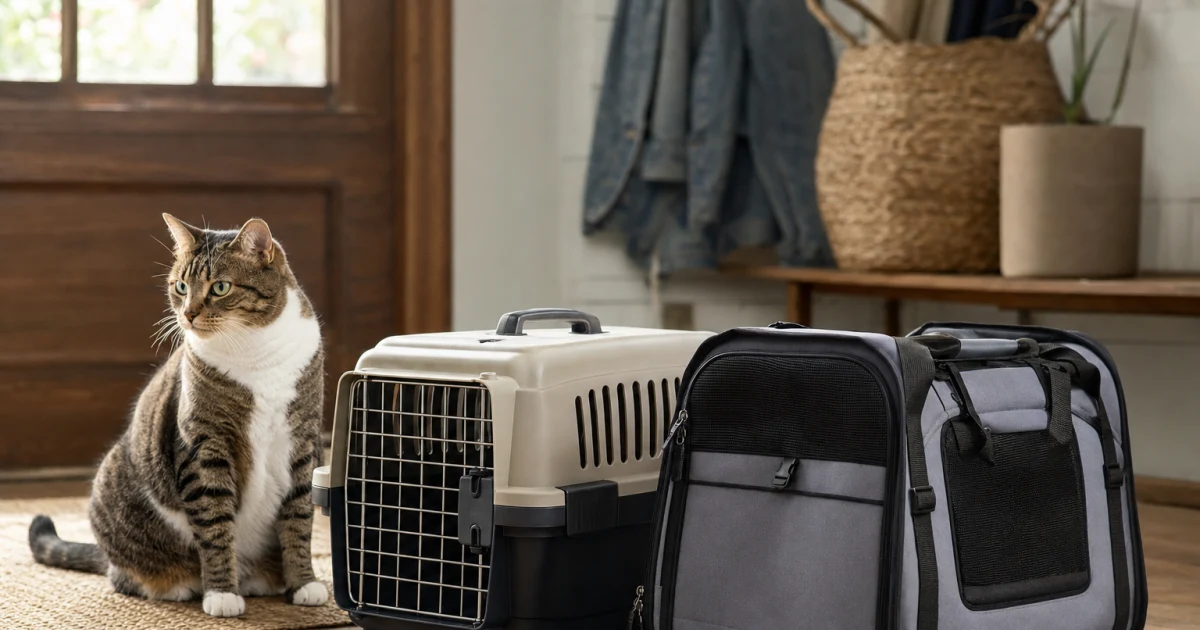
Travel
Hard-Sided vs Soft-Sided Cat Carrier: Which Fits Your Trips?
Hard carriers are usually easier to clean and more protective; soft carriers are lighter and easier to store. The trip determines the better fit.
Feeding & Hydration
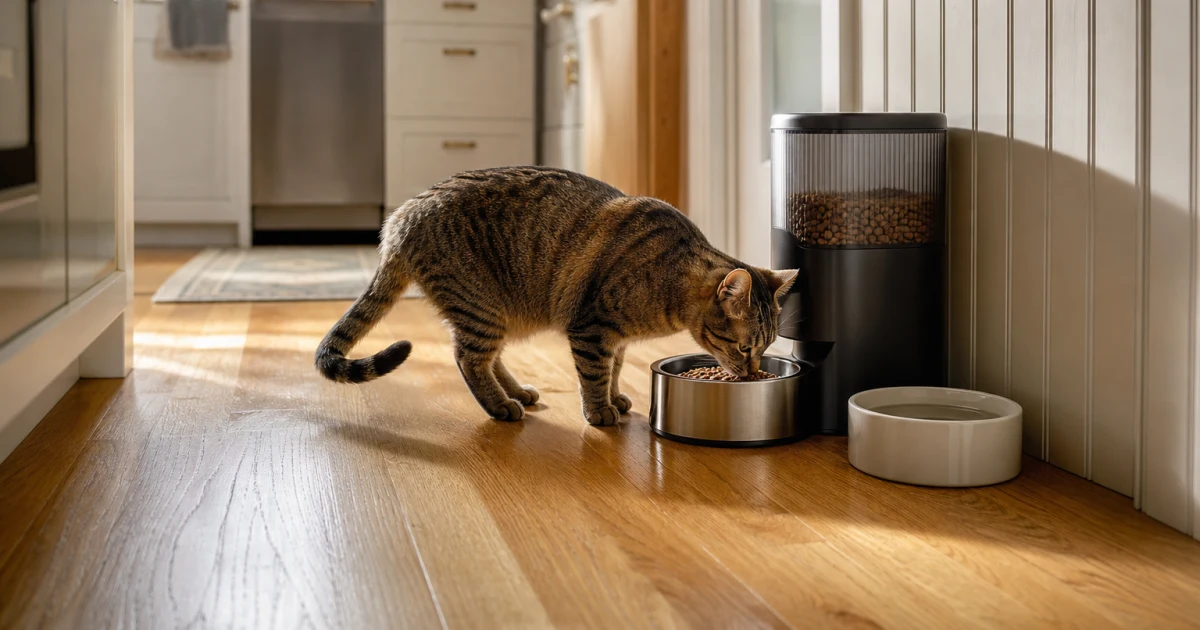
Automatic Feeder vs Regular Bowl for Cats: Which Fits Your Routine?
An automatic feeder is useful when meals must happen on schedule or portions need tighter control. A regular bowl is simpler, more flexible for wet food, and easier to monitor by hand. The right choice depends on your cat’s diet, appetite, household schedule, and need for access control.
Litter & Cleanup
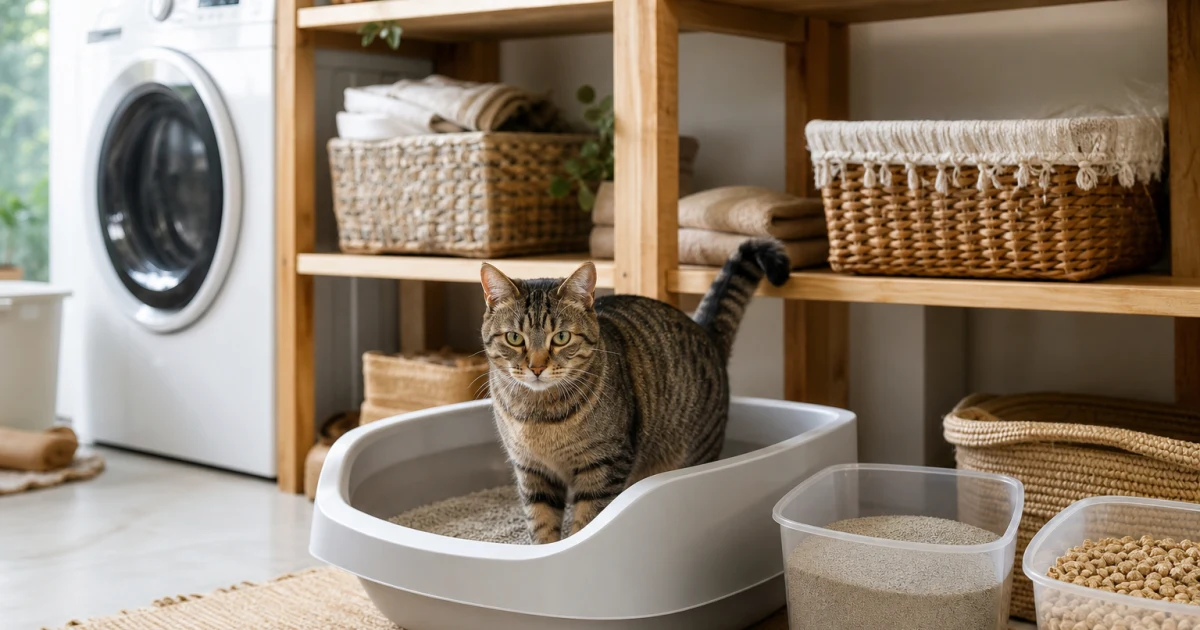
Clumping vs Non-Clumping Cat Litter: Which Is Easier to Live With?
Clumping litter usually makes daily cleanup easier because urine can be removed without replacing the whole box. Non-clumping litter can still suit cats and households that prefer pellets, simpler dumping and refilling, or a specific texture. The better choice depends on your cat’s acceptance and the cleaning routine you can maintain consistently.
Play & Enrichment
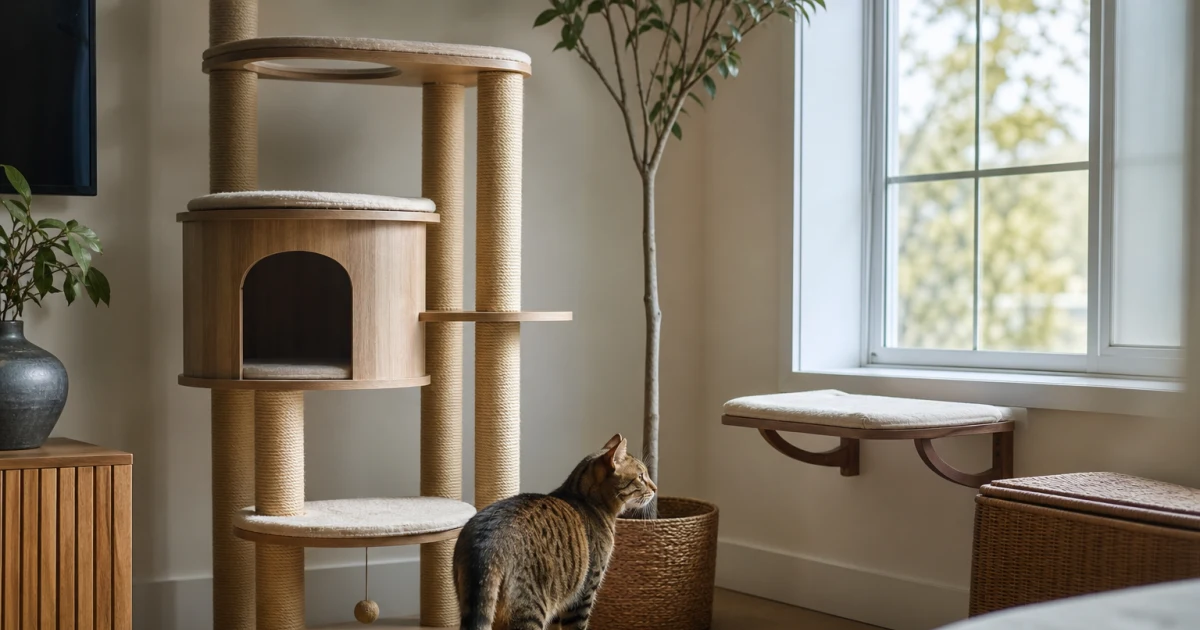
Cat Tree vs Window Perch: Which Better Fits Your Space and Cat?
A cat tree is the more versatile choice for climbing, scratching, hiding, and multi-level movement. A window perch is better when your cat mainly wants a compact resting spot with an outdoor view.
Litter & Cleanup
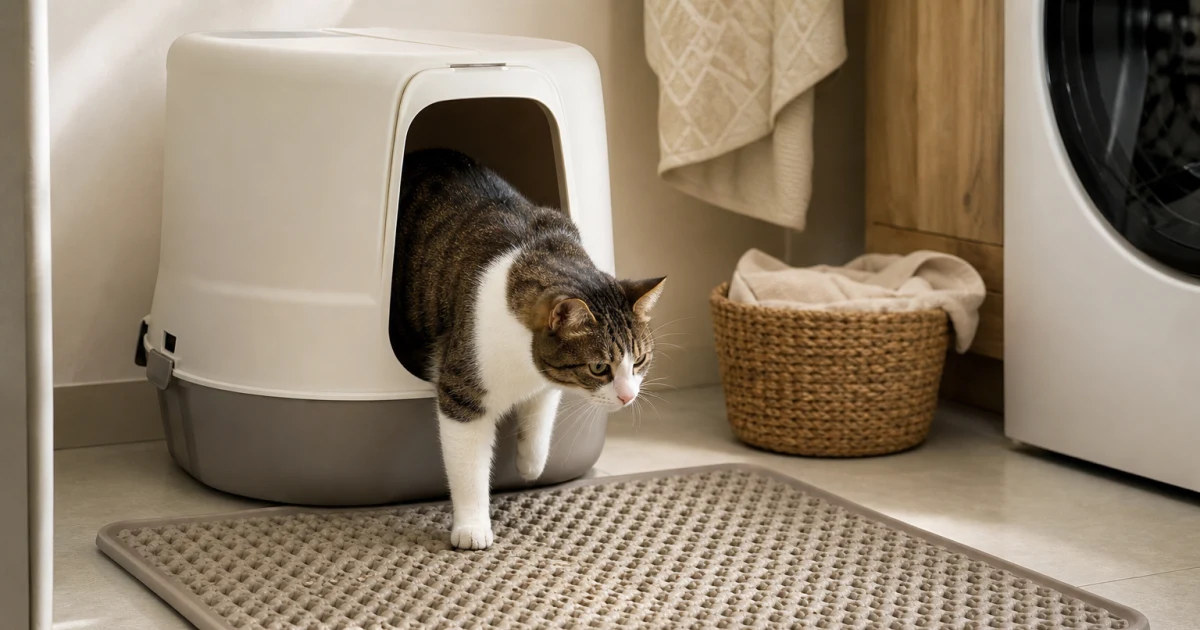
Cat Litter Mats: What Actually Matters Before You Buy?
The most useful cat litter mat is not necessarily the largest or most heavily textured. It is the one your cat walks across, catches the litter your cat carries out, stays flat, and can be emptied without becoming a second chore.
Play & Enrichment
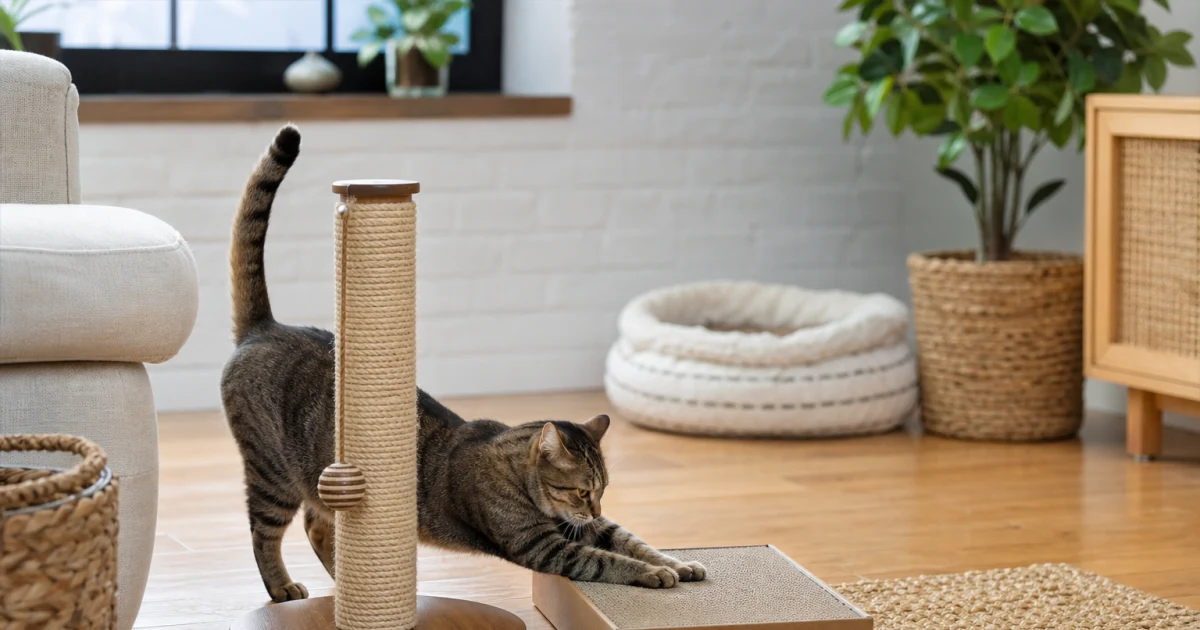
Scratching Post vs Scratching Pad: Which Fits Your Cat and Space?
A vertical scratching post suits cats that stretch upward, while a horizontal pad fits cats that rake rugs or other floor-level surfaces. The best choice depends on what your cat already scratches, how stable the product is, and where it will live.
Grooming
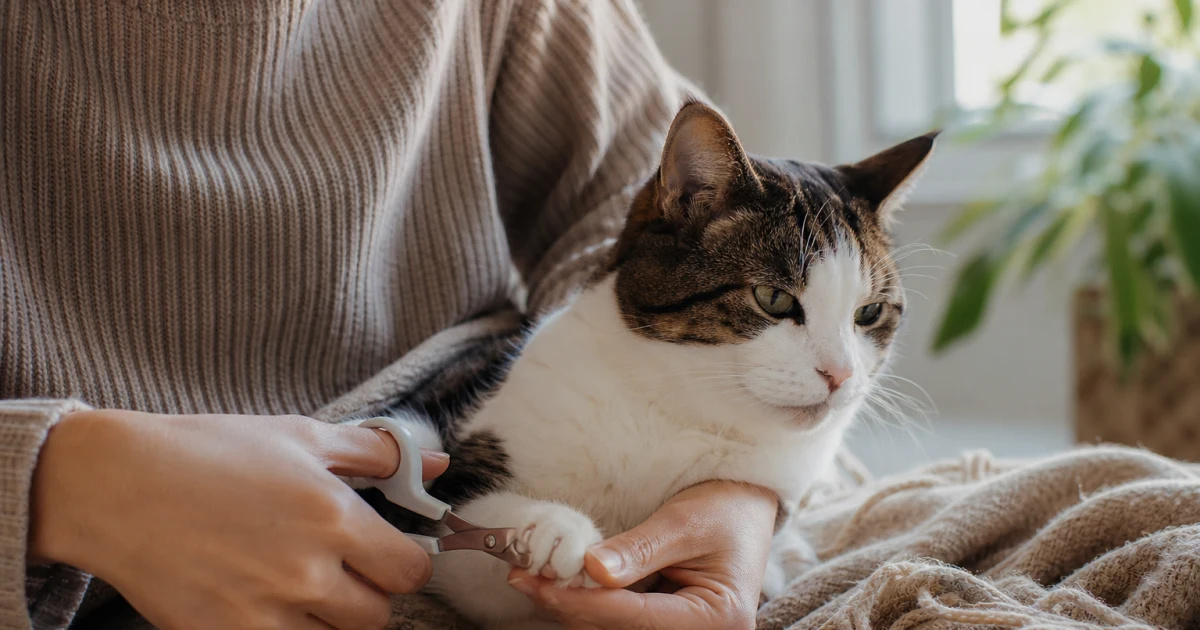
Scissor vs Guillotine Cat Nail Clippers: Which Is Easier to Use?
Scissor and guillotine cat nail clippers can both work well, but the easier choice depends on how clearly you need to see the nail, how steady your cat remains, and whether you are trimming dew claws.
Feeding & Hydration
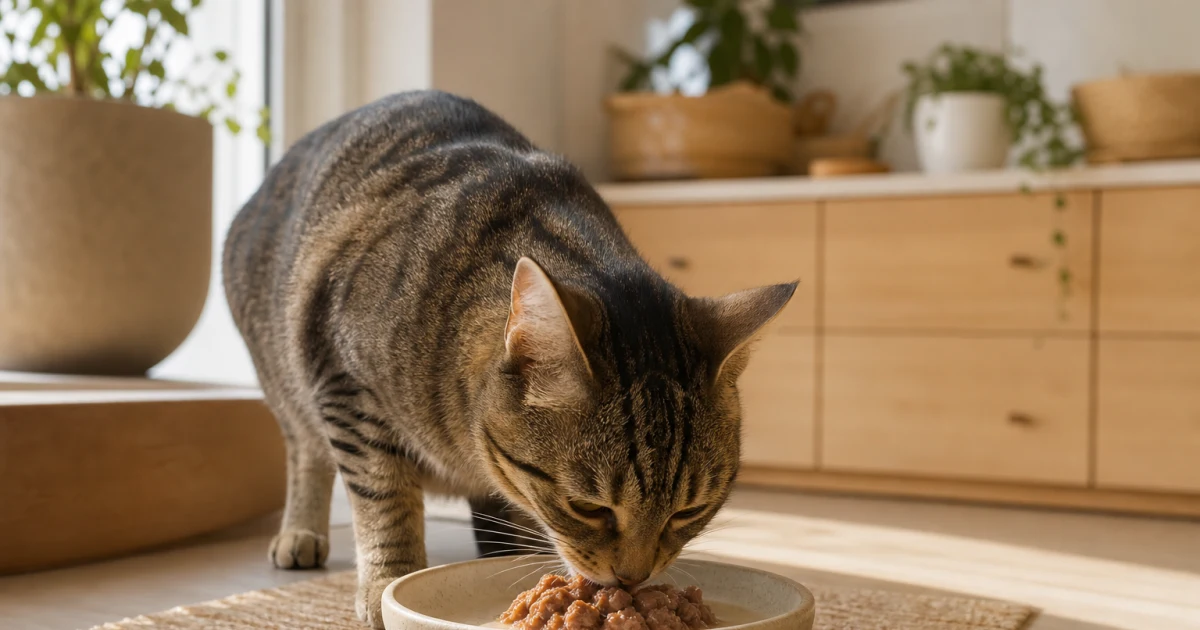
Shallow vs Deep Cat Bowl: Which Is Easier for Everyday Feeding?
For most cats, a wide, stable bowl that lets the face stay clear of the sides is the practical starting point. A shallow bowl is often easier for wet food and cats that paw food out, while a deeper bowl can help contain dry food and spills if it is still wide enough. Let your cat’s behavior, body shape and cleaning routine decide.
Feeding & Hydration
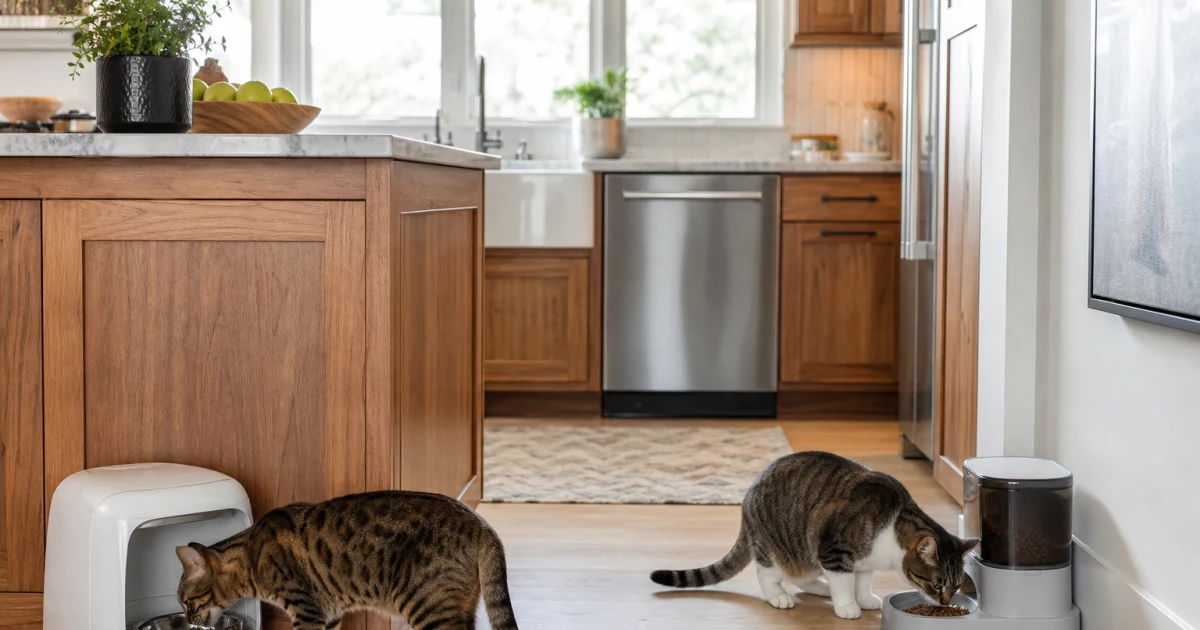
Timed vs Microchip Cat Feeder: Which Solves the Right Feeding Problem?
A timed feeder solves schedule and portion problems. A microchip feeder solves access problems. Choose based on whether your main concern is feeding food on time or stopping one cat from eating another cat’s meal.
Feeding & Hydration
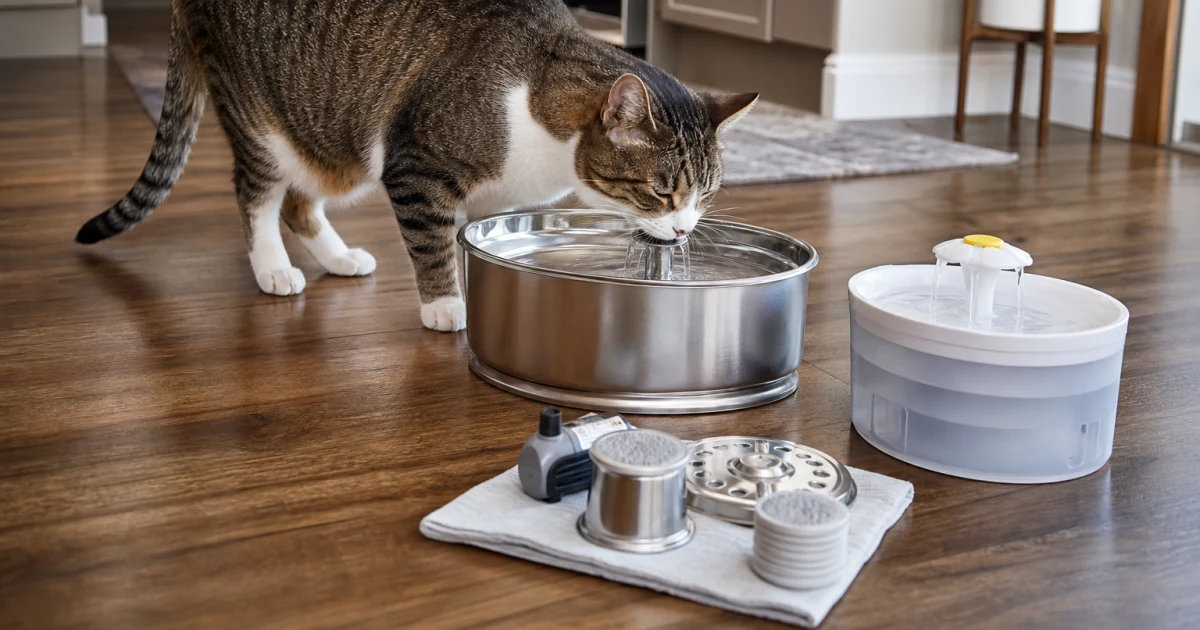
Stainless Steel vs Plastic Cat Water Fountain: Which Is Easier to Maintain?
Stainless steel usually makes the drinking surface easier to keep smooth and inspect, but material alone does not determine maintenance. A plastic fountain with fewer parts and better pump access can be easier to clean than a complicated stainless-topped model.
Travel
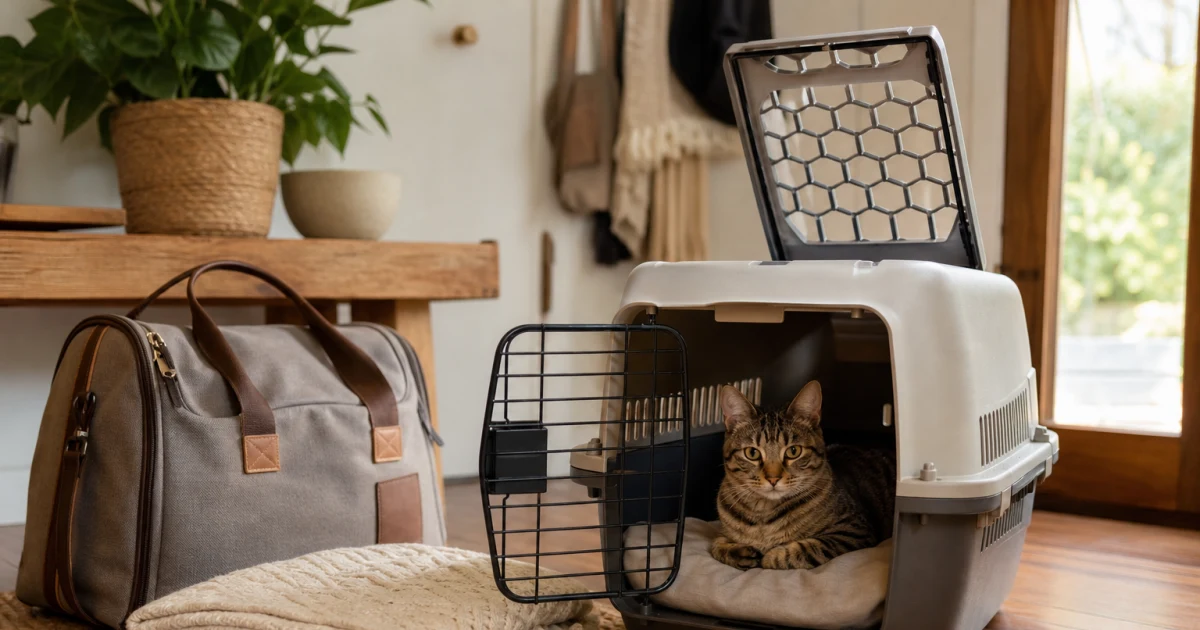
Top-Load vs Front-Load Cat Carrier: Which Is Easier for Trips?
Top-load carriers are usually easier when you must place or remove a reluctant cat. Front-load carriers are better for voluntary entry and familiar daily use. For most households, a secure carrier with both openings and a removable top offers the most flexibility.
Travel
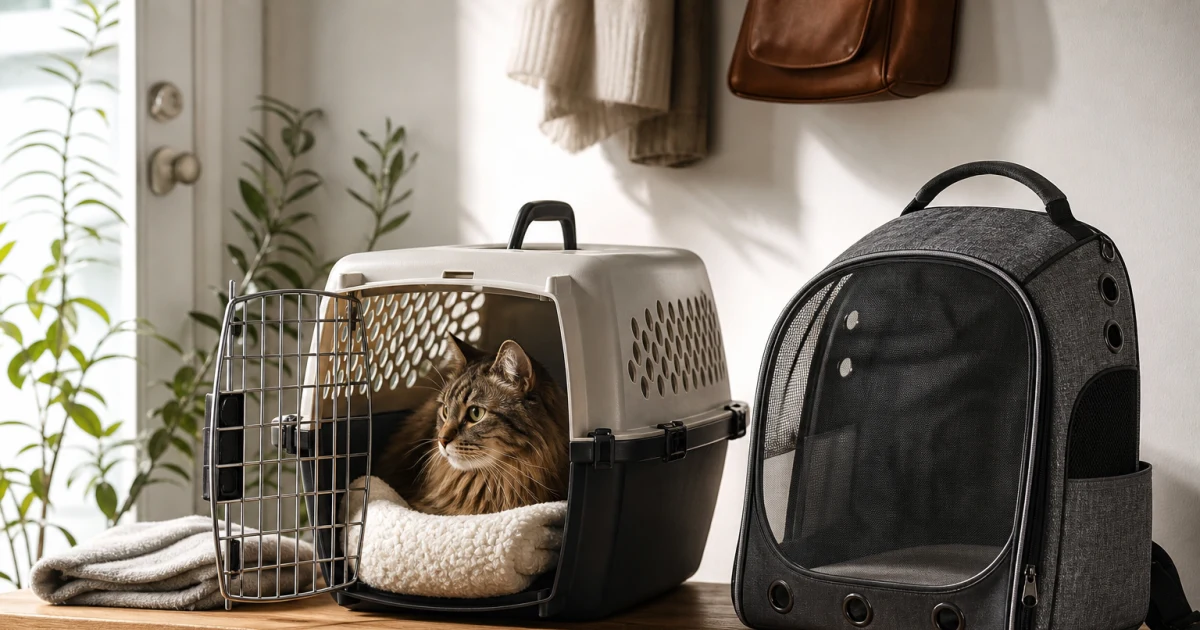
Cat Backpack vs Traditional Carrier: Which Fits Your Travel Routine?
A cat backpack can be easier for a person to carry, but a well-designed traditional carrier is usually the more versatile choice for veterinary visits and car travel. Compare space, stability, ventilation, cleaning, entry, and travel routine before deciding.
Litter & Cleanup
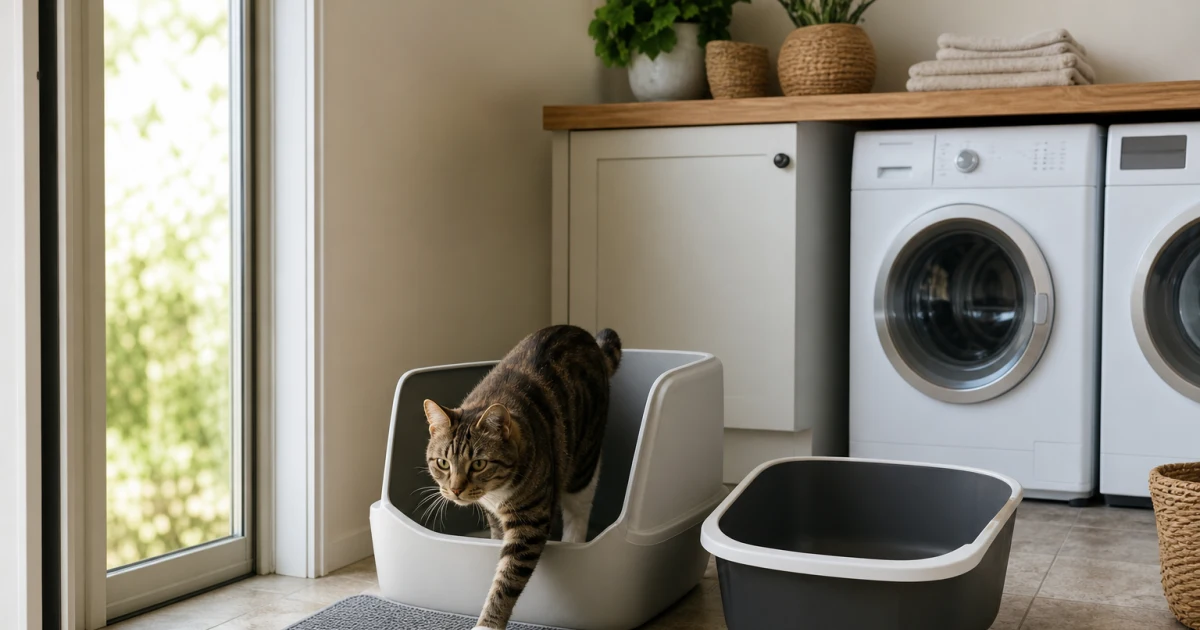
High-Sided vs Low-Sided Litter Box: Which Fits Your Cat and Home?
High-sided litter boxes contain scatter and urine better, but low-sided boxes are easier for kittens, senior cats, and cats with limited mobility. The best choice depends on entry height, wall height, box size, and your cat’s habits.
Litter & Cleanup
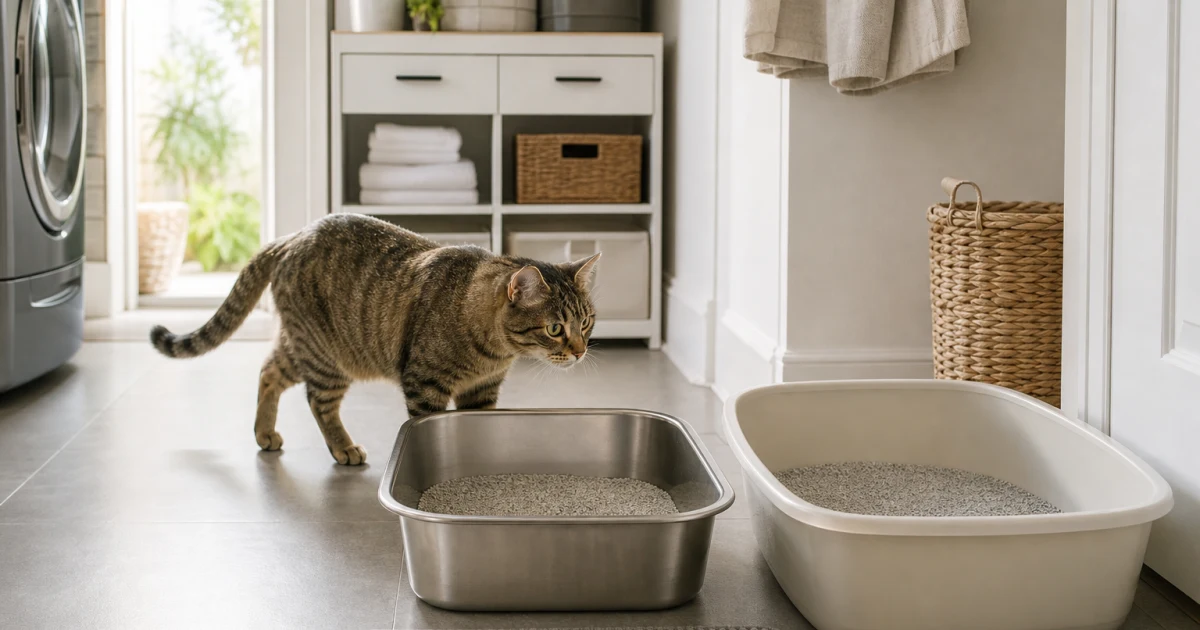
Stainless Steel vs Plastic Litter Box: Which Is Easier to Live With?
Stainless steel can be easier to reset when an older plastic box holds odor, but plastic remains lighter, cheaper, quieter, and easier to replace. The best choice is the box your cat will use consistently and that you can keep clean.
Litter & Cleanup
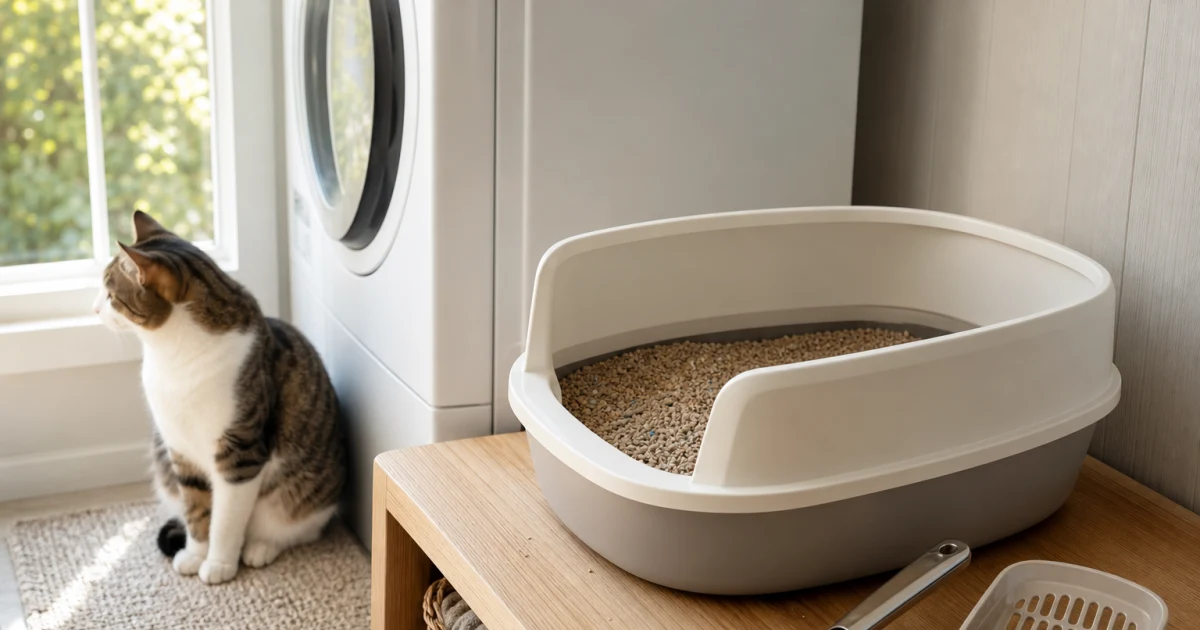
Metal vs Plastic Litter Scoop: Which Is More Practical?
Metal litter scoops usually offer more rigidity and easier long-term cleaning, while plastic scoops are lighter, quieter, and often gentler on plastic litter boxes. The best choice depends on your litter, box material, hand comfort, and cleaning routine.
Play & Enrichment
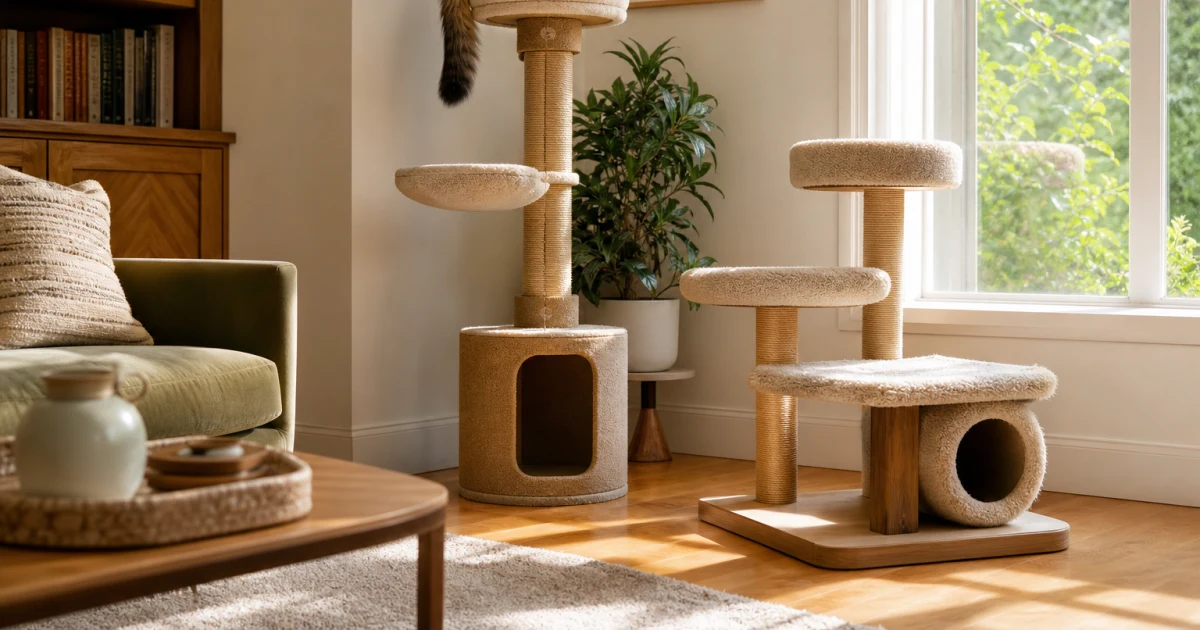
Tall vs Wide Cat Tree: Which Fits Your Cat and Room Better?
A tall cat tree usually suits homes short on floor space and cats that like to climb or survey the room. A wide cat tree is often easier for large, senior, cautious, or less agile cats because it offers broader platforms and shorter routes. Stability, platform fit, and placement matter more than maximum height alone.
Play & Enrichment
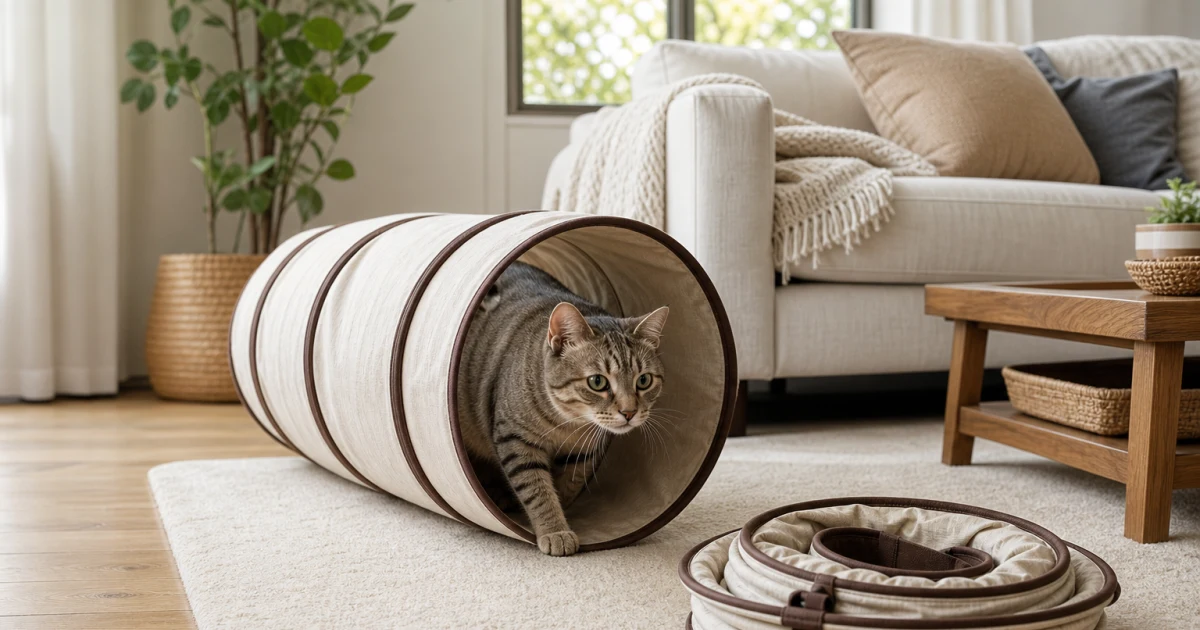
Fabric Cat Tunnel vs Collapsible Tunnel: What Actually Changes?
Fabric and collapsible cat tunnels are not always separate categories. Fabric describes the tunnel’s outer material, while collapsible usually describes its spring-wire frame or fold-flat design. The practical choice comes down to how much structure, storage convenience, washability, and daily use your cat needs.
Play & Enrichment
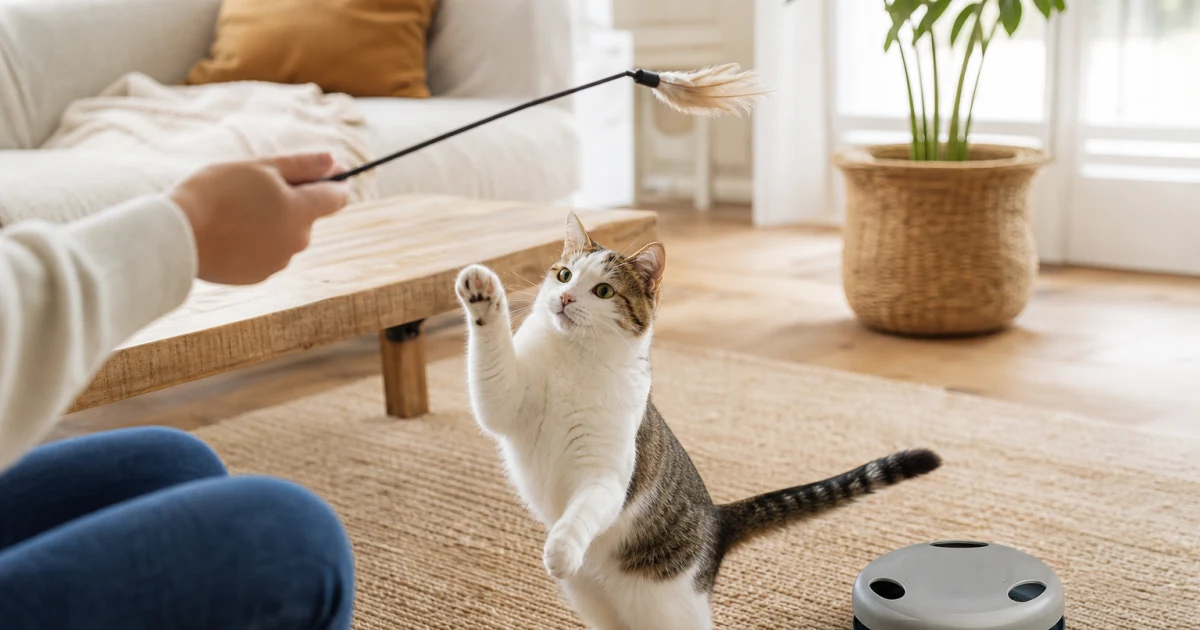
Wand Toy vs Automatic Cat Toy: Which Fits Interactive Play Better?
Wand toys usually offer the most responsive, human-led play, while automatic toys can add activity when you are busy or away. The better choice depends on whether your priority is shared interaction, independent stimulation, or a combination of both.
Grooming
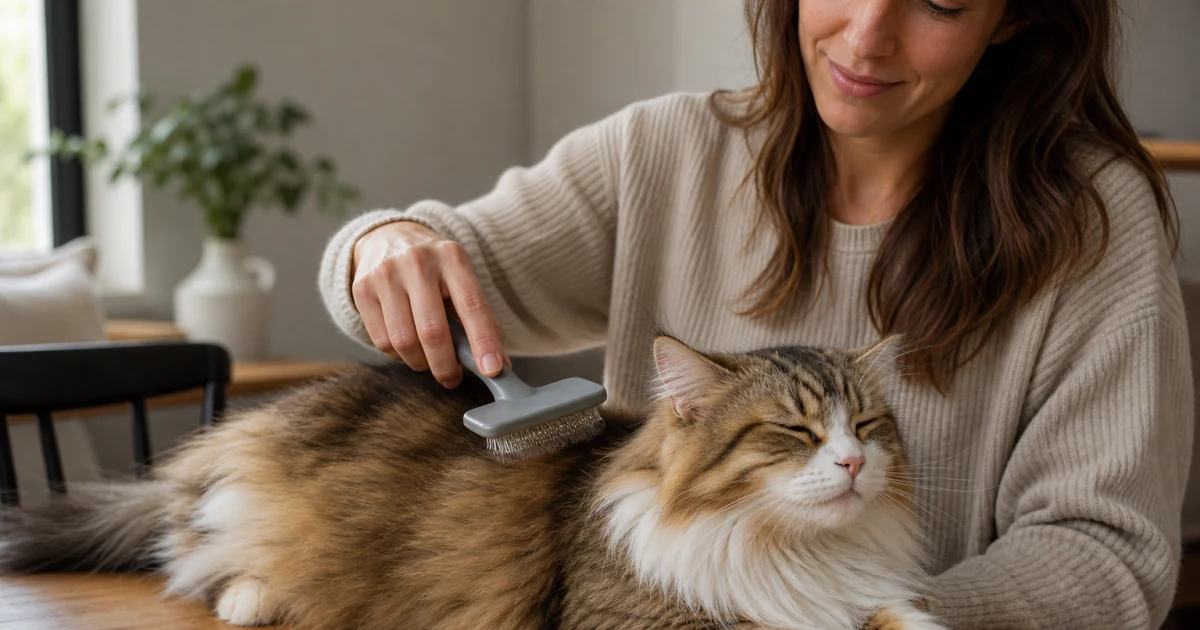
Slicker Brush vs Rubber Grooming Brush for Cats: Which Job Does Each Do?
A slicker brush and a rubber grooming brush do different jobs. Slickers reach deeper into medium and long coats to lift loose hair and smooth minor tangles, while rubber brushes offer a gentler, surface-level groom that many short-haired or brush-sensitive cats tolerate better.
Grooming
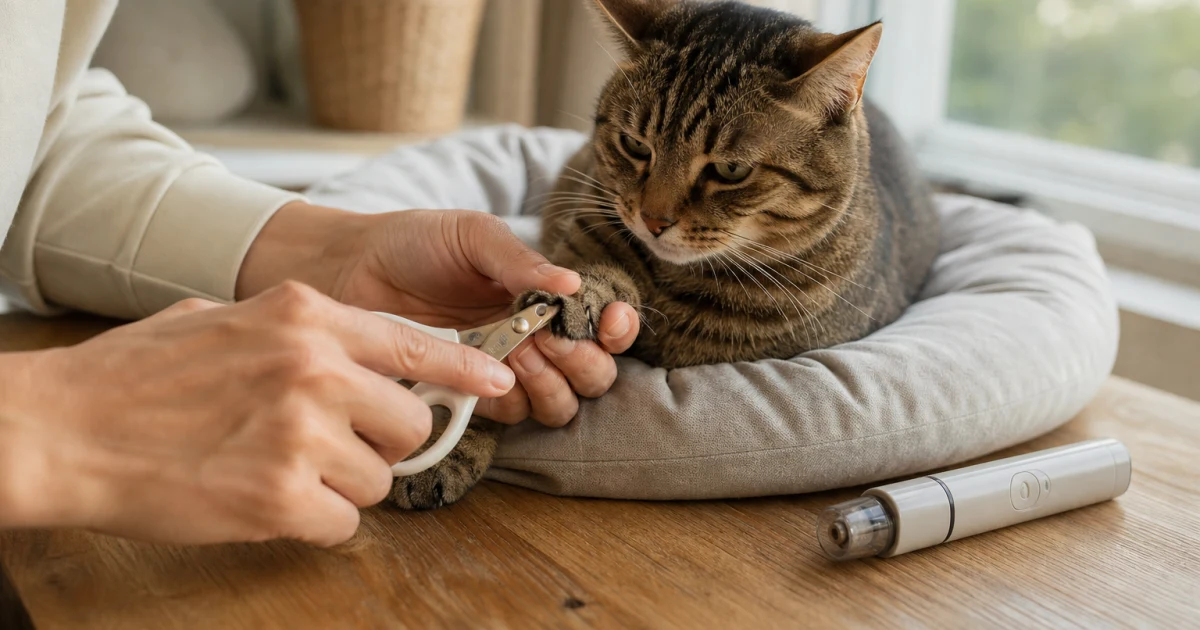
Cat Nail Grinder vs Clippers: Which Tool Is Easier to Control?
Cat nail clippers are usually easier for quick, quiet trims, while grinders offer more gradual control and a smoother edge. The better choice depends on your cat’s tolerance for sound, paw handling, and the tool’s learning curve.
Beds & Comfort
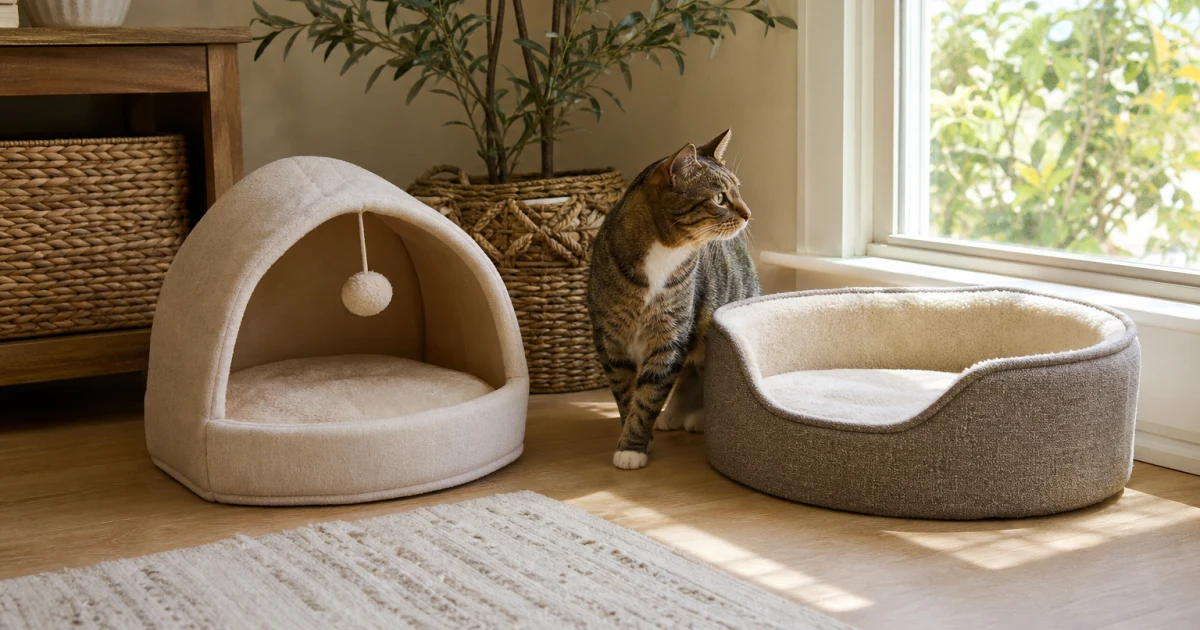
Cave Bed vs Open Cat Bed: Which Fits Your Cat’s Resting Style?
A cave bed suits cats that seek privacy, warmth, or a sheltered retreat. An open bed is usually better for cats that like to watch the room, stretch out, or need easier access. The best choice depends on where and how your cat already sleeps.
Home & Safety
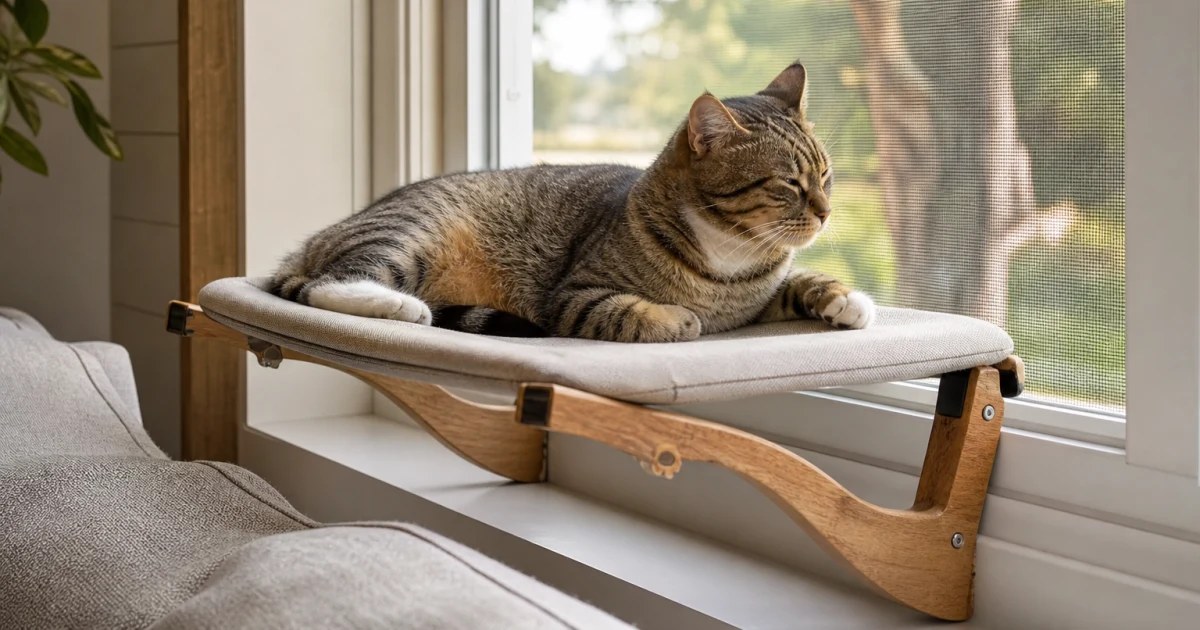
Suction-Cup vs Sill-Mounted Cat Window Perch: Which Is Easier to Trust?
Suction-cup perches are easier to install and remove, but they depend on clean, smooth glass and ongoing inspection. Sill-mounted models can feel more predictable when the sill and brackets fit correctly, but they need a suitable window ledge and may require adhesive or hardware. The easier perch to trust is the one that matches your window, cat, and willingness to perform regular checks.