Bowls, feeders, fountains & daily routines
Feeding & Hydration
Compare the products that shape everyday eating and drinking routines, with attention to cleaning, stability, fit, maintenance, and the animal using them.
What to check first
Start with the job, not the product.
Current shopping options
Amazon products for feeding & hydration
These live listings are a shopping shortcut, not a ranking. Use the research framework and guides on this page to decide which product type fits your pet and household before choosing a listing.
As an Amazon Associate I earn from qualifying purchases. Product availability, seller, price, and listing details can change.
Current research
Guides for this need
Dogs
Browse dogs →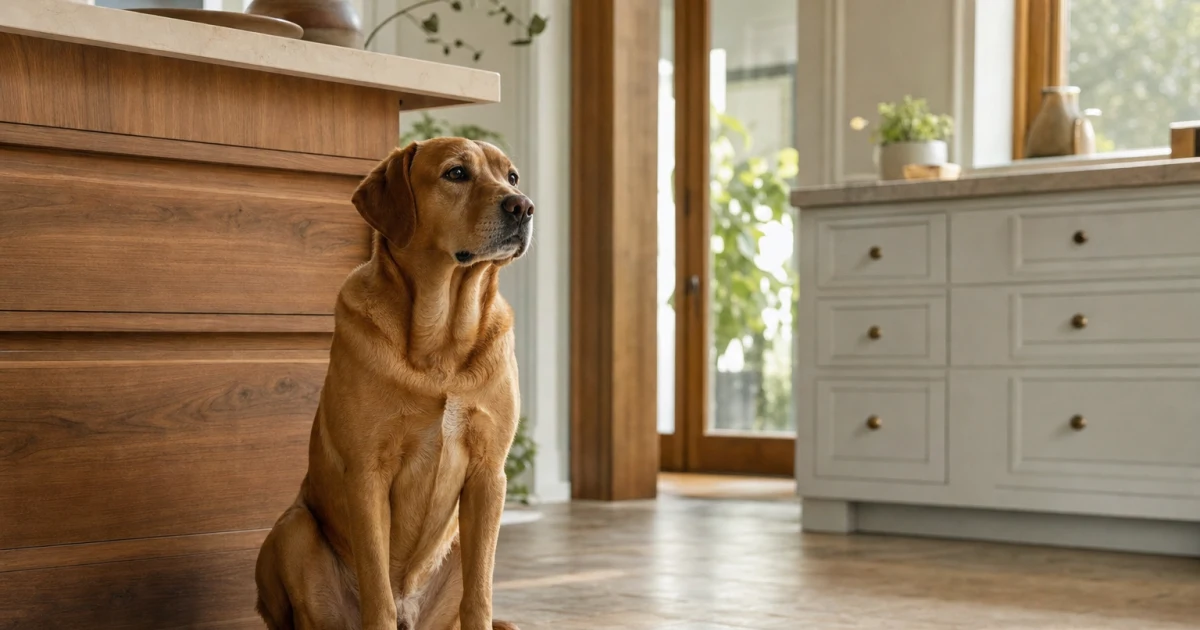
Dogs · Feeding
Stainless Steel vs Ceramic Dog Bowls: Which Fits Your Routine?
Stainless steel is usually the low-maintenance choice; ceramic can be quieter and heavier, but condition and glaze quality matter.
Read guide →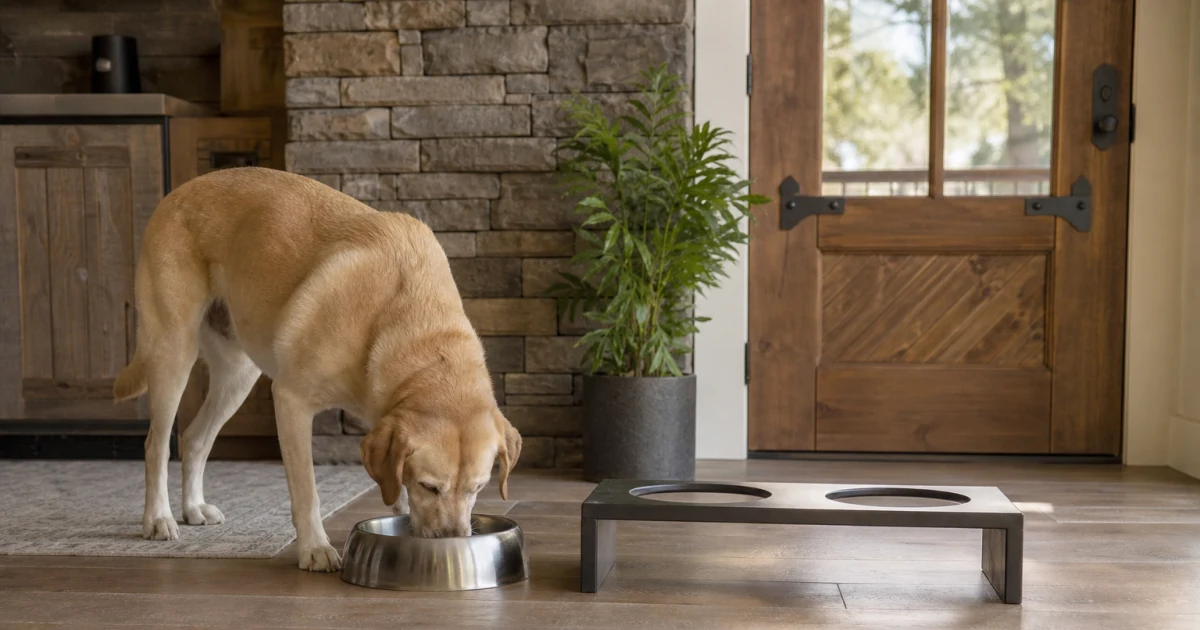
Dogs · Feeding
Raised vs Floor Dog Bowls: What Should You Consider Before Buying?
Raised bowls can make meals easier for some dogs with mobility or esophageal problems, but they are not a general bloat-prevention tool. For many healthy dogs, a stable floor bowl remains the simpler default.
Read guide →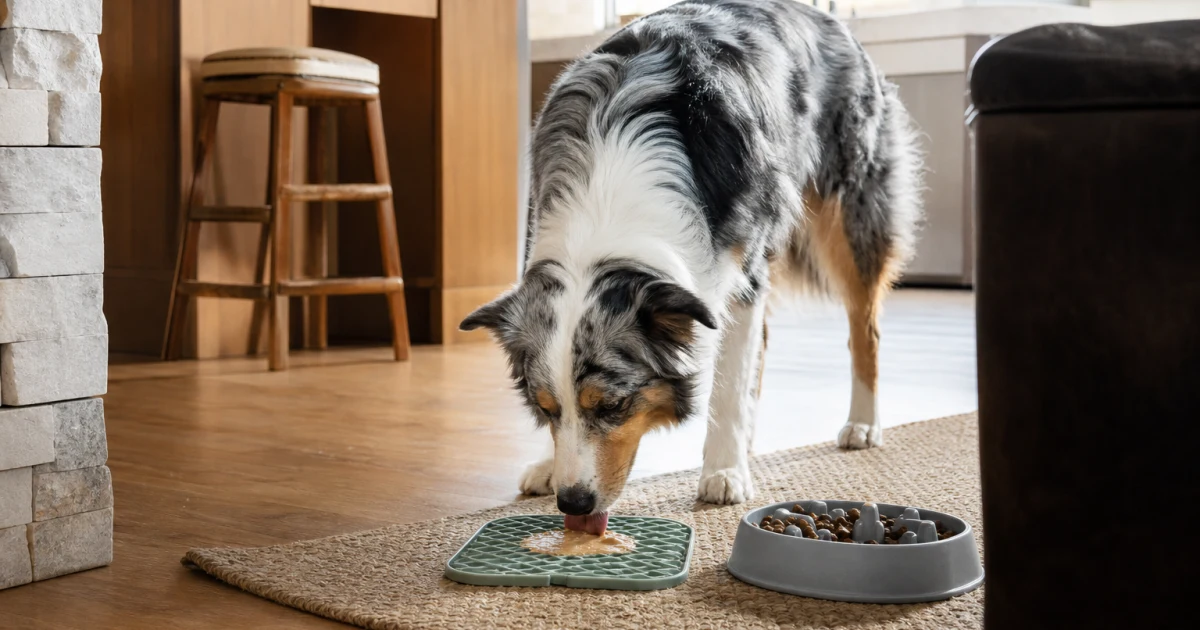
Dogs · Feeding
Slow Feeder Bowl vs Lick Mat: Which Better Fits the Job?
A slow feeder bowl is usually the better first choice for a dog that gulps regular meals. A lick mat is better for spreading soft food into a longer, lower-intensity licking activity, especially during grooming, crate time, or predictable household disruptions.
Read guide →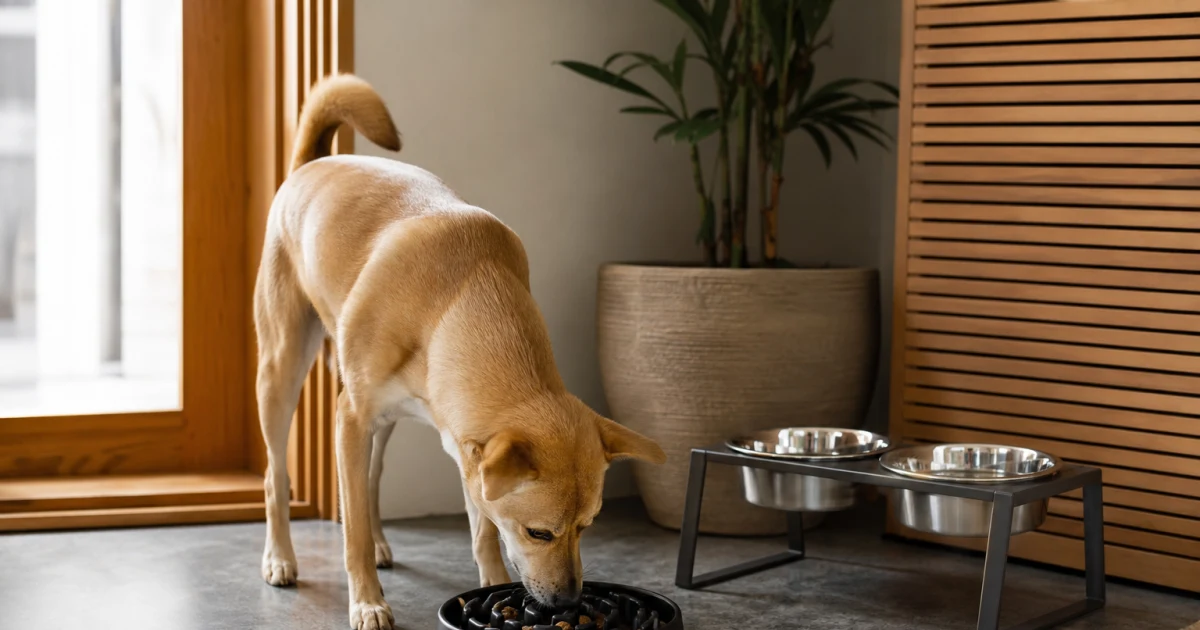
Dogs · Feeding
Raised Feeder vs Slow Feeder for Dogs: Which Problem Does Each Solve?
A raised feeder changes how far your dog bends to eat. A slow feeder changes how quickly your dog can eat. Choosing between them depends on whether the problem is posture, rapid gulping, or a veterinarian-diagnosed condition.
Read guide →
Dogs · Feeding
Stainless Steel vs Silicone Dog Bowls: Which Is Easier for Daily Use?
Stainless steel is usually the easier everyday dog bowl, while silicone earns its place as a lightweight, quiet, packable option. The best choice depends on whether your priority is home durability or travel convenience.
Read guide →Cats
Browse cats →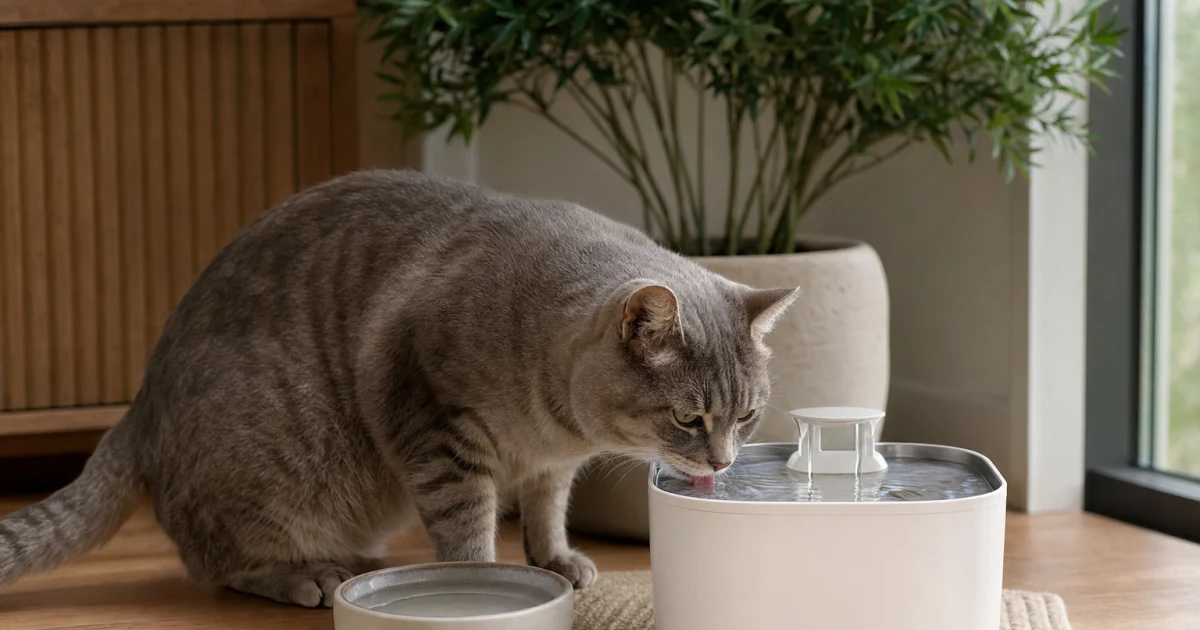
Cats · Feeding & Hydration
Cat Water Fountain vs Bowl: Which Is Easier to Live With?
Some cats enjoy moving water, but a fountain is not automatically better. Cleanliness, placement, bowl shape, and your cat’s preference matter.
Read guide →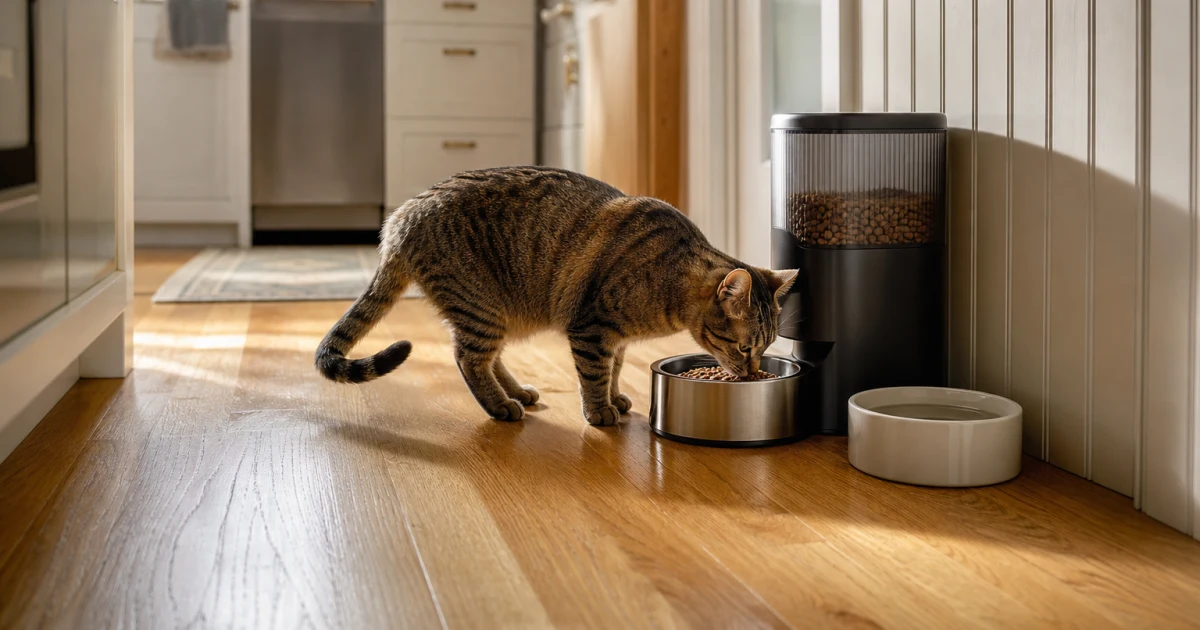
Cats · Feeding & Hydration
Automatic Feeder vs Regular Bowl for Cats: Which Fits Your Routine?
An automatic feeder is useful when meals must happen on schedule or portions need tighter control. A regular bowl is simpler, more flexible for wet food, and easier to monitor by hand. The right choice depends on your cat’s diet, appetite, household schedule, and need for access control.
Read guide →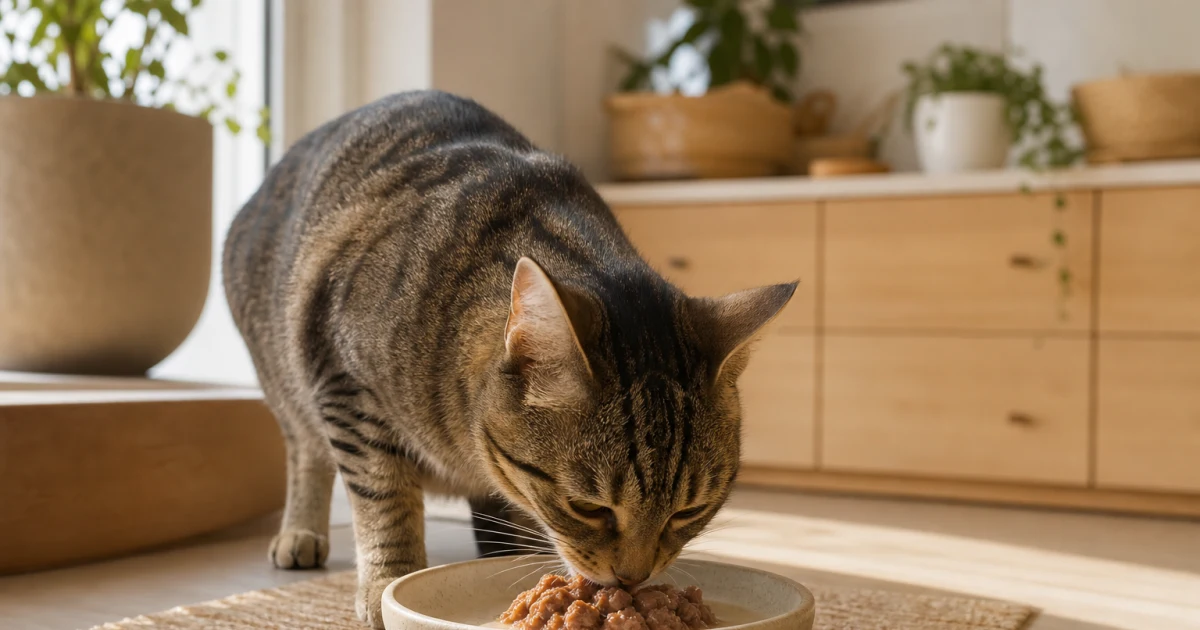
Cats · Feeding & Hydration
Shallow vs Deep Cat Bowl: Which Is Easier for Everyday Feeding?
For most cats, a wide, stable bowl that lets the face stay clear of the sides is the practical starting point. A shallow bowl is often easier for wet food and cats that paw food out, while a deeper bowl can help contain dry food and spills if it is still wide enough. Let your cat’s behavior, body shape and cleaning routine decide.
Read guide →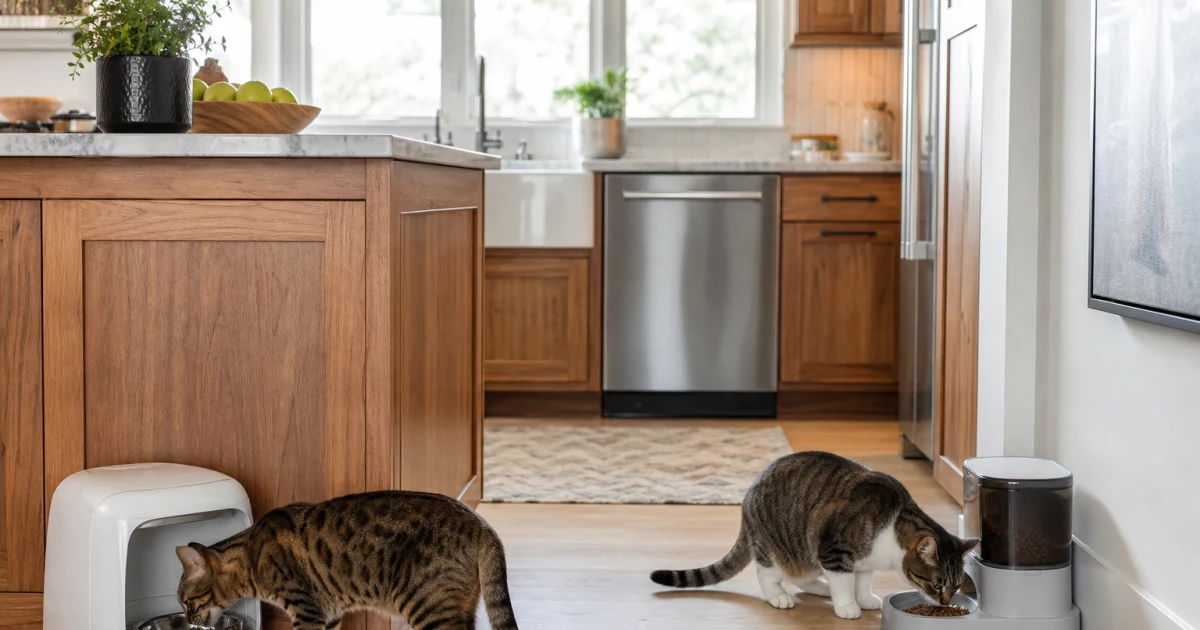
Cats · Feeding & Hydration
Timed vs Microchip Cat Feeder: Which Solves the Right Feeding Problem?
A timed feeder solves schedule and portion problems. A microchip feeder solves access problems. Choose based on whether your main concern is feeding food on time or stopping one cat from eating another cat’s meal.
Read guide →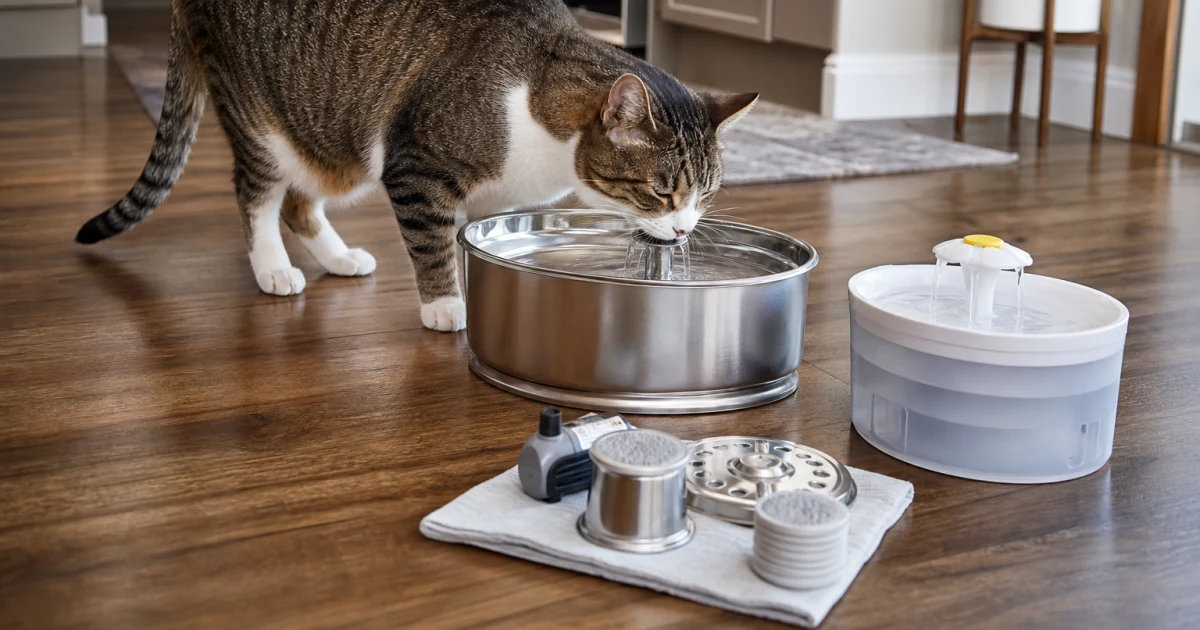
Cats · Feeding & Hydration
Stainless Steel vs Plastic Cat Water Fountain: Which Is Easier to Maintain?
Stainless steel usually makes the drinking surface easier to keep smooth and inspect, but material alone does not determine maintenance. A plastic fountain with fewer parts and better pump access can be easier to clean than a complicated stainless-topped model.
Read guide →Other Pets
Browse other pets →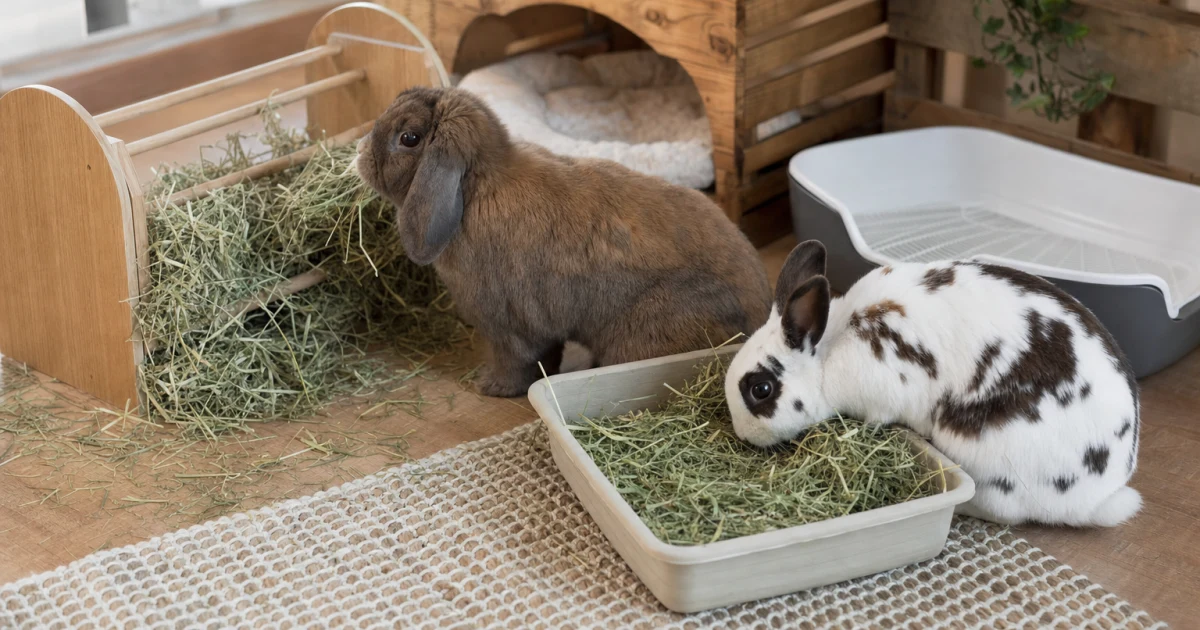
Other Pets · Feeding
Hay Feeder vs Loose Hay for Rabbits: Which Setup Is Easier to Manage?
A hay feeder can reduce mess, but loose hay is often easier for rabbits to reach and forage through. For many homes, the most manageable setup combines a stable feeder with a small, fresh loose-hay station.
Read guide →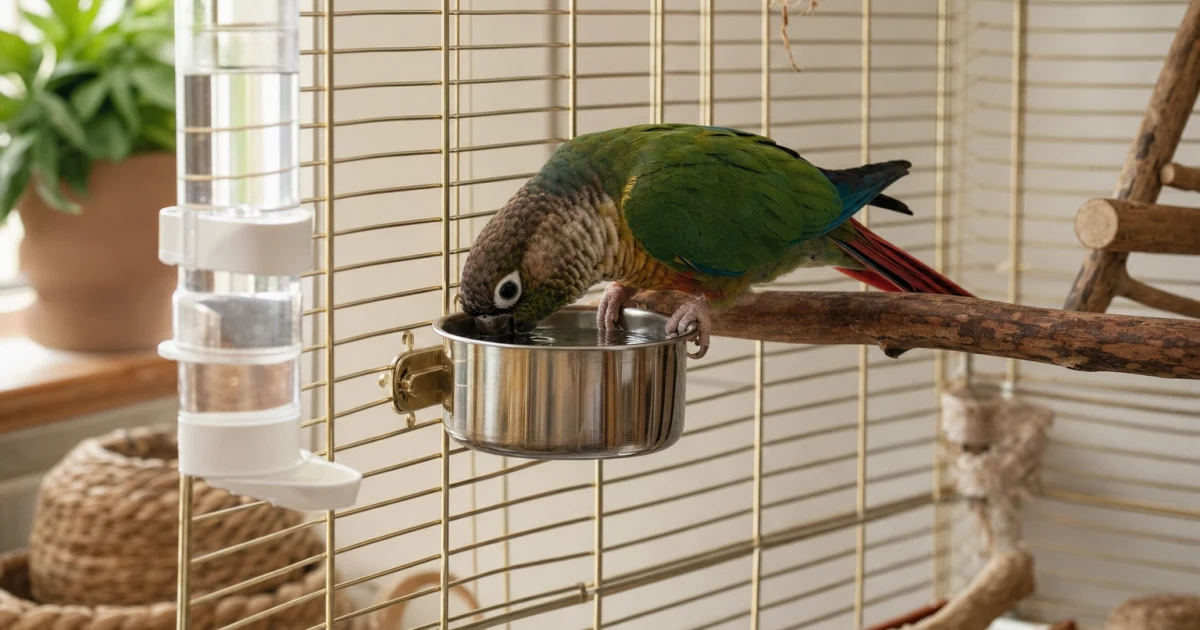
Other Pets · Feeding & Hydration
Bird Water Bowl vs Bottle: What Should You Consider?
A bird water bowl is usually the simplest starting point, but a properly maintained bottle can keep water cleaner for birds that dunk food or soil open dishes. The better choice depends on whether your bird recognizes the water source, how reliably the product works, and how closely you can monitor and clean it.
Read guide →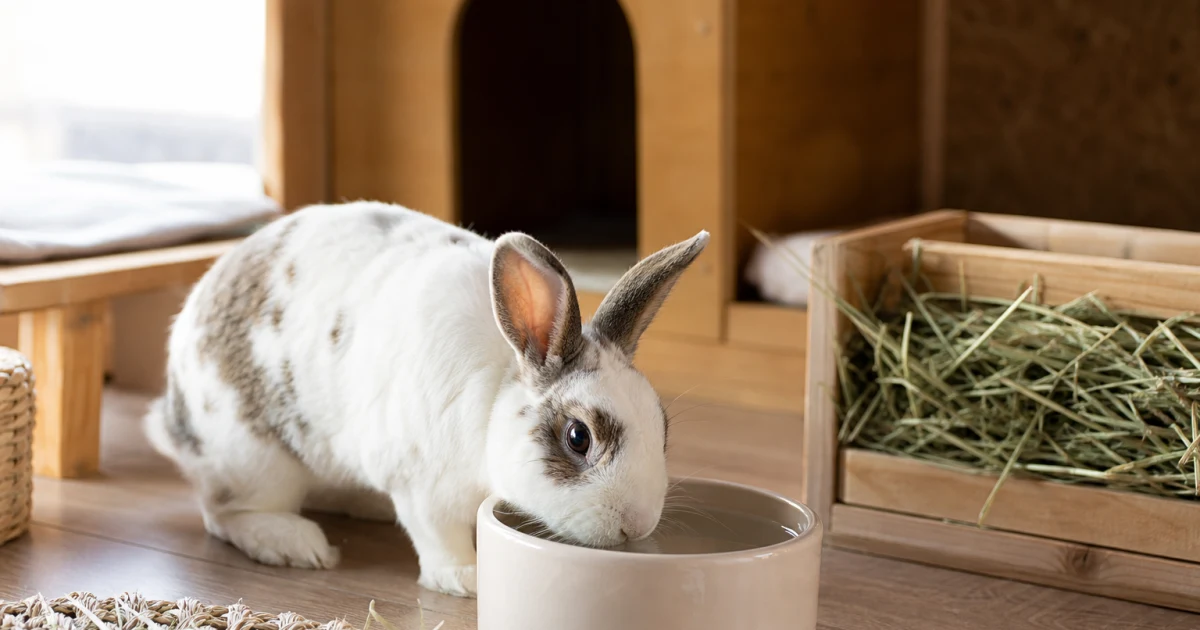
Other Pets · Feeding & Hydration
Water Bowl vs Bottle for Rabbits: Which Setup Is Easier to Monitor?
For many rabbits, a heavy water bowl is easier to drink from and may encourage greater water intake. A bottle can be cleaner in messy enclosures or useful for rabbits that develop wet chins. The easiest setup to monitor is usually the one your rabbit reliably uses, checked at least twice daily, with a backup during transitions.
Read guide →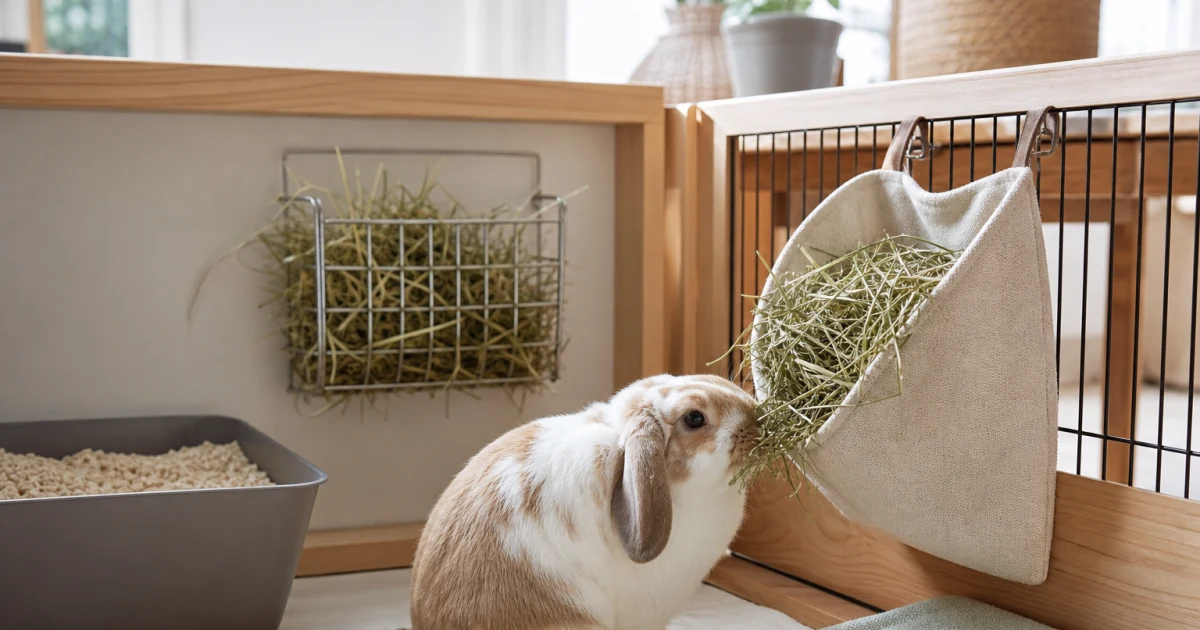
Other Pets · Feeding
Fabric Hay Bag vs Metal Hay Rack for Rabbits: Which Is Easier to Manage?
A fabric hay bag is often easier to remove and wash, while a metal hay rack is usually easier to inspect and less vulnerable to chewing. The better choice depends on your rabbit’s habits, enclosure, and cleaning routine.
Read guide →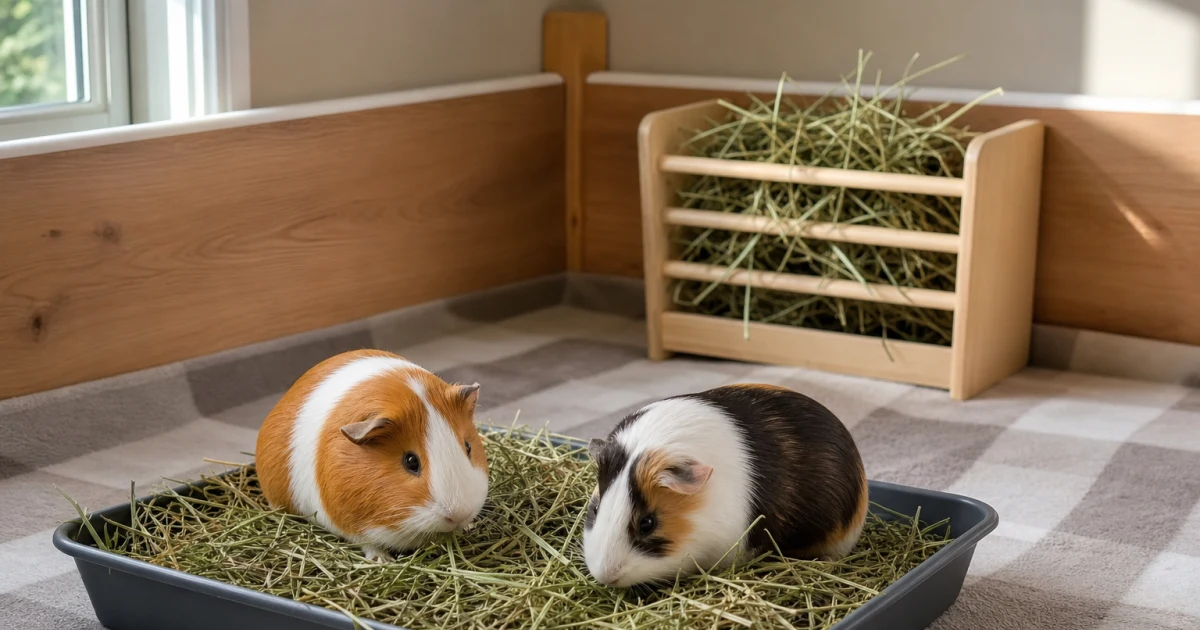
Other Pets · Feeding
Hay Rack vs Loose Hay for Guinea Pigs: Which Is Easier to Maintain?
Loose hay is usually the simpler and more natural default for guinea pigs, but a carefully designed open holder can help some households manage soiling and cleanup. The safest choice depends on access, construction, and how closely you monitor the enclosure.
Read guide →