Rest, support, temperature & calm spaces
Beds & Comfort
Evaluate comfort products by body support, washability, temperature, durability, and whether the animal actually uses the space.
What to check first
Start with the job, not the product.
Current shopping options
Amazon products for beds & comfort
These live listings are a shopping shortcut, not a ranking. Use the research framework and guides on this page to decide which product type fits your pet and household before choosing a listing.
As an Amazon Associate I earn from qualifying purchases. Product availability, seller, price, and listing details can change.
Current research
Guides for this need
Dogs
Browse dogs →
Dogs · Beds & Comfort
Foam vs Polyfill Dog Beds: Which Fits Your Dog and Household?
Foam and polyfill dog beds solve different problems. Foam is usually the stronger choice for dogs needing stable joint support, while polyfill suits dogs that prefer a soft, nest-like bed and households that prioritize easy washing and lower replacement cost.
Read guide →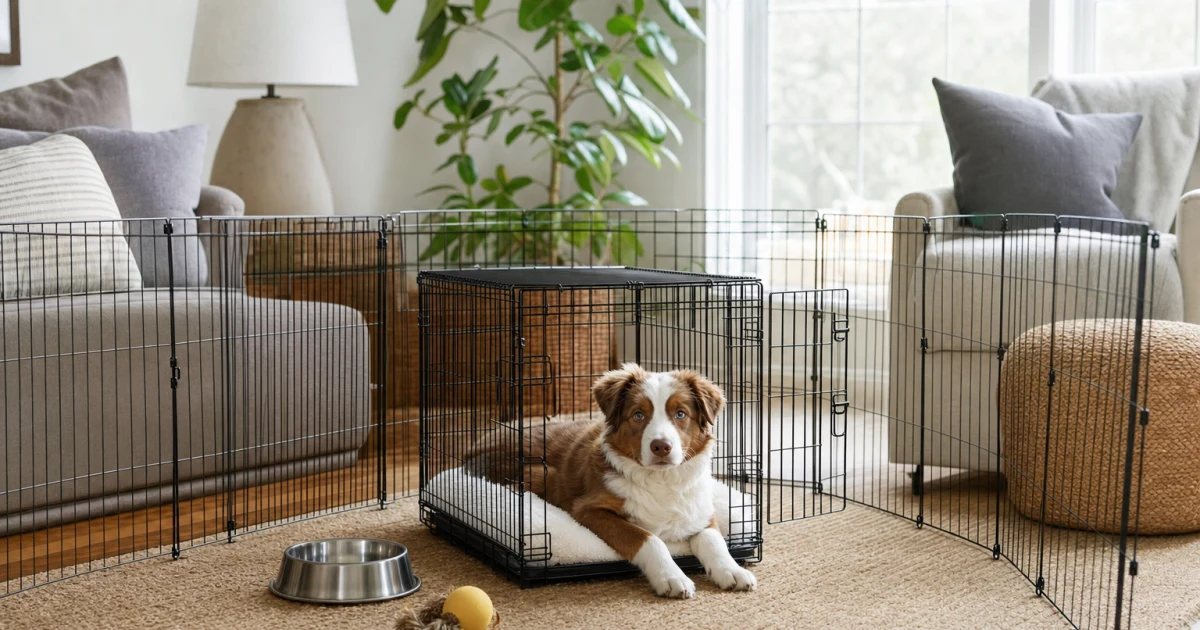
Dogs · Home & Comfort
Dog Crate vs Playpen: Which Setup Fits Your Home and Routine?
A crate offers tighter containment and supports sleep, travel, and focused house-training. A playpen gives a dog more room to move, play, and settle, but it needs more space and may be easier for an active or determined dog to escape. Many homes benefit from using both.
Read guide →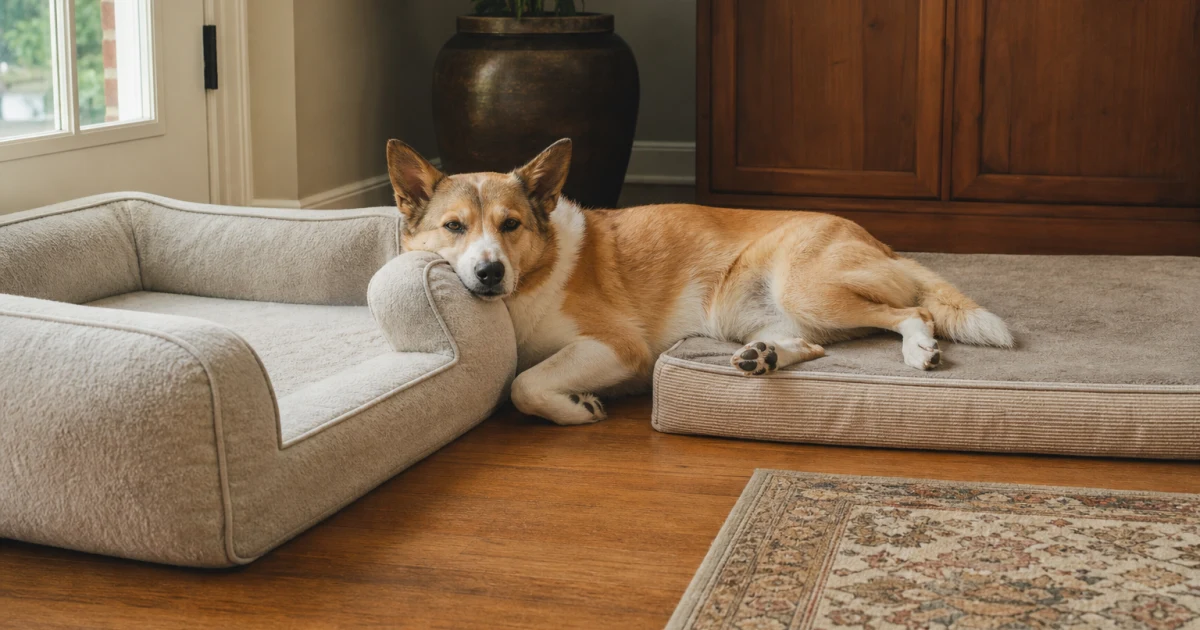
Dogs · Beds & Comfort
Bolster vs Flat Dog Bed: Which Fits Your Dog’s Resting Style?
Bolster beds suit dogs that curl, lean, nest, or rest their head on an edge. Flat beds give sprawlers, warm sleepers, and dogs with limited mobility more open space and easier access. The best choice depends on how your dog actually rests—not which shape looks coziest in a product photo.
Read guide →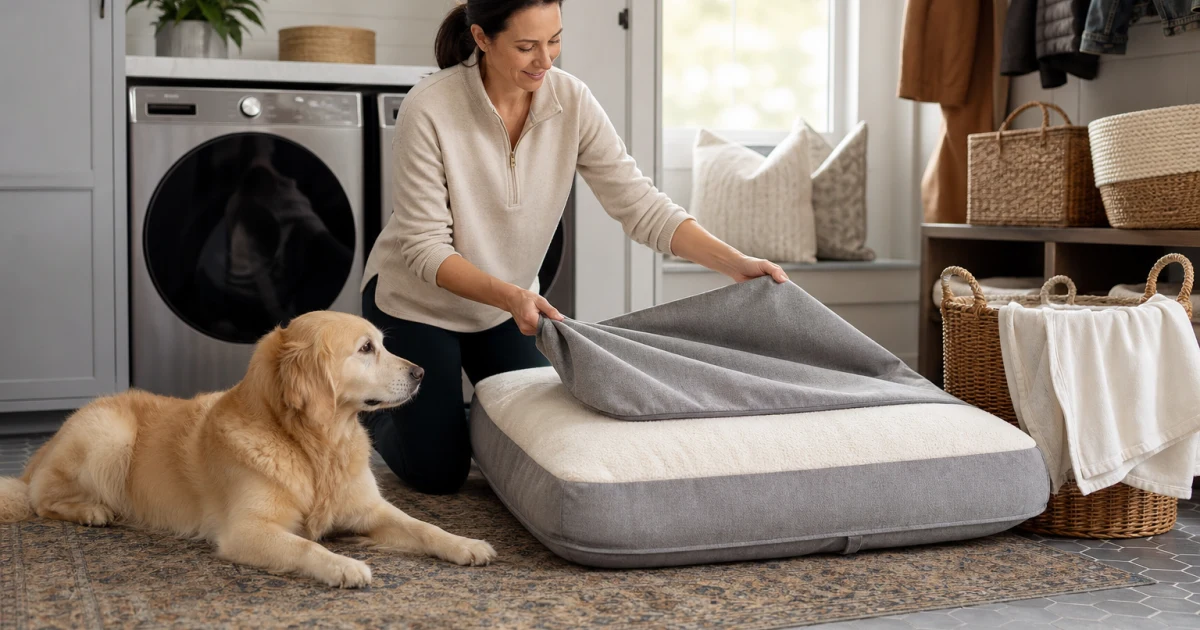
Dogs · Beds & Comfort
Removable-Cover vs One-Piece Dog Bed: Which Is Easier to Keep Clean?
A removable cover usually makes large, supportive dog beds easier to maintain, while a genuinely whole-bed washable design can be simpler for small pads, outdoor use, or frequent accidents. The better choice depends on what gets dirty, what your washer can handle, and how quickly the bed must be ready again.
Read guide →Cats
Browse cats →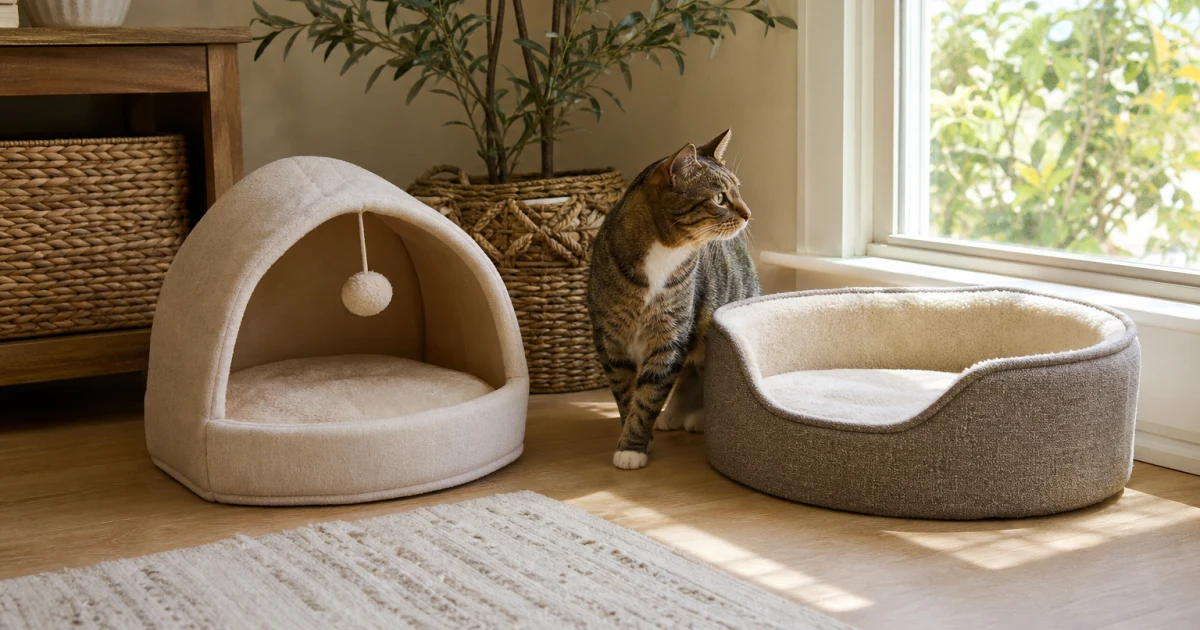
Other Pets
Browse other pets →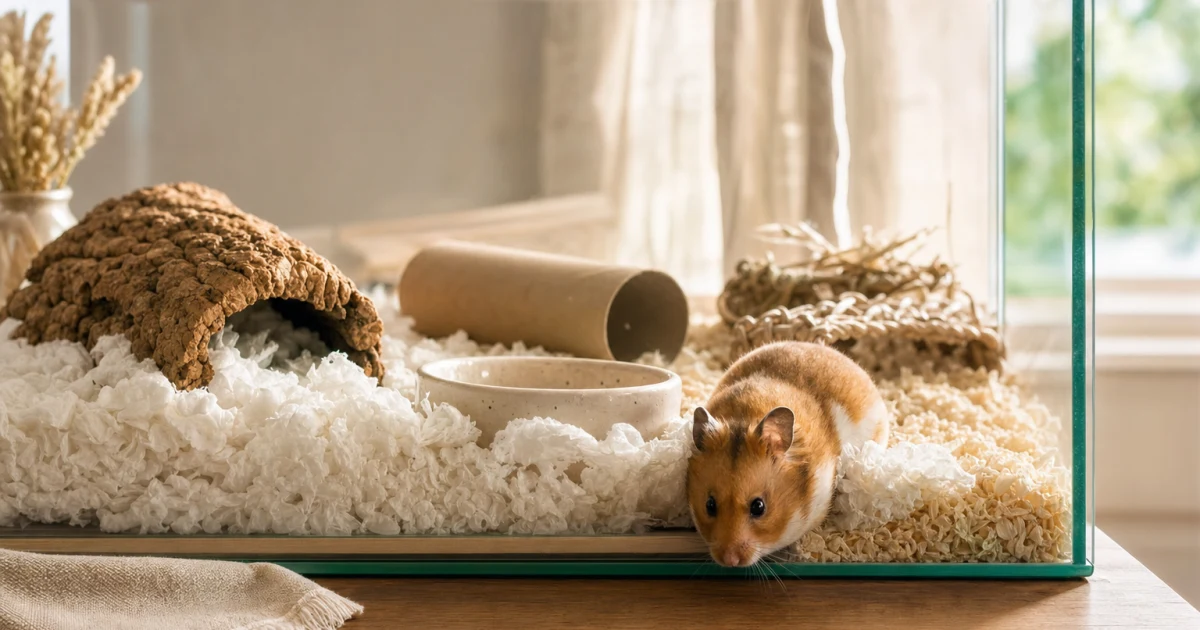
Other Pets · Beds & Comfort
Paper vs Aspen Bedding for Small Pets: Which Trade-Offs Matter?
Paper is often the more forgiving default, while low-dust aspen can offer useful structure and a natural wood texture. The better choice depends on species, respiratory sensitivity, burrowing needs, enclosure ventilation, and how reliably the bedding stays dry and clean.
Read guide →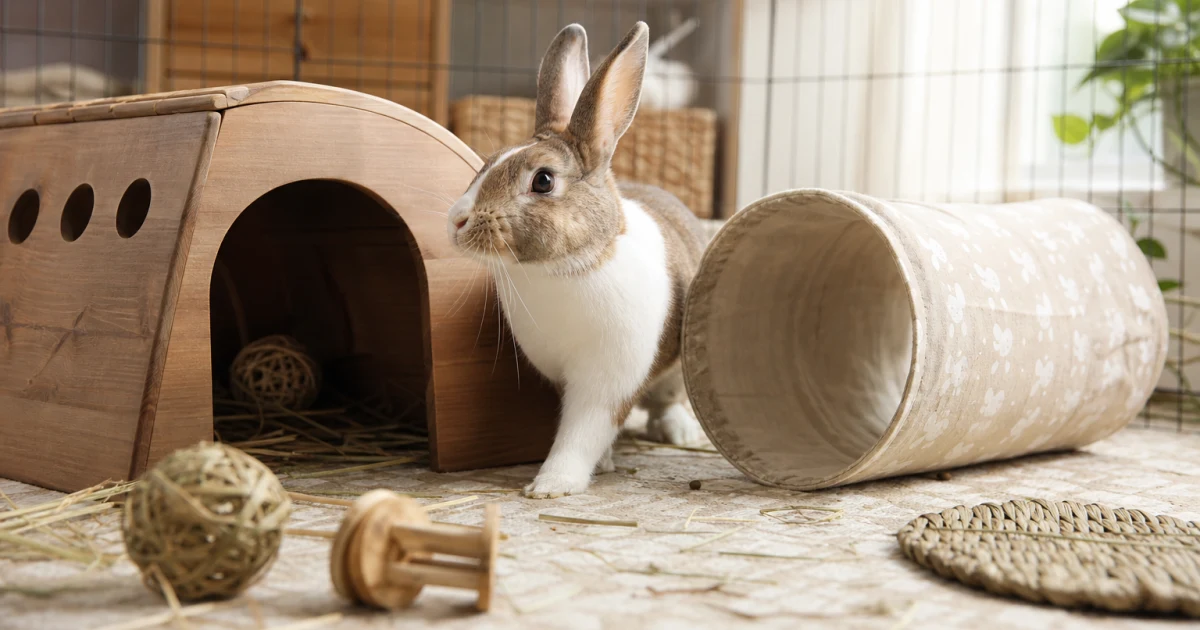
Other Pets · Beds & Comfort
Wood vs Fabric Hideout for Rabbits: Which Fits Daily Use Better?
Wooden hideouts usually work better as a durable daily shelter, while fabric tunnels can add flexible enrichment when your rabbit does not chew or ingest the material. The best choice depends on chewing habits, cleaning needs, ventilation, rabbit size, and whether the hideout has more than one exit.
Read guide →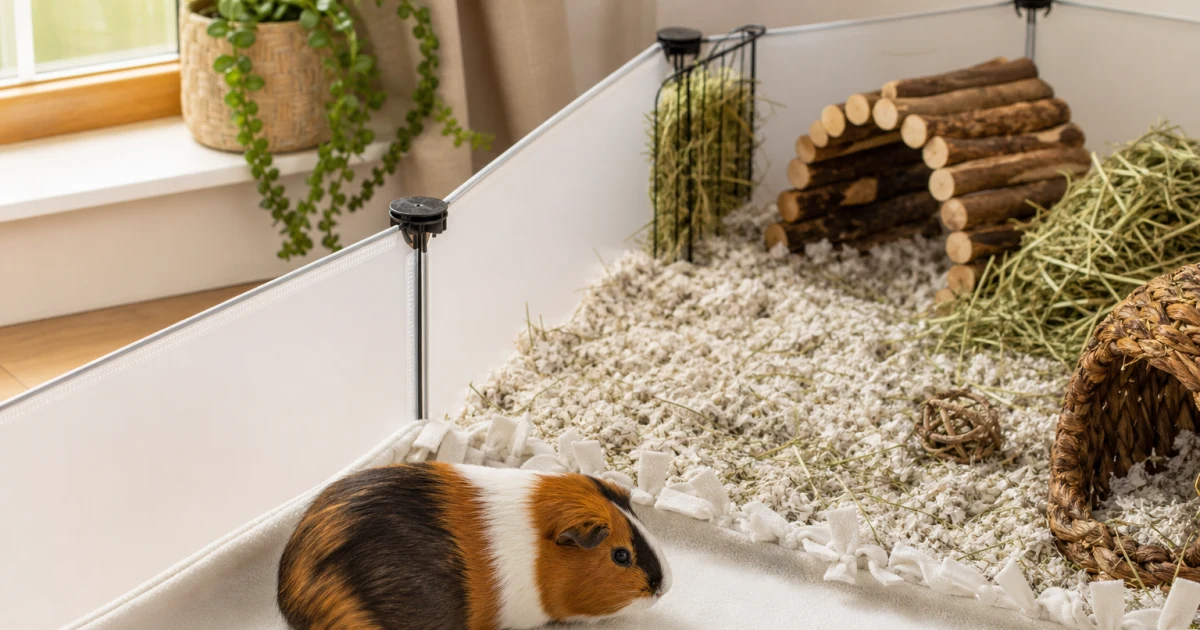
Other Pets · Beds & Comfort
Fleece vs Paper Bedding for Guinea Pigs: Which Trade-Offs Matter?
Fleece and paper can both work for guinea pigs, but they shift the daily workload in different directions. Paper is simpler to replace; fleece can reduce disposable waste but requires a properly absorbent layer, laundry, and careful monitoring for dampness or chewing.
Read guide →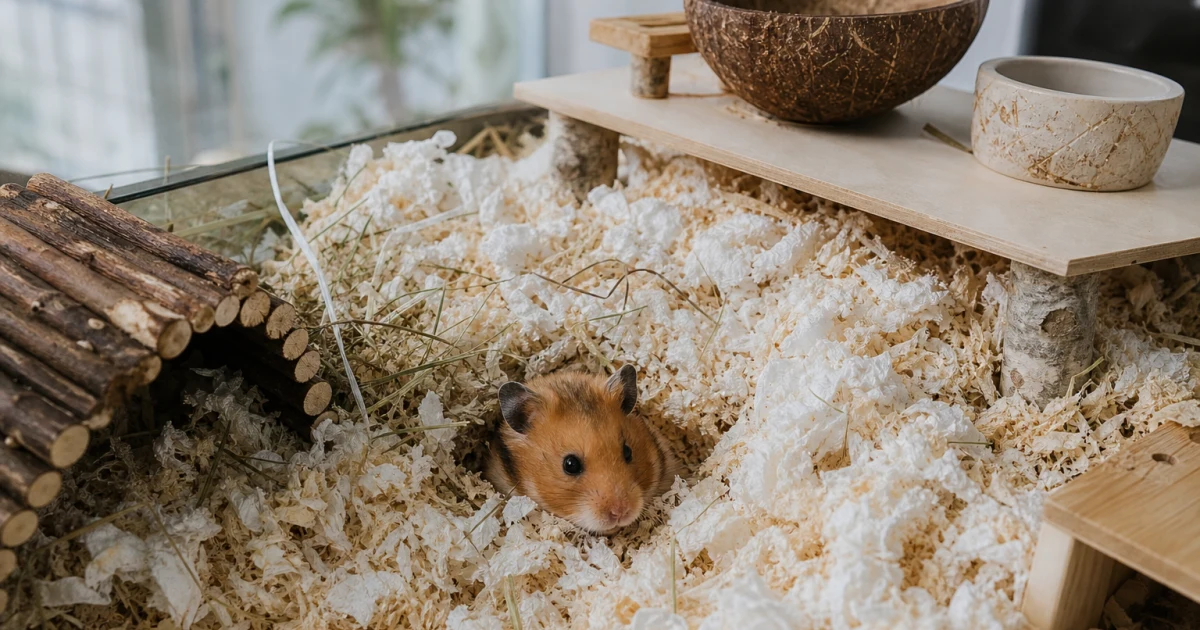
Other Pets · Beds & Comfort
Paper vs Aspen Bedding for Hamsters: Which Fits Your Setup?
Paper bedding is usually the easier starting point for deep hamster burrows, while aspen can add structure, absorbency, and a different texture. The best choice depends on your enclosure, cleaning routine, and how your hamster responds to the material.
Read guide →